
Updated April 2026
You spend 90% of your time indoors. The air inside your home or office can be 2 to 5 times more polluted than the air outside, and in Charleston’s Lowcountry, where coastal humidity, storm season, and aging housing stock create year-round air quality challenges, that number is not a national average. It is a daily reality.
This guide covers everything you need to know about indoor air quality: what it is, what threatens it in South Carolina homes, how to test and monitor it, and what steps, from practical home maintenance to professional remediation, genuinely improve it.
What Is Indoor Air Quality?
Indoor air quality (IAQ) refers to the condition of the air inside and around buildings as it affects the health and comfort of the people who occupy them. It is determined by four primary factors: the concentration of pollutants present, the level of indoor humidity, the rate of ventilation bringing in fresh air, and the presence of biological contaminants such as mold, bacteria, and allergens.
In practice, most homes fall short of that standard in at least one way. The question is whether the gap is minor or meaningful for your health.
What Are the Most Common Indoor Air Pollutants?
Indoor air quality problems come from many sources. Some are structural. Some are behavioral. And in Charleston, several are specific to the coastal Southeast climate.
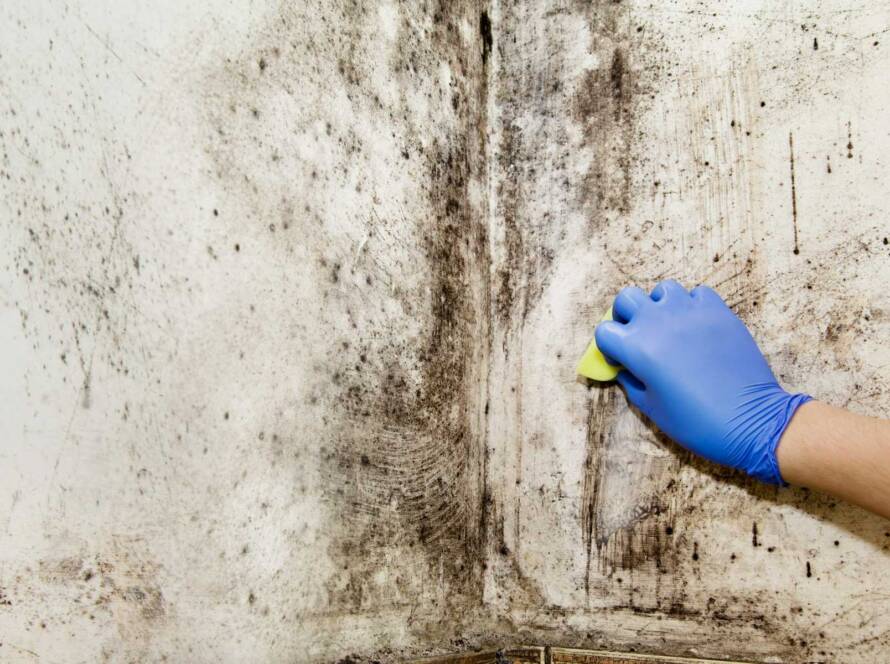
Mold and moisture are the Lowcountry’s dominant concern. Mold growth releases spores continuously into the air, and a home with active colonization typically also shows elevated particulate matter, elevated humidity, and compromised ventilation. These problems travel together. Active moisture management is the only way to reduce the risk of recurrence after remediation.
Combustion byproducts include carbon monoxide from gas appliances, furnaces, fireplaces, and attached garages, as well as fine particulate matter (PM2.5) from cooking and indoor combustion. Carbon monoxide is colorless and odorless. Functioning detectors on every floor are required by code for a reason.
Radon is a naturally occurring radioactive gas that seeps through foundations from the soil. The EPA estimates radon causes approximately 21,000 lung cancer deaths in the U.S. each year, making it the second leading cause of lung cancer behind smoking. Because it is invisible and odorless, it cannot be detected without testing.
Biological allergens such as dust mites, pet dander, cockroach allergens, and pollen enter through ventilation and settle in carpets and upholstery. Their activity increases sharply when indoor humidity rises above 60%, which in a Lowcountry home without active humidity control is a seasonal certainty.
Source: EPA — The Inside Story: A Guide to Indoor Air Quality
How Does Poor Indoor Air Quality Affect Your Health?
Health effects from poor indoor air quality range from short-term irritation to serious long-term disease. The outcome depends on the pollutant, its concentration, and the duration of exposure.
Short-Term Symptoms of Poor Indoor Air Quality
Short-term effects often appear within hours or days and are frequently mistaken for a cold or seasonal allergies: nasal congestion, eye and throat irritation, headaches, unexplained fatigue, difficulty concentrating, and skin irritation. None of these symptoms are unique to air quality problems, which is why the pattern matters more than any single symptom.
A useful diagnostic signal: if your symptoms improve noticeably when you leave the building and return when you come back, your indoor environment warrants investigation.
Long-Term Health Effects of Indoor Air Pollution
Prolonged exposure to indoor pollutants is associated with more serious conditions. Chronic asthma, bronchitis, and reduced lung function are among the respiratory consequences linked to sustained exposure. Fine particulate matter (PM2.5) carries long-term cardiovascular risk. Radon is classified as a Group 1 carcinogen by the International Agency for Research on Cancer and is the second leading cause of lung cancer in the U.S. Some heavy metals found in older building materials have also been associated with cognitive effects with extended exposure.
Source: CDC — Air Quality and Health
Who Is Most Vulnerable to Indoor Air Pollution?
Children face disproportionate risk because their developing lungs are more sensitive to airborne irritants. The same applies to elderly individuals with reduced respiratory reserve, people with asthma or allergic disease, immunocompromised individuals, and anyone who spends the majority of their day inside. Remote workers and caregivers fall into that last category more often than most people consider.
What Is the Air Quality Index and How Do You Read It?
The Air Quality Index (AQI) is the EPA’s standardized scale for communicating outdoor air quality conditions. It runs from 0 to 500 across six color-coded categories:
| AQI Range | Category | Health Concern |
| 0–50 | Good | Air quality is satisfactory |
| 51–100 | Moderate | Acceptable; some pollutants may affect sensitive groups |
| 101–150 | Unhealthy for Sensitive Groups | Children, elderly, and those with lung or heart conditions at elevated risk |
| 151–200 | Unhealthy | Everyone may begin to experience health effects |
| 201–300 | Very Unhealthy | Health alert; serious effects possible for everyone |
| 301–500 | Hazardous | Emergency conditions; serious health effects likely |
The AQI measures six outdoor pollutants: ground-level ozone, particulate matter (PM2.5 and PM10), carbon monoxide, sulfur dioxide, and nitrogen dioxide.
One critical limitation: the AQI measures outdoor air only. On a day with a “Good” rating, a home with active mold growth or a malfunctioning gas appliance can have significantly worse air than outside. Monitoring both outdoor AQI and indoor conditions together gives you the complete picture.
How Do You Monitor Indoor Air Quality at Home?
Monitoring gives you real data about what is in your air rather than assumptions based on symptoms alone. Options range from low-cost consumer devices to professional laboratory testing.
Consumer Air Quality Monitors
Home air quality monitors measure one or more of the following: particulate matter (PM2.5 and PM10), carbon dioxide (CO2), temperature, and relative humidity. CO2 is a reliable proxy for inadequate ventilation. When levels climb, it is a signal that fresh air exchange is insufficient.
Dedicated radon monitors are sold separately and provide the most reliable residential data for that specific risk. Carbon monoxide detectors are required by code in most jurisdictions and should be treated as a non-negotiable baseline, not an optional upgrade.
Consumer monitors are not calibrated laboratory instruments, but they provide useful trend data and early warning when something seems off in your home’s air.
Professional Indoor Air Quality Testing
Professional testing uses calibrated instruments and accredited laboratory analysis to produce quantified, defensible data on pollutant concentrations. It is the appropriate next step when symptoms are persistent and can’t be traced to another cause, when you’ve had water damage or visible mold growth, when a consumer monitor shows consistently elevated readings, or when you are buying or selling a property and need documented baseline conditions.
For a full breakdown of what professional testing involves and what it costs in the Charleston area, see our guide to indoor air quality testing cost in Charleston, SC.
What Are the Biggest Indoor Air Quality Challenges in Charleston, SC?
Charleston’s Lowcountry climate creates specific conditions that most national IAQ guides don’t address. Understanding the regional context is what separates generic advice from guidance that actually applies to your home.
Persistent Humidity and Moisture Intrusion
Charleston’s average outdoor relative humidity exceeds 75% during summer months. When that humidity enters the building envelope through crawlspaces, poorly sealed foundations, or HVAC systems that are not dehumidifying effectively, it creates the sustained moisture conditions mold, dust mites, and bacteria need to establish.
The target indoor humidity for healthy air quality is 30% to 50%. Maintaining that range in a Lowcountry home without active mechanical humidity control is not realistic during most of the year.
Crawlspace Air Migration
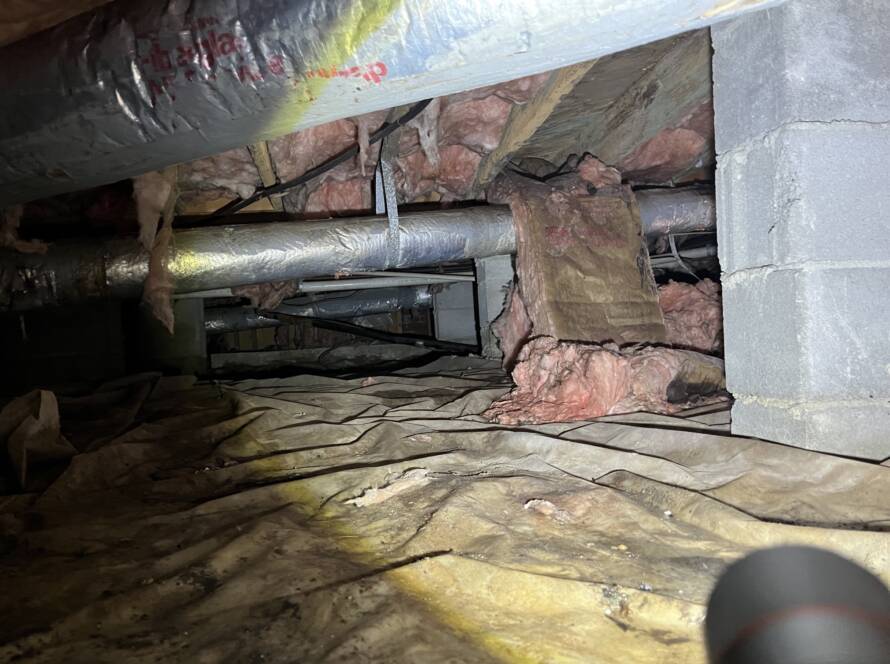
Homes built on raised foundations, common throughout older Charleston neighborhoods and surrounding Lowcountry communities, experience what building scientists call the stack effect. Air from the crawlspace migrates upward into the living space through gaps in the floor assembly.
If the crawlspace has elevated moisture or mold growth, that air carries contaminants directly into the rooms above. A crawlspace that smells musty will eventually produce a home that smells musty, regardless of how clean the living areas are kept. Crawlspace encapsulation is the structural fix that breaks this cycle by sealing ground moisture out of the living space entirely.
Storm and Flood Events
Charleston’s storm exposure creates acute indoor air quality events on a regular basis. Water intrusion from storm damage can produce significant mold colonization within 24 to 48 hours when materials are not dried quickly and completely.
After any water intrusion event, materials like drywall, insulation, carpet, and subfloor absorb moisture and provide the substrate mold needs to grow. Our guides to mold in carpet from water damage and when to replace a water-damaged subfloor cover the material-specific decisions that follow a flood or water event. For situations involving cabinetry and built-ins, our guide to water-damaged kitchen cabinets walks through the repair vs. replace decision.
HVAC Systems Under High-Humidity Conditions
Air conditioning systems in the Lowcountry run harder and longer than in most parts of the country. The evaporator coil and drain pan are continuous condensation points. When drain lines back up or airflow is restricted, moisture accumulates inside the air handler, creating ideal conditions for mold and bacterial growth inside the system itself.
A contaminated air handler distributes spores and particulates through every duct in the home with every cycle it runs. Routine maintenance matters more in this climate than most. Our guide to cleaning air ducts for mold explains what duct contamination looks like and what remediation involves.
Older Housing Stock and Legacy Materials
Charleston’s historic homes are architecturally significant and, from an air quality standpoint, among the most challenging to manage. Older homes may contain lead paint on interior surfaces, asbestos in insulation, floor tiles, or pipe wrap, and no vapor barriers in the floor or wall assemblies. Mechanical ventilation systems in these homes were designed for a different era’s occupancy patterns.
These are not disqualifying conditions, but they require professional assessment before any renovation or restoration work begins.
How Do You Improve Indoor Air Quality Step by Step?
The EPA identifies a clear priority order for improving indoor air quality: source control first, then ventilation, then air cleaning. Working through these in sequence produces better outcomes than applying any one strategy in isolation.
Step 1: Control the Source of Contamination
The most effective improvement is eliminating what is producing the pollutant in the first place. Ventilation and filtration manage what is already in the air. Source control removes what is generating it.
Start with water. Repair leaks and dry affected materials within 24 to 48 hours of any water event. Mold can begin colonizing porous materials in that window, so speed matters more than most homeowners realize. Any active mold growth should be remediated per IICRC S520 standards, with the moisture source addressed at the same time. Treating one without the other doesn’t hold.
For radon, test first. If levels exceed the EPA’s action level of 4 pCi/L, a qualified mitigation contractor can install a sub-slab depressurization system that reliably reduces concentrations. For gas appliances, annual service and functioning carbon monoxide detectors on every floor cover the primary combustion risks.
For homes with unencapsulated crawlspaces, sealing the ground and foundation walls from moisture intrusion is often the single highest-impact air quality improvement available.
Step 2: Improve Ventilation
Ventilation dilutes indoor pollutants by exchanging contaminated indoor air with outdoor air. In a tightly sealed home, mechanical ventilation is often the only reliable way to achieve adequate air exchange rates.
Run bathroom exhaust fans during showers and for at least 15 minutes after, vented directly outside rather than into the attic. Use kitchen range hoods vented to the exterior when cooking. For whole-home fresh air exchange without significant energy loss, an energy recovery ventilator (ERV) or heat recovery ventilator (HRV) is worth evaluating. In Charleston’s spring and fall, opening windows during low-humidity, low-AQI periods is a simple supplement when conditions allow.
Source: ASHRAE Standards 62.1 and 62.2
Step 3: Filter and Clean the Air
Air cleaning is a supporting layer, not a replacement for source control and ventilation. When combined with the first two steps, it provides meaningful additional benefit.
HVAC filters rated MERV 11 to 13 are effective for fine particles without overloading most residential systems. The catch is that they only work when they’re changed on schedule. Neglected filters restrict airflow, reduce dehumidification capacity, and raise indoor humidity, compounding the problems they’re meant to reduce.
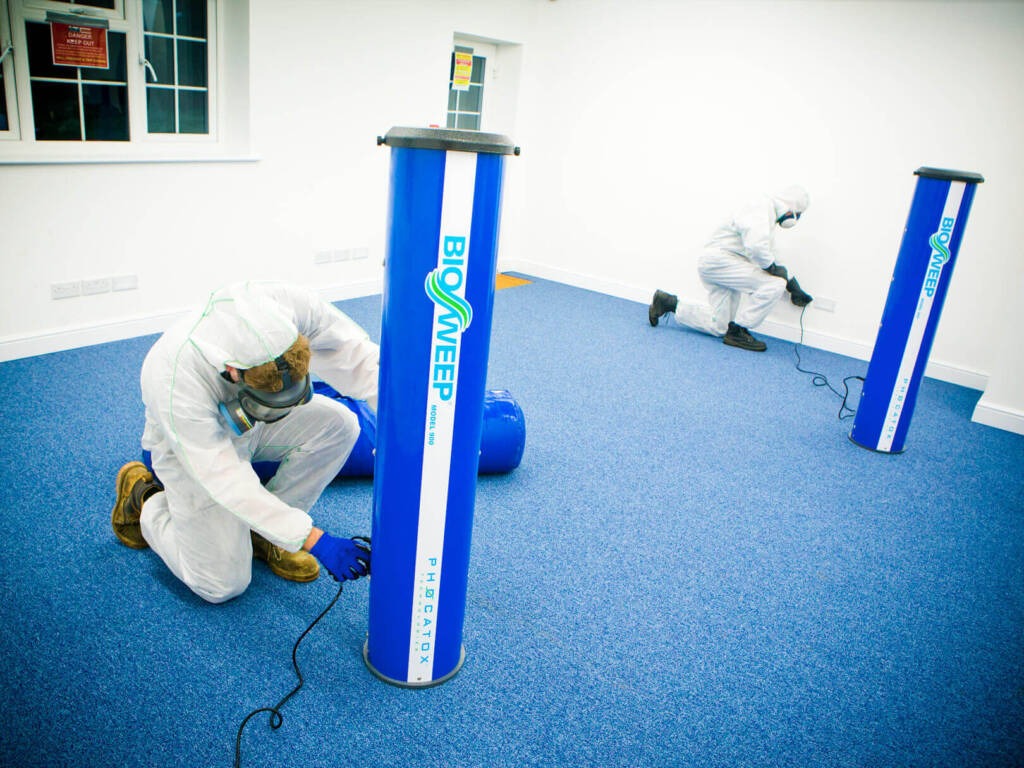
Portable HEPA air purifiers sized appropriately for the room provide targeted benefit in specific spaces. Whole-home systems installed in the HVAC can combine HEPA filtration and UV germicidal treatment for a deeper layer of air cleaning. For homes recovering from mold, water damage, fire, or persistent odors that standard treatment hasn’t resolved, BIOSWEEP® multi-phase oxidation treatment destroys contaminants at the molecular level on non-porous surfaces, without harsh chemicals or fragrance masking.
What Does Mold Do to Indoor Air Quality?
Mold is the most significant indoor air quality concern in Charleston’s Lowcountry. Active mold growth is not simply a visible surface problem. It releases spores and microbial volatile organic compounds (MVOCs) into the air continuously, affecting air quality throughout the home even in rooms far from the visible growth, and it will continue to do so as long as the moisture source feeding it remains unaddressed.
How Mold Spreads Through Indoor Air
When mold colonizes a porous material such as drywall, wood, insulation, or carpet, it becomes a continuous source of airborne spores. Those spores circulate, land on new surfaces, and under adequate moisture conditions start new colonies. The HVAC system accelerates this process by drawing air across contaminated surfaces and delivering it to every room in the home.
MVOCs are the gases mold produces as it metabolizes organic material. They are responsible for the characteristic musty odor associated with mold problems. Elevated MVOC concentrations have been associated with headache, nausea, and fatigue even in people without a specific mold allergy.
When Does Mold in Your Home Require Professional Remediation?
The EPA recommends professional remediation for any mold growth covering more than 10 square feet, as well as for mold in any HVAC component or structural material, regardless of visible area size.
Professional mold remediation follows IICRC S520 standards: containment, physical removal of contaminated materials, treatment, moisture source correction, and post-remediation clearance testing. Specific scenarios, such as mold found on popcorn ceilings or contamination inside air ducts, each involve unique considerations. For larger or commercial remediation jobs, our guide to the mold remediation timeline for commercial properties covers what to expect from scoping through clearance.
Moisture source correction is not optional. Removing mold without eliminating what feeds it produces temporary results at best.
What Role Does Your HVAC System Play in Indoor Air Quality?
Your HVAC system is simultaneously your most important tool for managing indoor air quality and, when neglected, one of the most significant contamination sources in your home.
How a Well-Maintained HVAC System Supports Healthy Air
A properly functioning system filters particulate matter from recirculated air on every cycle, dehumidifies actively in cooling mode to keep humidity below mold-favorable thresholds, and distributes conditioned, filtered air consistently through the living space. Enhanced filtration, UV germicidal treatment, and whole-home dehumidification can all be added to an existing system.
How a Neglected HVAC System Becomes a Problem
Deferred maintenance creates a predictable chain reaction. Clogged filters restrict airflow and reduce dehumidification capacity, raising indoor humidity. Moisture in the drain pan or on the evaporator coil allows mold to colonize inside the air handler. A contaminated system then distributes spores and fine particulates to every room with every cycle.
For vacation properties and homes left unoccupied during the Lowcountry’s humid summer months, the risk compounds quickly. For commercial properties with larger duct systems, see our breakdown of commercial air duct cleaning costs.
When Should You Call a Professional for Indoor Air Quality Problems?
Some indoor air quality problems are manageable with consumer-grade products and routine maintenance. Others require professional assessment and remediation to address effectively.
Signs That Professional Assessment Is Warranted
Contact a certified indoor air quality professional when respiratory symptoms, fatigue, or headaches are persistent and improve when you leave the home. The same applies when you have visible mold growth covering more than 10 square feet, or any mold in an HVAC component, and when water intrusion occurred and affected materials were not dried within 24 to 48 hours.
Beyond those clear thresholds, a consumer air quality monitor showing consistently elevated particulate or humidity readings warrants follow-up. So does a musty odor that persists despite cleaning and improved ventilation, or a property transaction requiring documented air quality data.
What Professional Indoor Air Quality Assessment Involves
A thorough assessment starts with an on-site inspection of the building envelope, HVAC system, crawlspace, and moisture-prone areas. From there, calibrated air sampling covers particulates and biological contaminants. Moisture mapping locates hidden water sources that don’t show up visually. Collected samples go to an accredited laboratory, and the findings come back in a written report with clear recommendations before any remediation work begins.
BioSweep Southeast provides free on-site assessments with written findings. The scope of any recommended work is documented in full before you make any commitment.
How Does BIOSWEEP® Technology Address Indoor Air Quality Problems?
When source removal and standard air cleaning are not enough, following mold remediation, water damage, fire and smoke damage, or persistent odor problems that standard treatment hasn’t resolved, BIOSWEEP® provides a deeper level of air and surface decontamination.
The BIOSWEEP® Multi-Phase Oxidation System uses five simultaneous processes: photocatalytic oxidation, hydroxyl radical generation, purified ozone, UVC radiation, and hydrogen peroxide vapor. Together, these destroy contaminants at the molecular level on non-porous surfaces, including residual mold spores, odor-causing molecules, and bacteria. The byproducts are water and oxygen. No harsh chemicals. No residue. No fragrance masking.
For porous materials like drywall and wood, physical remediation remains the primary method. BIOSWEEP® is the decontamination layer that follows, treating what remains in the air and on structural surfaces after affected materials are removed.
Odor elimination treatments performed by BioSweep Southeast are backed by the Odor-Free Guarantee. If the smell returns, so do we, at no additional charge.
What Should You Do During an Outdoor Air Quality Alert?
When the AQI reaches Unhealthy levels (151 and above), the response depends on who is in the home and how well the building is sealed against outdoor air infiltration.
Keep windows and doors closed and set the HVAC to recirculate mode rather than drawing in outdoor air. Run portable HEPA air purifiers in occupied rooms. Limit strenuous outdoor activity, particularly for children and anyone with a respiratory condition. Real-time AQI data for your specific location in the Charleston area is available at airnow.gov.
After Wildfire Smoke or Flood Events
These events create acute indoor air quality challenges that go well beyond routine management.
Wildfire smoke carries fine particulates (PM2.5) that penetrate building envelopes more readily than standard outdoor pollution. Active filtration and surface treatment are both needed, not just one. Flood events introduce biological contamination, sediment, and sustained moisture that require professional remediation rather than surface cleaning.
BioSweep Southeast responds to post-disaster air quality restoration, including mold remediation following flooding and smoke odor elimination following fire damage.
Frequently Asked Questions About Indoor Air Quality
What is indoor air quality?
Indoor air quality refers to the condition of the air inside a building as it affects the health and comfort of occupants. It is determined by pollutant concentrations, humidity levels, ventilation rates, and the presence of biological contaminants. ASHRAE defines acceptable indoor air quality as air free from harmful concentrations of known contaminants, with comfort conditions acceptable to 80% or more of occupants.
How do I know if my home has an indoor air quality problem?
Common indicators include persistent respiratory symptoms that improve when you leave the home, unexplained headaches or fatigue, visible mold growth, a musty odor, and elevated readings on a consumer air quality monitor. Professional testing provides the only definitive answer.
What is the most common indoor air pollutant in Charleston, SC?
In the Lowcountry, mold and excess humidity are the most prevalent indoor air quality problems, driven directly by the coastal climate. Nationally, combustion byproducts and fine particulate matter are among the most widespread pollutants in residential buildings.
How often should I test my indoor air quality?
For ongoing monitoring, a continuous consumer air quality monitor handles the day-to-day work automatically. Review the data monthly — every 30 days is enough to catch seasonal changes, and in Charleston that matters, since summer humidity and winter heating cycles both shift indoor air conditions in measurable ways.
For professional testing, the schedule depends on what you’re testing for:
- Mold: No routine schedule needed. Test after any water damage event, before purchasing a home, or when persistent symptoms — recurring headaches, worsened allergies, unexplained respiratory irritation — suggest a problem.
- Higher-risk homes: If your home has a crawl space, original building materials, or a history of flooding or moisture issues, move to annual professional testing across the board.
The short answer: continuous monitoring year-round, a monthly data check, professional radon testing every two years, and event-driven testing for everything else.
Can an air purifier fix my indoor air quality problems?
Air purifiers address what is already circulating in the air. They do not remove the source of contamination. If mold is growing behind a wall, an air purifier will reduce spore counts in the room but will not stop the mold from producing more. Source control and ventilation are the foundation. Air cleaning supports them.
What is a safe indoor humidity level?
The EPA and ASHRAE both recommend maintaining indoor relative humidity between 30% and 50%. Above 60%, conditions become favorable for mold growth and dust mite activity. In Charleston’s climate, active dehumidification is typically required to maintain this range during summer months.
How do I find a reliable indoor air quality professional in Charleston, SC?
Look for IICRC Certified Firms, EPA-certified environmental service providers, and companies with documented experience in mold remediation and water damage restoration. Avoid any company that inspects and remediates without independent third-party testing. A firm doing both has a direct conflict of interest.
Is BIOSWEEP® safe for children and pets?
Yes. BIOSWEEP® is non-toxic and leaves no residue. The space needs to be unoccupied during the active treatment phase. Once treatment is complete and the area has been ventilated, it is safe for occupancy, including children, pets, and individuals with respiratory sensitivities.
Schedule Your Free Indoor Air Quality Assessment in Charleston
You spend most of your life breathing the air inside your home. In Charleston’s Lowcountry, where humidity, storm risk, and aging building stock create persistent air quality challenges, a professional assessment is one of the most practical steps you can take for your family’s long-term health.
BioSweep Southeast provides a free on-site assessment with a written findings report. No obligation. No pressure. Just a clear, honest picture of what is in your air and what it would take to improve it.
Schedule your free assessment online.
We don’t mask the problem. We eliminate it.