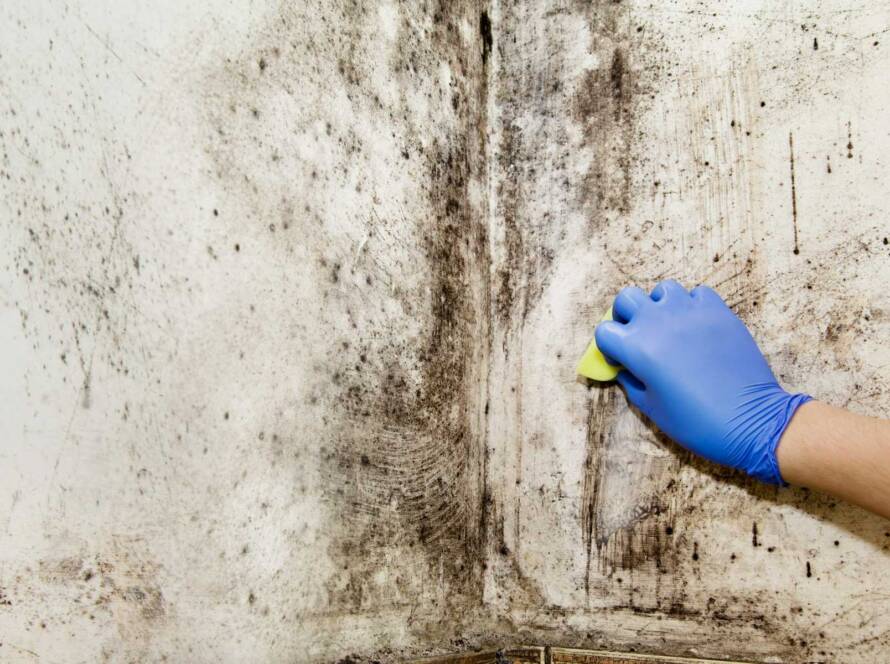

Cleaning air ducts for mold requires more than routine duct cleaning. Mold inside an HVAC system usually indicates an underlying moisture problem, and running the system can spread spores throughout the building. Hard, non-porous ducts may sometimes be cleaned. Mold-contaminated insulation or porous duct liner typically must be replaced.
Mold in HVAC systems is often misunderstood. Many property owners assume a standard duct cleaning will solve the issue, but mold inside ductwork is usually a symptom of excess moisture. Understanding whether your ducts can be cleaned or must be replaced is critical to protecting indoor air quality and preventing recurrence.
If contamination is suspected, pause system operation and schedule a professional inspection.
Why Mold Grows in Air Ducts
Mold requires moisture. HVAC systems can develop mold when:
- Condensation forms inside ducts
- Drain pans or condensate lines clog
- Air handlers leak
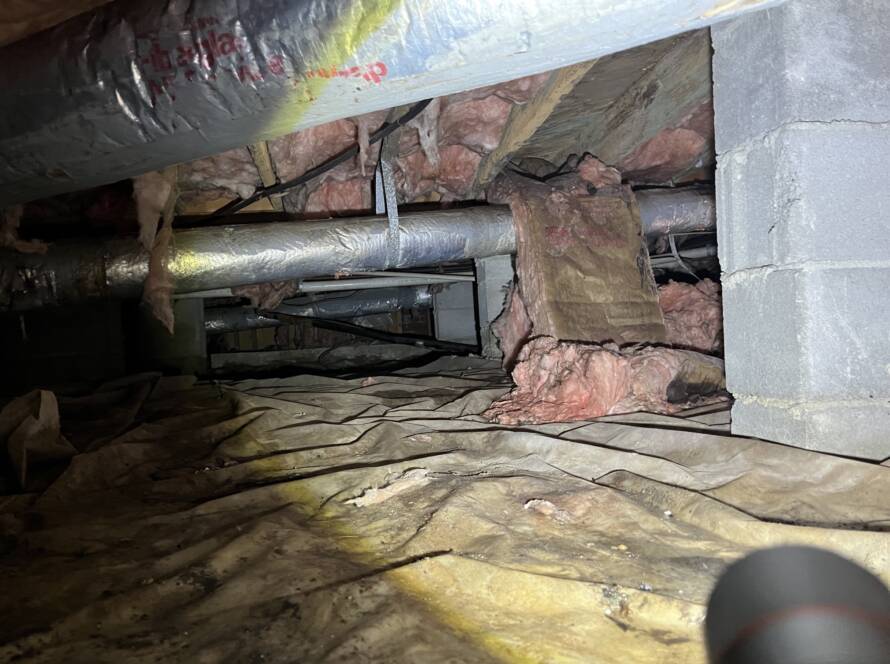
- Ducts pull humid air from crawl spaces or attics
- Flooding or water damage affects the system
According to the U.S. Environmental Protection Agency (EPA), moisture problems must be corrected first, because cleaning alone will not prevent mold from returning.
If duct contamination followed a water damage event, the restoration timeline may be a little longer.
Can Mold Be Cleaned Out of Ductwork?
Sometimes.
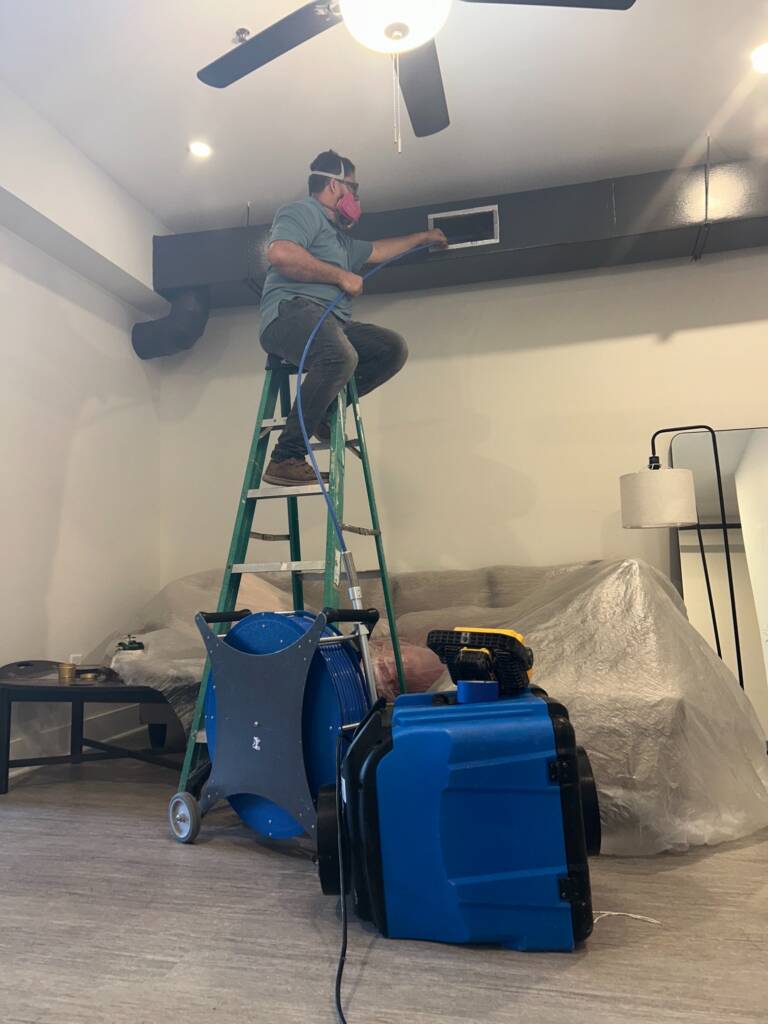
Mold can be cleaned from hard, non-porous duct surfaces such as bare sheet metal if:
- The moisture source is corrected
- Containment is used
- HEPA filtration is applied
- Proper agitation tools are used
However, if insulated ductwork, internal duct liner, or flexible duct becomes wet and moldy, it typically cannot be effectively cleaned and should be removed and replaced.
Porous materials allow mold to penetrate below the surface, making full removal unreliable.
Will Mold in Air Ducts Spread Through the Building?
Yes.
When an HVAC system runs, air circulates through the entire duct network and into connected rooms. If mold is present inside the system, spores can be distributed throughout the property.
The longer a contaminated system operates, the greater the potential for cross-contamination of walls, ceilings, furnishings, and flooring.
For this reason, HVAC operation should be paused if significant contamination is suspected.
Duct Cleaning vs. Duct Replacement: How to Decide
| Situation | Cleaning May Be Enough | Replacement Is Recommended |
| Bare metal duct with light surface mold | ✔ Yes | |
| Mold caused by minor condensation | ✔ Yes (after moisture correction) | |
| Mold inside fiberglass-lined ducts | ✔ Yes | |
| Flexible duct contaminated internally | ✔ Yes | |
| Exposure to sewage or floodwater | ✔ Yes | |
| Persistent odor after cleaning | ✔ Often necessary | |
| Moldy insulation inside air handler | ✔ Yes |
This distinction is critical. Cleaning may be appropriate for hard surfaces, but porous or insulated materials generally require replacement.
How Long Does Mold Remediation in Air Ducts Take?
The timeline depends on:
- Size of the HVAC system
- Number of zones
- Accessibility of duct runs
- Whether insulation must be replaced
- Whether contamination extends beyond ductwork
Localized contamination may be addressed in a single day.
Larger systems or cases involving duct liner replacement may require multiple days.
Does Cleaning Air Ducts Remove Mold Odor?
It can, but not always.
If mold inside ductwork is the primary source of odor, proper remediation may reduce or eliminate the smell.
However, persistent musty odors often indicate:
- Hidden moisture in crawl spaces
- Mold behind walls
- Contaminated insulation
- Incomplete remediation
What Does Professional Mold Duct Remediation Include?
A professional remediation plan typically involves:
- Inspection of ducts, registers, air handler, and coils
- Moisture source identification
- Containment to prevent cross-contamination
- HEPA-filtered vacuuming
- Mechanical agitation tools
- Removal and replacement of contaminated insulation
- Filter replacement
- Airflow verification
Cleaning without correcting moisture or replacing compromised materials increases the likelihood of recurrence.
How Much Does It Cost to Remove Mold From HVAC Systems?
Costs vary based on:
- System size
- Accessibility
- Contamination severity
- Need for containment
- Replacement of porous duct materials
Systems requiring insulation replacement are typically more expensive than those requiring surface cleaning only.
How Do You Prevent Mold From Returning?
Prevention focuses on moisture control.
High-impact steps include:
- Keeping indoor humidity below 50 percent
- Maintaining drain pans and condensate lines
- Sealing duct leaks
- Replacing HVAC filters regularly
- Addressing crawl space humidity
- Scheduling routine HVAC inspections
Mold prevention is primarily moisture prevention.
Frequently Asked Questions About Mold in Air Ducts
Is mold in air ducts dangerous?
Yes. Mold inside HVAC systems can circulate spores throughout the building and may trigger respiratory symptoms, allergies, and irritation. Prolonged exposure increases risk. The CDC states that exposure to mold can cause nasal congestion, throat irritation, coughing, and other respiratory symptoms, particularly in sensitive individuals
Should I run my HVAC if I suspect mold?
No. Operating the system can distribute spores. Turn it off and schedule an inspection.
Can I clean mold from air ducts myself?
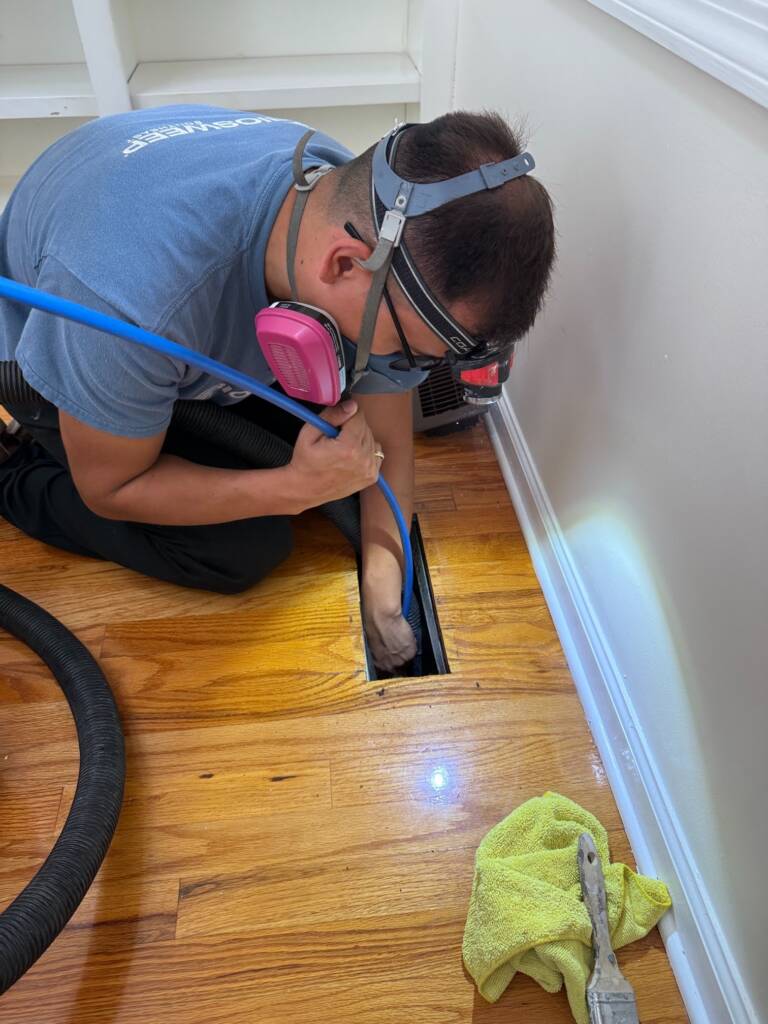
Surface vent covers may be cleaned carefully, but full duct systems require specialized equipment and containment to prevent spreading contamination.
How can I tell if mold is in my air ducts?
Musty odors when the system runs, visible growth near vents, recent water damage, and increased indoor allergy symptoms may indicate contamination. Professional inspection is often required to confirm.
When should ducts be replaced instead of cleaned?
If the insulation or porous duct liner is moldy, replacement is typically recommended because cleaning cannot reliably remove embedded growth.
When to Call BioSweep Southeast
If you suspect mold inside your HVAC system, do not rely on surface cleaning alone.
BioSweep Southeast provides:
- HVAC mold inspection
- Moisture source identification
- HEPA containment and filtration
- Removal or replacement of contaminated materials
- Advanced decontamination as part of a full remediation plan
Schedule an inspection to restore safe, healthy indoor air.