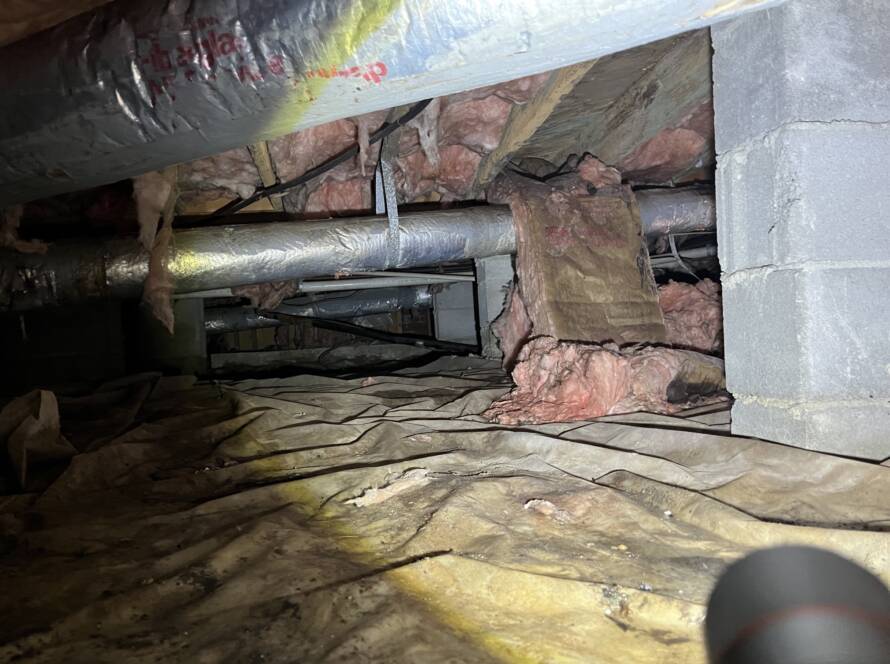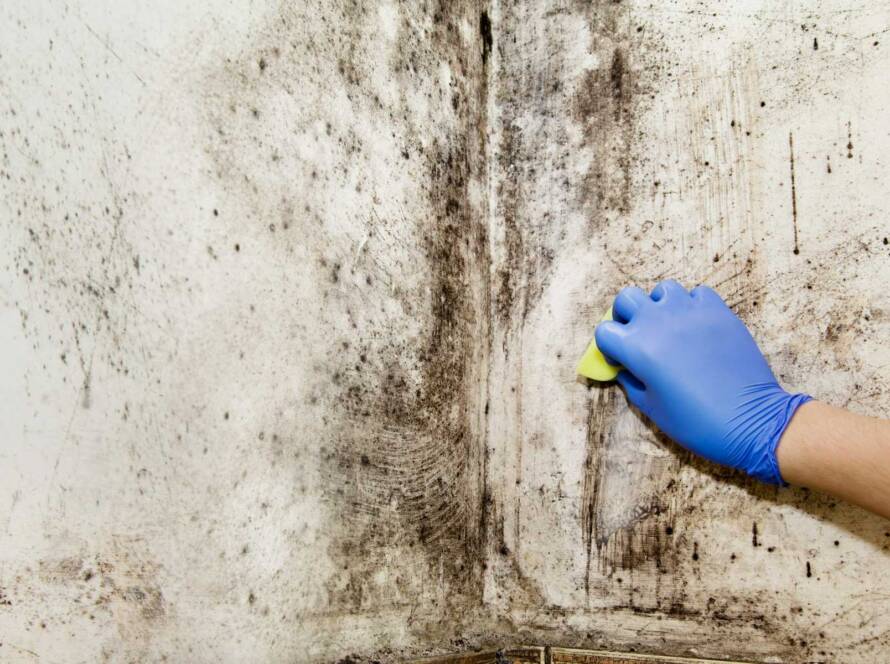

In most commercial environments, mold remediation takes between 2 and 7 days. Larger or multi-area contamination can extend to 1 to 2 weeks. Structural damage or HVAC involvement may require additional time depending on restoration needs.
Mold remediation is the professional process of identifying, containing, removing, cleaning, and drying mold-contaminated materials to restore indoor air quality and prevent recurrence. Mold can begin growing within 24 to 48 hours after moisture exposure, which is why rapid response significantly reduces remediation scope (U.S. Environmental Protection Agency, Mold Remediation in Schools and Commercial Buildings).
For a broader overview of professional mold treatment approaches, see our guide to green mold remediation
Commercial Mold Remediation Timeline Overview
| Scope of Contamination | Estimated Duration |
| Small isolated area under 10 sq ft | 1 to 3 days |
| Moderate area 10 to 100 sq ft | 2 to 5 days |
| Large or multi-room over 100 sq ft | 5 to 10 days |
| Structural or HVAC contamination | 1 to 2 weeks or longer |
| Post-remediation clearance buffer | 24 to 48 hours |
Actual duration depends on moisture levels, material damage, building layout, and documentation requirements.
If you are also addressing active water damage, timelines may align with what we outline in how long water damage restoration takes
When Is Professional Mold Remediation Required?
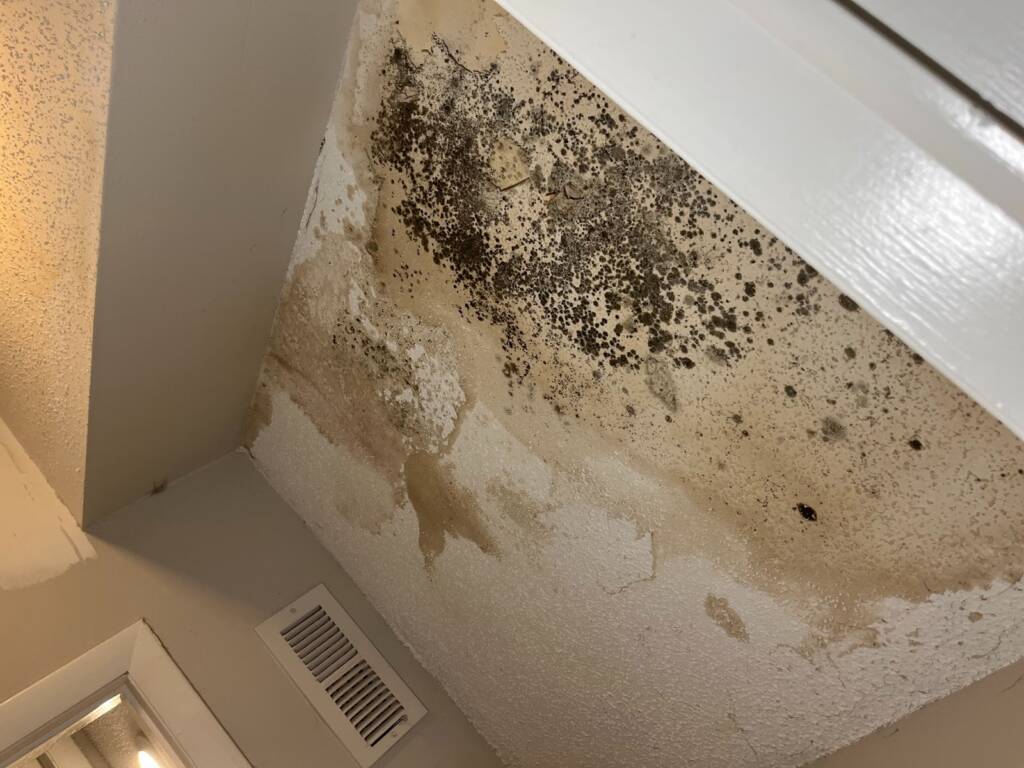
Industry guidance commonly references 10 square feet as a threshold for determining whether limited cleaning may be possible or full professional remediation is recommended (EPA guidance).
In commercial buildings, professional remediation is typically necessary when:
- The affected area exceeds 10 square feet
- Mold is present inside wall cavities or HVAC systems
- Moisture sources remain active
- Occupancy involves tenants or employees
- Formal documentation is required
Step-by-Step Mold Remediation Timeline
Phase 1: Inspection and Moisture Assessment (Day 1 to 2)
Technicians perform moisture readings, thermal imaging, visual inspection, and identify the active moisture source.
If water intrusion is ongoing, it must be corrected before remediation can be finalized. Depending on where the damage is located, you may also need to address:
• Signs of water damage under floor
• Water damaged floor repair
• When to replace subfloor from water damage
Phase 2: Containment and Air Filtration (Day 1)
Plastic barriers isolate the affected area. Negative air pressure and HEPA filtration prevent cross-contamination.
If renovation debris contributed to contamination, post-construction HVAC cleaning/ air duct cleaning may be necessary.
Phase 3: Removal and Cleaning (Day 1 to 5)
Porous materials such as drywall, insulation, carpet, and ceiling tiles are removed.
If cabinetry is involved, you may need guidance on:
• Water-damaged kitchen cabinets
If contamination has spread through ventilation systems, duct remediation may be required.
Phase 4: Drying and Moisture Stabilization (Day 1 to 3)
Commercial dehumidifiers and air movers reduce humidity below 50 percent and remove trapped structural moisture.
Drying must reach acceptable moisture levels before containment can be removed.
Phase 5: Verification and Clearance (Final 1 to 2 Days)
Commercial dehumidifiers and air movers reduce humidity below 50 percent and remove trapped structural moisture.
Drying must reach acceptable moisture levels before containment can be removed.
Phase 6: Restoration (Variable)
If materials were removed, reconstruction follows. This may include drywall replacement, painting, flooring installation, and finish work. Duration depends on scope and material availability.
What Influences Mold Remediation Duration?
| Variable | How It Impacts Timeline |
| Active plumbing or roof leak | Remediation pauses until repaired |
| Hidden mold behind walls | Additional demolition required |
| HVAC contamination | Specialized cleaning adds days |
| High ambient humidity | Extends drying phase |
| Large square footage | Requires expanded containment |
| Insurance or compliance review | Adds administrative time |
Building type also affects duration. Healthcare facilities often require stricter containment and documentation. Hospitality and multi-family properties may require phased scheduling to minimize disruption. Office environments may coordinate remediation outside business hours.
How Timeline Affects Remediation Cost
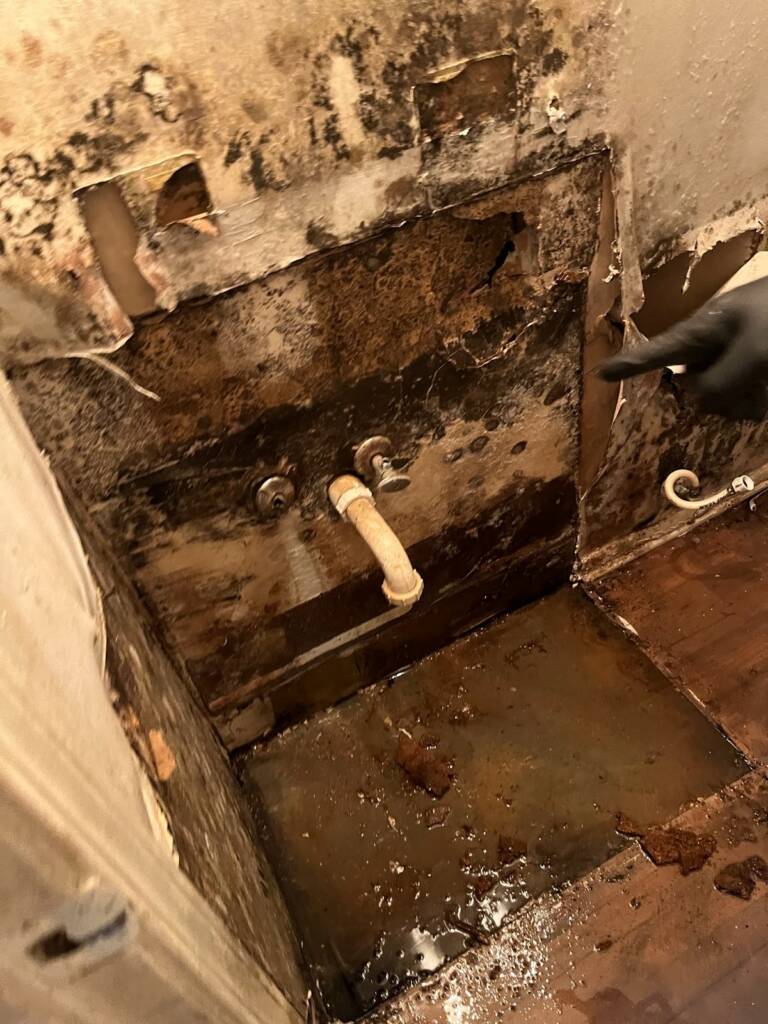
Duration and cost are directly connected.
Longer projects may increase:
- Labor hours
- Equipment rental duration
- Containment complexity
- Tenant coordination
- Restoration scope
Early intervention limits structural damage and often reduces both total remediation time and overall cost.
What Should Be Discarded?
Typically removed:
- Water-damaged drywall
- Saturated carpet and padding
- Insulation
- Porous ceiling tiles
- Paper products
- Often salvageable after professional cleaning:
- Metal
- Glass
- Hard plastics
- Finished wood
Professional evaluation determines what can remain without compromising indoor air quality.
Frequently Asked Questions About Mold Remediation Timeline
How long should occupants stay out?
Most properties allow re-entry within 24 to 48 hours after clearance confirmation.
Is mold remediation fully effective?
When moisture sources are corrected and remediation is properly executed, existing mold contamination is eliminated. New moisture events can create future growth if not addressed.
How soon can mold return?
Mold can begin growing within 24 to 48 hours if moisture is present (EPA guidance). Humidity control is essential.
Can remediation be done after hours?
In many commercial properties, work can be scheduled during evenings or weekends to minimize operational disruption.
How BioSweep Southeast Manages Mold Projects
BioSweep Southeast approaches remediation as a complete restoration process.
Our process includes:
- Comprehensive moisture mapping
- Commercial-grade containment and HEPA filtration
- Targeted mold spore air testing for documentation clarity
- Advanced APO treatment technology integrated into remediation
Our proprietary Advanced Photocatalytic Oxidation system produces vaporized hydrogen peroxide, purified ozone, and hydrogen radicals that penetrate confined spaces beyond surface-level cleaning methods, helping neutralize airborne spores and residual contamination.
When to Schedule an Inspection
Schedule an evaluation if:
- Visible mold is present
- A persistent musty odor develops
- Water damage has occurred
- Humidity remains above 50 percent
- Occupants report respiratory irritation
Early assessment often shortens remediation time and reduces total project cost.
If you manage a commercial property in the Charleston region, BioSweep Southeast provides structured inspection, remediation, and restoration services designed for efficiency, documentation clarity, and long-term indoor air quality protection.
Request a site evaluation to receive a customized remediation timeline for your property.