
Commercial air duct cleaning typically costs between $1,000 and $5,000 or more, depending on building size, HVAC system complexity, and contamination level. Most facilities pay between $1.00 and $1.50 per square foot, or $75 to $150 per hour.
Costs increase when mold remediation, insulation replacement, or complex multi-zone systems are involved.
Understanding how pricing works helps facility managers budget accurately and avoid under-scoped proposals.
How Is Commercial Air Duct Cleaning Priced?
Commercial projects are typically priced using one of three models:
Per Square Foot
Common for larger facilities. Pricing reflects total conditioned square footage.
Per System or Per Air Handler
Used in buildings with multiple rooftop units or zoned HVAC systems.
Hourly Labor
Applied when contamination severity or system accessibility is uncertain.
The final scope is determined after inspecting system size, configuration, and contamination level.
What Drives Commercial Duct Cleaning Cost?
Several factors significantly influence total cost:
Building Size and Layout
More square footage means more ductwork, vents, and air handlers.
HVAC System Complexity
Multi-unit rooftop systems, specialty components, and distributed zones require additional coordination and labor.
Contamination Severity
Heavy dust buildup, construction debris, pest contamination, or mold increase cleaning time and may require containment.
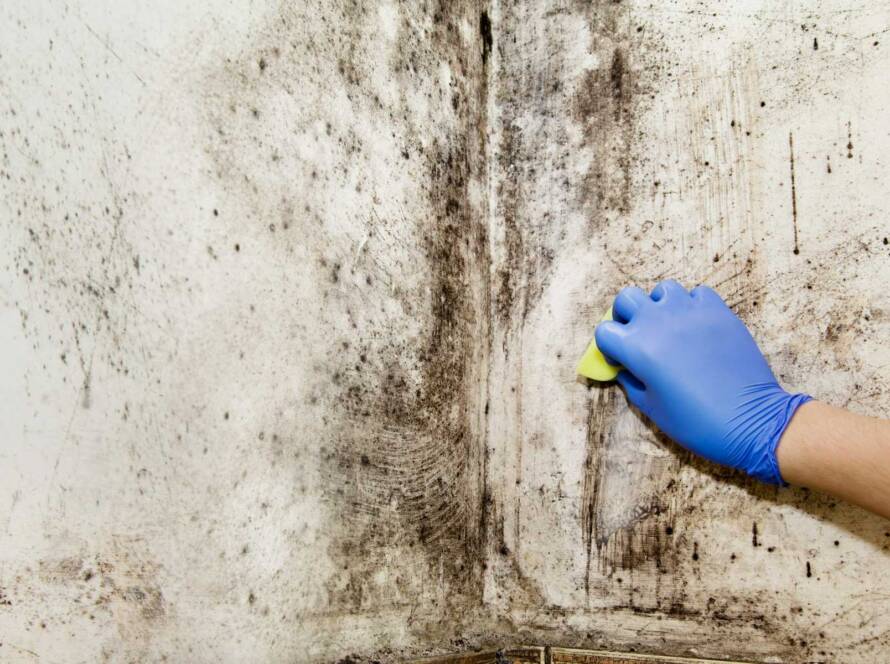
If mold is confirmed inside ductwork, additional remediation steps may be required.
Accessibility
High ceilings, restricted crawl spaces, or concealed duct runs increase labor intensity.
Additional Services
Coil cleaning, blower cleaning, camera inspections, or air quality testing expand scope.
Cost Comparison by Facility Type
| Facility Type | Typical Cost Range | Notes |
| Small Office (under 5,000 sq ft) | $1,000 – $2,000+ | Single-zone systems |
| Mid-Sized Facility (5,00020,000 –sq ft) | $2,000 – $5,000+ | Multi-zone or rooftop units |
| Large Commercial Property | $5,000 – $10,000+ | Complex, multi-unit systems |
| Mold-Contaminated System | Higher | May require insulation replacement |
Actual pricing depends on inspection findings.
How Often Should Commercial Air Ducts Be Cleaned?
The National Air Duct Cleaners Association recommends inspection and cleaning when contamination is visible or airflow is restricted.
Under normal conditions, many facilities schedule cleaning every three to five years.
More frequent cleaning may be necessary if:
- The building has undergone renovation
- There has been water damage
- Occupant complaints increase
- The facility operates in healthcare, food service, or high-density environments
In South Carolina’s humid climate, moisture-related contamination can accumulate more quickly, especially in coastal properties.
What Happens If Commercial Ductwork Is Not Maintained?
Failure to maintain duct systems can lead to:
- Reduced airflow efficiency
- Increased energy consumption
- Strain on HVAC equipment
- Indoor air quality complaints
- Mold development when moisture is present
For regulated industries, poor HVAC maintenance may also create compliance exposure.
Proactive maintenance reduces long-term operational risk.
How Long Does Commercial Duct Cleaning Take?

Duration depends on system size and scope.
- Small facilities: typically one day
- Mid-sized properties: one to two days
- Large or multi-unit systems: multiple days
Projects involving mold remediation or insulation replacement extend timelines.
Is Commercial Duct Cleaning an Expense or an Investment?
Commercial duct cleaning is typically categorized as preventive maintenance.
When performed proactively, it can:
- Extend HVAC system lifespan
- Improve airflow performance
- Reduce equipment strain
- Lower the likelihood of emergency repairs
For facilities where indoor air quality impacts operations, the return on investment often outweighs the upfront cost.
Should Commercial Duct Cleaning Be Scheduled After Hours?
Yes, most commercial projects are scheduled during evenings or weekends to minimize disruption to business operations.
Planning around occupancy ensures safety and operational continuity.
Frequently Asked Questions About Commercial Air Duct Cleaning Cost
Why is commercial duct cleaning more expensive than residential?
Commercial systems are larger, more complex, and require more labor and containment.
Can duct cleaning remove mold?
Hard-surface ducts may be cleaned if moisture is corrected. Mold-contaminated insulation typically requires replacement.
Does duct cleaning reduce energy costs?
Removing buildup can improve airflow and reduce strain on HVAC components, which may improve efficiency.
Planning Your Budget for Commercial Indoor Air Quality
Commercial air duct cleaning cost depends on system size, configuration, and contamination severity. Compared to the potential cost of HVAC failure, mold remediation, tenant complaints, or operational disruption, scheduled cleaning is often a preventive measure rather than a reactive expense.
Choosing the right provider matters just as much as budgeting for the service itself.
BioSweep Southeast specializes in commercial environments throughout South Carolina, including healthcare facilities, multi-tenant buildings, industrial properties, and high-occupancy spaces. Our team understands the unique demands of humid coastal climates, where moisture intrusion and biological growth can accelerate HVAC contamination.
What sets BioSweep apart:
- Commercial-focused expertise, not residential-only cleaning
- Detailed HVAC system inspections before any cleaning is recommended
- Mold-specific air quality testing when contamination is suspected
- Advanced restoration technology, including proprietary APO treatment to help eliminate microbial contaminants at the source
- Clear documentation to support facility managers, compliance needs, and insurance reporting when necessary
Rather than offering one-size-fits-all solutions, we evaluate your system, identify risk factors, and provide transparent recommendations aligned with your operational goals and budget.
If you’re planning your annual maintenance budget or responding to IAQ concerns, a proactive site evaluation can help you make an informed decision.Schedule a site evaluatio