
Skip to content Skip to footer

Water Damage Restoration in Charleston, SC: The Complete Guide to Cleanup, Drying, and Repair

Updated April 2026

Water damage rarely announces itself with a dramatic flood. More often, it starts quietly: a soft spot in the floor, a discolored patch on the ceiling, a musty smell that refuses to leave. By the time you notice visible signs, the damage has frequently been spreading for days through subflooring, behind drywall, and into the air your family breathes.

This guide from BioSweep Southeast covers what you need to know about water damage restoration in Charleston and across the Lowcountry. Whether you are a homeowner dealing with a burst pipe, a renter navigating a landlord dispute, a property manager protecting multiple units, or a business owner facing commercial flooding, you will find a clear picture of what restoration looks like, what mistakes to avoid, and how to protect your property going forward.

For renters:

  • Notify your landlord immediately (in writing)
  • Document all damage before cleanup
  • Do not assume liability for sudden infrastructure failures

What Is Water Damage Restoration?

Water damage restoration is the professional process of extracting water, drying affected materials, disinfecting contaminated surfaces, and returning a property to a safe, livable condition. It is not simply a cleanup. It is a structured, science-driven process designed to protect both the physical structure of your property and the health of the people inside it.

Water damage restoration refers to drying, decontamination, and returning materials to a safe condition, while repair refers to rebuilding or replacing damaged materials like drywall, flooring, or cabinetry. Restoration happens first. Repair only begins once the structure is verified dry. 

A complete restoration moves through these phases in sequence:

  1. Water extraction and removal
  2. Moisture detection and structural mapping
  3. Structural drying and dehumidification
  4. Disinfection and sanitization
  5. Repair, rebuilding, and final clearance

Skipping or rushing any phase shifts the problem into the walls, floors, and air, where it becomes harder and more expensive to resolve.

What Are the Most Common Causes of Water Damage?

Water damage most commonly comes from infrastructure failures or weather events: 

Infrastructure failures:

  • Burst or leaking supply lines, especially in homes with galvanized or polybutylene plumbing
  • Appliance failures from washing machines, dishwashers, water heaters, and refrigerators
  • HVAC condensate drain overflow from clogged lines
  • Foundation cracks are allowing groundwater intrusion
  • Sewage backups from municipal line surges or tree root intrusion

If sewage backup occurs:

Category 3 water requires full containment, PPE (personal protective equipment), removal of contaminated materials, and hospital-grade disinfection. Porous materials like carpet, drywall, and insulation are typically discarded rather than dried. 

Weather-related causes:

  • Roof damage from hurricanes, tropical storms, and severe wind events
  • Storm surge and coastal flooding
  • Prolonged rainfall overwhelms drainage systems

The Lowcountry’s tidal flooding, high groundwater tables, and aging housing stock mean even a minor infrastructure failure can escalate quickly if not caught early.

What Are the Categories and Classes of Water Damage?

Water damage is classified by contamination level (category) and penetration depth (class):

Categories of Contamination

Categories of Contamination

Category

Source

Health Risk

1 (Clean Water)

Broken supply line, overflowing sink, appliance malfunction

Low, but degrades quickly if untreated

2 (Gray Water)

Washing machine discharge, dishwasher overflow, toilet overflow (urine only)

Moderate — can cause illness through contact or ingestion

3 (Black Water)

Sewage, floodwater, or standing water with bacterial/fungal growth

High — requires full PPE and specialized disposal protocols

Source: EPA Mold and Moisture

Classes of Penetration

Class

Description

1

Minimal absorption; affects only part of a room

2

Significant absorption into carpet, walls, and structural materials throughout a room

3

Saturation from above affects ceilings, walls, insulation, and flooring

4

Deeply saturated specialty materials (hardwood, concrete, plaster) require extended drying

The IICRC classification system is used industry-wide to determine the correct drying process, safety protocols, and documentation required for insurance claims. 

What Are the Warning Signs of Hidden Water Damage?

**- Musty or earthy odors 

Signs that suggest hidden moisture:

  • A persistent musty or earthy odor that no amount of cleaning resolves
  • Peeling, bubbling, or staining on paint or wallpaper near seams
  • Warped, buckled, or soft spots in flooring near plumbing fixtures
  • Discoloration or water staining on ceilings, walls, or baseboards
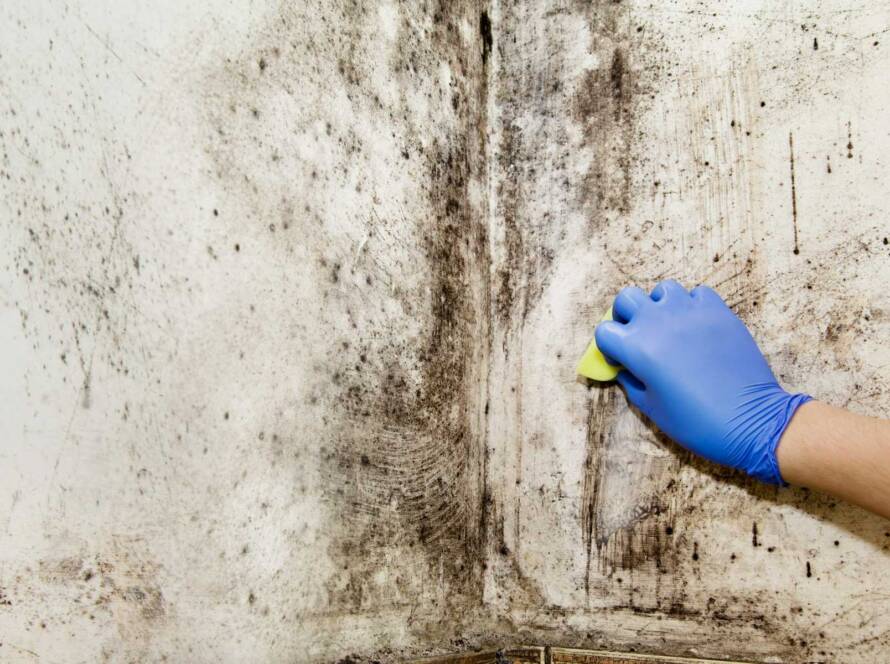
  • Visible mold growth, even in small patches
  • Doors or windows that suddenly stick or no longer close properly
  • Unexplained spikes in indoor humidity

If you notice soft or spongy areas underfoot, our detailed guide on signs of water damage under your floor walks through exactly what to look for and when to call a professional.

Early detection consistently leads to lower repair costs and fewer health complications. Source: CDC Indoor Environmental Quality

What Should You Do Immediately After Water Damage?

The first hour is the most consequential. Here is what to do in order:

  1. Assess safety first.
    If water is near electrical panels, outlets, or appliances, do not enter until power is off at the breaker. If you see sagging ceilings or bowing walls, leave and do not re-enter until a professional has assessed the structure. Category 3 water from floodwater or sewage contains pathogens that require protective equipment before entry.
  2. Stop the source if you safely can.
    For supply line or appliance failures, shut off the water at the main valve. If the source is a roof leak or storm intrusion, focus on protecting contents rather than stopping the source.
  3. Document everything before touching anything.
    Take photos and video of every affected area from multiple angles. Capture standing water depth, affected materials, and any visible structural impact. This documentation is essential for your insurance claim and must be created before anything is moved or removed.
  4. Protect what you can.
    Relocate valuables, important documents, medications, and electronics to a dry area. Lift rugs or small furniture to prevent further staining, but do not discard anything until your adjuster has documented it.
  5. Call a certified restoration professional as quickly as possible.
    The faster extraction and drying begin, the lower your risk of mold, structural damage, and secondary contamination.

How to Choose a Water Damage Restoration Company

Choosing the right restoration company directly impacts cost, timeline, and long-term outcomes.

What to look for:

  • IICRC certification
  • 24/7 emergency response
  • Moisture mapping and documentation
  • Insurance coordination experience
  • Clear written scope of work

Red flags:

  • No moisture readings
  • Only using fans
  • Upfront payment demands
  • No certifications

Why IICRC matters:
The IICRC sets the industry standard for safe drying and documentation. Companies that follow it reduce the risk of mold, structural damage, and claim issues.

What Are the Most Common Mistakes Homeowners Make After Water Damage?

**- Waiting too long

  • Running HVAC systems
  • Using household fans only
  • Using bleach on mold
  • Discarding materials too early
  • Skipping moisture mapping**

Even well-intentioned responses can make the situation significantly worse. These are the errors that consistently lead to larger repair bills and longer timelines.

Waiting to call for help.


Every hour of delay allows moisture to migrate deeper into structural materials and creates better conditions for mold growth. What looks minor on the surface rarely is.

Running the HVAC.


Turning on your air conditioning or heat circulates humid air through every room connected to that system and can push contamination into previously clean duct runs. Our guide on cleaning air ducts for mold covers what happens when HVAC systems are exposed to contaminated moisture.

Relying on household fans.
Consumer fans move air across surfaces but cannot extract moisture from inside walls, subflooring, and insulation. A room that feels dry to the touch can still have structural moisture well above the threshold for mold growth.

Using bleach on mold.
Bleach is a surface-level disinfectant. On porous materials like drywall and wood, it removes the visible color of mold but does not reach the root structure. Mold returns, often at higher concentrations, and bleach residue can complicate professional remediation.

Discarding materials before documentation.
Throwing out water-logged flooring, cabinets, or belongings before they have been photographed and inventoried can significantly reduce what your insurance carrier will reimburse.

Skipping moisture mapping.
Assuming a surface that looks and feels dry is structurally dry leads to hidden mold weeks or months later. Professional moisture mapping identifies where moisture is concentrated inside building materials, not just on the surface.

When DIY Works (and When It Doesn’t)

DIY may only be appropriate in very limited situations:

  • The affected area is small (typically under 10 sq ft)
  • The water is Category 1 (clean water only)
  • No structural materials (drywall, insulation, subfloor) are saturated
  • You can fully dry the area within 24 hours using proper equipment

Even in these cases, monitoring moisture levels is critical. Surface dryness does not mean the structure is dry.

Professional restoration is strongly recommended in most scenarios, including:

  • Water has reached walls, flooring, or subflooring
  • The source is Category 2 or Category 3 (gray or black water)
  • Moisture has been present for more than 24 hours
  • There is visible mold or a persistent musty odor
  • The affected area spans multiple rooms or hidden spaces

Why professional help matters:

  • Hidden moisture behind walls and under floors cannot be detected without specialized equipment
  • Incomplete drying is the leading cause of mold growth after water damage
  • Improper handling of contaminated water can create serious health risks
  • Insurance claims often require professional documentation and moisture logs

Most failed DIY attempts don’t fail immediately, they fail weeks later when mold, odor, or structural damage appears.

How Does BIOSWEEP® Technology Support Water Damage Restoration?

BIOSWEEP® uses hydrogen peroxide vapor, purified ozone, and hydrogen radicals to eliminate biological contamination at the molecular level. 

After extraction, drying, and structural repairs are complete, the goal is a building where the air and surfaces are genuinely free of the biological contamination that water events introduce.

BIOSWEEP® works through a combination of hydrogen peroxide vapor, purified ozone, and hydrogen radicals that destroy contamination at the molecular level on non-porous surfaces. The process is non-toxic, leaves no harsh chemical residue, and is safe for your family, your pets, and the environment.

In water damage contexts, BIOSWEEP® treatment addresses the microbial contamination, bacterial residue, and odor compounds that remain after physical drying and cleaning. This is particularly relevant after Category 2 and Category 3 events, where contamination is not limited to visible surfaces. BioSweep Southeast backs its odor elimination work with a clear commitment: if the smell returns, so do we, at no additional charge.

BIOSWEEP® is part of a comprehensive restoration process, not a substitute for correcting the moisture source, completing structural drying, or physically remediating active mold growth in porous materials.

What Are the Mold Risks After Water Damage?

In Charleston’s climate, mold can begin forming within 24 hours of water exposure. 

Mold is a predictable outcome when moisture is left unaddressed. In Charleston’s warm, humid climate, conditions favorable to mold establishment can develop within 24 hours, faster than the 48-hour window cited in national guidelines.

Correcting the moisture source is always the first step. Without it, mold returns regardless of what surface treatment is applied. Professional mold remediation begins with a moisture assessment, not a cleaning plan.

The health effects of mold exposure range from respiratory irritation and allergic symptoms to more serious outcomes in sensitive individuals. The EPA’s guidance is clear: controlling moisture is the only sustainable way to control mold.

If you are dealing with mold that appeared after a water event, our mold remediation overview explains what a professional process looks like. For documented baseline data on your air quality, professional air quality testing guides both remediation decisions and insurance documentation.

How Does Residential Water Damage Restoration Differ from Commercial?

Commercial restoration prioritizes business continuity, while residential restoration prioritizes occupant safety and livability. 

The science is the same in any building. The priorities differ significantly.

Residential restoration centers on the family and their daily life. Temporary relocation decisions, the weight of damaged personal property, and household disruption are part of every residential project. Communication and sensitivity to occupants matter as much as technical competence.

Commercial restoration adds layers of complexity. Business continuity is the primary concern. A flooded restaurant or office generates no revenue while closed, and every additional day of closure has a direct cost. Commercial projects typically involve larger affected areas, more complex HVAC and mechanical systems, phased work to allow partial operations, and detailed documentation for commercial insurance carriers.

How Do Insurance Claims Work for Water Damage?

What is typically covered: Standard homeowners and commercial property policies generally cover water damage that is sudden and accidental. A burst pipe, an appliance failure, or storm-driven rain entering through a damaged roof are events most policies are designed to cover.

What is typically not covered: Gradual damage from a slow leak, flood damage from rising groundwater or storm surge (which requires a separate flood insurance policy), and damage from deferred maintenance are commonly excluded.

Documentation makes or breaks claims. The photos and video you take immediately after the event, the moisture logs your restoration professional maintains throughout drying, and material removal documentation all become evidence in your claim. Restoration companies that follow IICRC protocols generate this documentation as a standard part of their process.

Coverage decisions are made by adjusters and underwriters based on policy language, not by the restoration company. What BioSweep Southeast provides is thorough, verifiable documentation that gives you the strongest possible claim foundation, along with direct coordination support to reduce the administrative burden during an already stressful time.

5-Step Water Damage Insurance Claim Checklist

  1. Document damage immediately
  2. Notify your insurance carrier
  3. Prevent further damage
  4. Get professional assessment
  5. Keep all receipts and records

How Much Does Water Damage Restoration Cost in Charleston?

Water damage restoration in Charleston typically ranges from $500 to $15,000+ depending on severity. 

Damage Level

Description

Estimated Range

Minor

Small area, clean water, limited material penetration

$500 to $1,500

Moderate

Full room or multiple areas, structural drying and material removal

$2,000 to $4,000

Major

Category 3 water, multiple rooms, structural material replacement

$5,000 to $15,000+

These figures cover restoration only. Mold remediation, if needed, is a separate cost. Our guide on mold removal cost factors explains what drives variation in that budget.

The most reliable way to understand your specific situation is a professional assessment with written documentation.

How Do You Prevent Future Water Damage?

**- Install leak detectors

  • Maintain water heater
  • Clear HVAC drain lines
  • Clean gutters
  • Grade soil away from foundation
  • Consider crawl space encapsulation
  • Install sump pump if needed**

Prevention is more affordable and less disruptive than restoration. Many of the most common water damage events in Lowcountry homes are preventable with modest investment and routine maintenance.

Inside your home:

  • Install water leak detectors near appliances, under sinks, and near the water heater. Smart sensors that alert your phone provide early warning before a small leak becomes a large one.
  • Have your water heater inspected annually and replaced proactively as it approaches the end of its rated lifespan.
  • Keep HVAC condensate drain lines clear. Our guide on off-season HVAC maintenance covers what to check and when.

Outside and at the foundation:

  • Keep gutters clean and downspouts directed away from the foundation.
  • Grade soil away from the structure so water drains away at the perimeter.
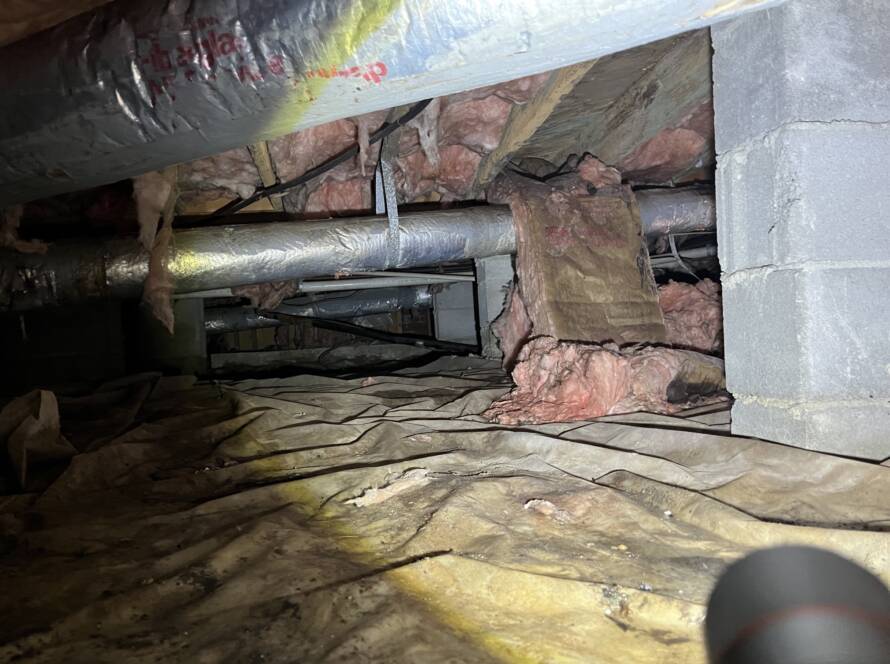
  • Consider crawl space encapsulation. In the Lowcountry’s humid climate, an unencapsulated crawl space is one of the highest-risk moisture environments in any home.

For added protection:

  • Install a sump pump with battery backup in basements or low-lying areas.
  • Insulate pipes in unconditioned spaces to reduce the risk of freeze-bursting during hard freezes that occasionally affect coastal South Carolina.
  • Seal foundation cracks with a qualified waterproofing contractor to stop groundwater intrusion before it becomes an active leak.

What Are the Seasonal Water Damage Risks in the Southeast?

Water damage risk is not evenly distributed across the calendar year.

Season

Primary Risk

What to Do

Hurricane season (Jun-Nov)

Storm surge, wind-driven rain, roof damage from tropical systems

Inspect the roof before the season; have a documented emergency response plan. Source: NOAA National Hurricane Center

Winter

Pipe freezes in attics, exterior walls, and unconditioned crawl spaces during hard freezes

Insulate exposed pipes; know where your main shutoff is

Spring

Prolonged rainfall overwhelming drainage; groundwater rising against foundations

Clean gutters; check crawl space after heavy rain

Summer

HVAC condensate drain failures from systems running under maximum load

Schedule an HVAC inspection before peak cooling season

Frequently Asked Questions About Water Damage Restoration

Will mold grow if water damage is treated quickly?

In Charleston’s climate, mold can begin establishing within 24 hours, faster than the 48-hour national guideline.

How quickly do I need to respond to water damage?


Within the first hour, and always within 24 hours. The 24-to-48-hour window determines whether you face water extraction or mold remediation. The faster professional drying begins, the lower the final cost and health risk.

Does homeowners insurance cover water damage?


Most standard homeowners’ policies cover sudden and accidental damage from internal sources, such as a burst pipe or appliance failure. Flood damage from rising water outside the home typically requires a separate flood insurance policy. BioSweep Southeast provides thorough documentation to support your claim, but coverage decisions are made by your carrier.

How long does water damage restoration take?


The timeline depends on the class of damage. Class 1 events may complete the drying phase in two to three days. Class 3 and Class 4 events may require 5 to 7 days of active drying or longer. Repair and rebuild work adds additional time based on the scope. For a full breakdown, see our guide on how long water damage restoration takes.

Will mold grow if water damage is treated quickly?


Rapid, professional response significantly reduces mold risk. When extraction and drying begin within the first few hours and drying is completed to target moisture levels, the conditions required for mold establishment are eliminated. Delay, incomplete drying, and skipping moisture mapping are what allow mold to take hold.

What is BIOSWEEP® technology and is it safe?


BIOSWEEP® is a molecular-level decontamination technology that uses hydrogen peroxide vapor, purified ozone, and hydrogen radicals to address biological contamination on non-porous surfaces. It is non-toxic, leaves no harsh chemical residue, and is used after structural drying and physical remediation are complete. BioSweep Southeast backs its decontamination work with a clear commitment: if the smell returns, so do we, at no additional charge.

What should I do first when I discover water damage?


Ensure the space is safe to enter, shut off the water source if you can do so safely, document everything with photos and video before moving anything, protect valuables and important documents, and call a certified restoration professional. Do not run your HVAC, do not use household fans as your only drying solution, and do not discard anything before documentation is complete.

Ready to Restore Your Property the Right Way?

Water damage is serious. It is also manageable when responses are fast, thorough, and handled by certified professionals who understand both the science and the Lowcountry.

BioSweep Southeast provides complete water damage restoration services across Charleston and the surrounding region: from emergency extraction and structural drying through BIOSWEEP® decontamination and full repair. Our team is IICRC-certified, locally based, and available when you need us.

If you are dealing with active water damage or if you want a professional assessment of a moisture concern before it becomes a larger problem, contact BioSweep Southeast today. Visit our water damage services page or call 843-375-6627 for an emergency response.

We don’t mask the problem. We eliminate it.
Updated April 2026

Water damage rarely announces itself with a dramatic flood. More often, it starts quietly: a soft spot in the floor, a discolored patch on the ceiling, a musty smell that refuses to leave. By the time you notice visible signs, the damage has frequently been spreading for days through subflooring, behind drywall, and into the air your family breathes.

This guide from BioSweep Southeast covers what you need to know about water damage restoration in Charleston and across the Lowcountry. Whether you are a homeowner dealing with a burst pipe, a renter navigating a landlord dispute, a property manager protecting multiple units, or a business owner facing commercial flooding, you will find a clear picture of what restoration looks like, what mistakes to avoid, and how to protect your property going forward.

For renters:

  • Notify your landlord immediately (in writing)
  • Document all damage before cleanup
  • Do not assume liability for sudden infrastructure failures

What Is Water Damage Restoration?

Water damage restoration is the professional process of extracting water, drying affected materials, disinfecting contaminated surfaces, and returning a property to a safe, livable condition. It is not simply a cleanup. It is a structured, science-driven process designed to protect both the physical structure of your property and the health of the people inside it.

Water damage restoration refers to drying, decontamination, and returning materials to a safe condition, while repair refers to rebuilding or replacing damaged materials like drywall, flooring, or cabinetry. Restoration happens first. Repair only begins once the structure is verified dry. 

A complete restoration moves through these phases in sequence:

  1. Water extraction and removal
  2. Moisture detection and structural mapping
  3. Structural drying and dehumidification
  4. Disinfection and sanitization
  5. Repair, rebuilding, and final clearance

Skipping or rushing any phase shifts the problem into the walls, floors, and air, where it becomes harder and more expensive to resolve.

What Are the Most Common Causes of Water Damage?

Water damage most commonly comes from infrastructure failures or weather events: 

Infrastructure failures:

  • Burst or leaking supply lines, especially in homes with galvanized or polybutylene plumbing
  • Appliance failures from washing machines, dishwashers, water heaters, and refrigerators
  • HVAC condensate drain overflow from clogged lines
  • Foundation cracks are allowing groundwater intrusion
  • Sewage backups from municipal line surges or tree root intrusion

If sewage backup occurs:

Category 3 water requires full containment, PPE (personal protective equipment), removal of contaminated materials, and hospital-grade disinfection. Porous materials like carpet, drywall, and insulation are typically discarded rather than dried. 

Weather-related causes:

  • Roof damage from hurricanes, tropical storms, and severe wind events
  • Storm surge and coastal flooding
  • Prolonged rainfall overwhelms drainage systems

The Lowcountry’s tidal flooding, high groundwater tables, and aging housing stock mean even a minor infrastructure failure can escalate quickly if not caught early.

What Are the Categories and Classes of Water Damage?

Water damage is classified by contamination level (category) and penetration depth (class):

Categories of Contamination

Categories of Contamination

Category

Source

Health Risk

1 (Clean Water)

Broken supply line, overflowing sink, appliance malfunction

Low, but degrades quickly if untreated

2 (Gray Water)

Washing machine discharge, dishwasher overflow, toilet overflow (urine only)

Moderate — can cause illness through contact or ingestion

3 (Black Water)

Sewage, floodwater, or standing water with bacterial/fungal growth

High — requires full PPE and specialized disposal protocols

Source: EPA Mold and Moisture

Classes of Penetration

Class

Description

1

Minimal absorption; affects only part of a room

2

Significant absorption into carpet, walls, and structural materials throughout a room

3

Saturation from above affects ceilings, walls, insulation, and flooring

4

Deeply saturated specialty materials (hardwood, concrete, plaster) require extended drying

The IICRC classification system is used industry-wide to determine the correct drying process, safety protocols, and documentation required for insurance claims. 

What Are the Warning Signs of Hidden Water Damage?

**- Musty or earthy odors 

Signs that suggest hidden moisture:

  • A persistent musty or earthy odor that no amount of cleaning resolves
  • Peeling, bubbling, or staining on paint or wallpaper near seams
  • Warped, buckled, or soft spots in flooring near plumbing fixtures
  • Discoloration or water staining on ceilings, walls, or baseboards
  • Visible mold growth, even in small patches
  • Doors or windows that suddenly stick or no longer close properly
  • Unexplained spikes in indoor humidity

If you notice soft or spongy areas underfoot, our detailed guide on signs of water damage under your floor walks through exactly what to look for and when to call a professional.

Early detection consistently leads to lower repair costs and fewer health complications. Source: CDC Indoor Environmental Quality

What Should You Do Immediately After Water Damage?

The first hour is the most consequential. Here is what to do in order:

  1. Assess safety first.
    If water is near electrical panels, outlets, or appliances, do not enter until power is off at the breaker. If you see sagging ceilings or bowing walls, leave and do not re-enter until a professional has assessed the structure. Category 3 water from floodwater or sewage contains pathogens that require protective equipment before entry.
  2. Stop the source if you safely can.
    For supply line or appliance failures, shut off the water at the main valve. If the source is a roof leak or storm intrusion, focus on protecting contents rather than stopping the source.
  3. Document everything before touching anything.
    Take photos and video of every affected area from multiple angles. Capture standing water depth, affected materials, and any visible structural impact. This documentation is essential for your insurance claim and must be created before anything is moved or removed.
  4. Protect what you can.
    Relocate valuables, important documents, medications, and electronics to a dry area. Lift rugs or small furniture to prevent further staining, but do not discard anything until your adjuster has documented it.
  5. Call a certified restoration professional as quickly as possible.
    The faster extraction and drying begin, the lower your risk of mold, structural damage, and secondary contamination.

How to Choose a Water Damage Restoration Company

Choosing the right restoration company directly impacts cost, timeline, and long-term outcomes.

What to look for:

  • IICRC certification
  • 24/7 emergency response
  • Moisture mapping and documentation
  • Insurance coordination experience
  • Clear written scope of work

Red flags:

  • No moisture readings
  • Only using fans
  • Upfront payment demands
  • No certifications

Why IICRC matters:
The IICRC sets the industry standard for safe drying and documentation. Companies that follow it reduce the risk of mold, structural damage, and claim issues.

What Are the Most Common Mistakes Homeowners Make After Water Damage?

**- Waiting too long

  • Running HVAC systems
  • Using household fans only
  • Using bleach on mold
  • Discarding materials too early
  • Skipping moisture mapping**

Even well-intentioned responses can make the situation significantly worse. These are the errors that consistently lead to larger repair bills and longer timelines.

Waiting to call for help.


Every hour of delay allows moisture to migrate deeper into structural materials and creates better conditions for mold growth. What looks minor on the surface rarely is.

Running the HVAC.


Turning on your air conditioning or heat circulates humid air through every room connected to that system and can push contamination into previously clean duct runs. Our guide on cleaning air ducts for mold covers what happens when HVAC systems are exposed to contaminated moisture.

Relying on household fans.
Consumer fans move air across surfaces but cannot extract moisture from inside walls, subflooring, and insulation. A room that feels dry to the touch can still have structural moisture well above the threshold for mold growth.

Using bleach on mold.
Bleach is a surface-level disinfectant. On porous materials like drywall and wood, it removes the visible color of mold but does not reach the root structure. Mold returns, often at higher concentrations, and bleach residue can complicate professional remediation.

Discarding materials before documentation.
Throwing out water-logged flooring, cabinets, or belongings before they have been photographed and inventoried can significantly reduce what your insurance carrier will reimburse.

Skipping moisture mapping.
Assuming a surface that looks and feels dry is structurally dry leads to hidden mold weeks or months later. Professional moisture mapping identifies where moisture is concentrated inside building materials, not just on the surface.

When DIY Works (and When It Doesn’t)

DIY may only be appropriate in very limited situations:

  • The affected area is small (typically under 10 sq ft)
  • The water is Category 1 (clean water only)
  • No structural materials (drywall, insulation, subfloor) are saturated
  • You can fully dry the area within 24 hours using proper equipment

Even in these cases, monitoring moisture levels is critical. Surface dryness does not mean the structure is dry.

Professional restoration is strongly recommended in most scenarios, including:

  • Water has reached walls, flooring, or subflooring
  • The source is Category 2 or Category 3 (gray or black water)
  • Moisture has been present for more than 24 hours
  • There is visible mold or a persistent musty odor
  • The affected area spans multiple rooms or hidden spaces

Why professional help matters:

  • Hidden moisture behind walls and under floors cannot be detected without specialized equipment
  • Incomplete drying is the leading cause of mold growth after water damage
  • Improper handling of contaminated water can create serious health risks
  • Insurance claims often require professional documentation and moisture logs

Most failed DIY attempts don’t fail immediately, they fail weeks later when mold, odor, or structural damage appears.

How Does BIOSWEEP® Technology Support Water Damage Restoration?

BIOSWEEP® uses hydrogen peroxide vapor, purified ozone, and hydrogen radicals to eliminate biological contamination at the molecular level. 

After extraction, drying, and structural repairs are complete, the goal is a building where the air and surfaces are genuinely free of the biological contamination that water events introduce.

BIOSWEEP® works through a combination of hydrogen peroxide vapor, purified ozone, and hydrogen radicals that destroy contamination at the molecular level on non-porous surfaces. The process is non-toxic, leaves no harsh chemical residue, and is safe for your family, your pets, and the environment.

In water damage contexts, BIOSWEEP® treatment addresses the microbial contamination, bacterial residue, and odor compounds that remain after physical drying and cleaning. This is particularly relevant after Category 2 and Category 3 events, where contamination is not limited to visible surfaces. BioSweep Southeast backs its odor elimination work with a clear commitment: if the smell returns, so do we, at no additional charge.

BIOSWEEP® is part of a comprehensive restoration process, not a substitute for correcting the moisture source, completing structural drying, or physically remediating active mold growth in porous materials.

What Are the Mold Risks After Water Damage?

In Charleston’s climate, mold can begin forming within 24 hours of water exposure. 

Mold is a predictable outcome when moisture is left unaddressed. In Charleston’s warm, humid climate, conditions favorable to mold establishment can develop within 24 hours, faster than the 48-hour window cited in national guidelines.

Correcting the moisture source is always the first step. Without it, mold returns regardless of what surface treatment is applied. Professional mold remediation begins with a moisture assessment, not a cleaning plan.

The health effects of mold exposure range from respiratory irritation and allergic symptoms to more serious outcomes in sensitive individuals. The EPA’s guidance is clear: controlling moisture is the only sustainable way to control mold.

If you are dealing with mold that appeared after a water event, our mold remediation overview explains what a professional process looks like. For documented baseline data on your air quality, professional air quality testing guides both remediation decisions and insurance documentation.

How Does Residential Water Damage Restoration Differ from Commercial?

Commercial restoration prioritizes business continuity, while residential restoration prioritizes occupant safety and livability. 

The science is the same in any building. The priorities differ significantly.

Residential restoration centers on the family and their daily life. Temporary relocation decisions, the weight of damaged personal property, and household disruption are part of every residential project. Communication and sensitivity to occupants matter as much as technical competence.

Commercial restoration adds layers of complexity. Business continuity is the primary concern. A flooded restaurant or office generates no revenue while closed, and every additional day of closure has a direct cost. Commercial projects typically involve larger affected areas, more complex HVAC and mechanical systems, phased work to allow partial operations, and detailed documentation for commercial insurance carriers.

How Do Insurance Claims Work for Water Damage?

What is typically covered: Standard homeowners and commercial property policies generally cover water damage that is sudden and accidental. A burst pipe, an appliance failure, or storm-driven rain entering through a damaged roof are events most policies are designed to cover.

What is typically not covered: Gradual damage from a slow leak, flood damage from rising groundwater or storm surge (which requires a separate flood insurance policy), and damage from deferred maintenance are commonly excluded.

Documentation makes or breaks claims. The photos and video you take immediately after the event, the moisture logs your restoration professional maintains throughout drying, and material removal documentation all become evidence in your claim. Restoration companies that follow IICRC protocols generate this documentation as a standard part of their process.

Coverage decisions are made by adjusters and underwriters based on policy language, not by the restoration company. What BioSweep Southeast provides is thorough, verifiable documentation that gives you the strongest possible claim foundation, along with direct coordination support to reduce the administrative burden during an already stressful time.

5-Step Water Damage Insurance Claim Checklist

  1. Document damage immediately
  2. Notify your insurance carrier
  3. Prevent further damage
  4. Get professional assessment
  5. Keep all receipts and records

How Much Does Water Damage Restoration Cost in Charleston?

Water damage restoration in Charleston typically ranges from $500 to $15,000+ depending on severity. 

Damage Level

Description

Estimated Range

Minor

Small area, clean water, limited material penetration

$500 to $1,500

Moderate

Full room or multiple areas, structural drying and material removal

$2,000 to $4,000

Major

Category 3 water, multiple rooms, structural material replacement

$5,000 to $15,000+

These figures cover restoration only. Mold remediation, if needed, is a separate cost. Our guide on mold removal cost factors explains what drives variation in that budget.

The most reliable way to understand your specific situation is a professional assessment with written documentation.

How Do You Prevent Future Water Damage?

**- Install leak detectors

  • Maintain water heater
  • Clear HVAC drain lines
  • Clean gutters
  • Grade soil away from foundation
  • Consider crawl space encapsulation
  • Install sump pump if needed**

Prevention is more affordable and less disruptive than restoration. Many of the most common water damage events in Lowcountry homes are preventable with modest investment and routine maintenance.

Inside your home:

  • Install water leak detectors near appliances, under sinks, and near the water heater. Smart sensors that alert your phone provide early warning before a small leak becomes a large one.
  • Have your water heater inspected annually and replaced proactively as it approaches the end of its rated lifespan.
  • Keep HVAC condensate drain lines clear. Our guide on off-season HVAC maintenance covers what to check and when.

Outside and at the foundation:

  • Keep gutters clean and downspouts directed away from the foundation.
  • Grade soil away from the structure so water drains away at the perimeter.
  • Consider crawl space encapsulation. In the Lowcountry’s humid climate, an unencapsulated crawl space is one of the highest-risk moisture environments in any home.

For added protection:

  • Install a sump pump with battery backup in basements or low-lying areas.
  • Insulate pipes in unconditioned spaces to reduce the risk of freeze-bursting during hard freezes that occasionally affect coastal South Carolina.
  • Seal foundation cracks with a qualified waterproofing contractor to stop groundwater intrusion before it becomes an active leak.

What Are the Seasonal Water Damage Risks in the Southeast?

Water damage risk is not evenly distributed across the calendar year.

Season

Primary Risk

What to Do

Hurricane season (Jun-Nov)

Storm surge, wind-driven rain, roof damage from tropical systems

Inspect the roof before the season; have a documented emergency response plan. Source: NOAA National Hurricane Center

Winter

Pipe freezes in attics, exterior walls, and unconditioned crawl spaces during hard freezes

Insulate exposed pipes; know where your main shutoff is

Spring

Prolonged rainfall overwhelming drainage; groundwater rising against foundations

Clean gutters; check crawl space after heavy rain

Summer

HVAC condensate drain failures from systems running under maximum load

Schedule an HVAC inspection before peak cooling season

Frequently Asked Questions About Water Damage Restoration

Will mold grow if water damage is treated quickly?

In Charleston’s climate, mold can begin establishing within 24 hours, faster than the 48-hour national guideline.

How quickly do I need to respond to water damage?


Within the first hour, and always within 24 hours. The 24-to-48-hour window determines whether you face water extraction or mold remediation. The faster professional drying begins, the lower the final cost and health risk.

Does homeowners insurance cover water damage?


Most standard homeowners’ policies cover sudden and accidental damage from internal sources, such as a burst pipe or appliance failure. Flood damage from rising water outside the home typically requires a separate flood insurance policy. BioSweep Southeast provides thorough documentation to support your claim, but coverage decisions are made by your carrier.

How long does water damage restoration take?


The timeline depends on the class of damage. Class 1 events may complete the drying phase in two to three days. Class 3 and Class 4 events may require 5 to 7 days of active drying or longer. Repair and rebuild work adds additional time based on the scope. For a full breakdown, see our guide on how long water damage restoration takes.

Will mold grow if water damage is treated quickly?


Rapid, professional response significantly reduces mold risk. When extraction and drying begin within the first few hours and drying is completed to target moisture levels, the conditions required for mold establishment are eliminated. Delay, incomplete drying, and skipping moisture mapping are what allow mold to take hold.

What is BIOSWEEP® technology and is it safe?


BIOSWEEP® is a molecular-level decontamination technology that uses hydrogen peroxide vapor, purified ozone, and hydrogen radicals to address biological contamination on non-porous surfaces. It is non-toxic, leaves no harsh chemical residue, and is used after structural drying and physical remediation are complete. BioSweep Southeast backs its decontamination work with a clear commitment: if the smell returns, so do we, at no additional charge.

What should I do first when I discover water damage?


Ensure the space is safe to enter, shut off the water source if you can do so safely, document everything with photos and video before moving anything, protect valuables and important documents, and call a certified restoration professional. Do not run your HVAC, do not use household fans as your only drying solution, and do not discard anything before documentation is complete.

Ready to Restore Your Property the Right Way?

Water damage is serious. It is also manageable when responses are fast, thorough, and handled by certified professionals who understand both the science and the Lowcountry.

BioSweep Southeast provides complete water damage restoration services across Charleston and the surrounding region: from emergency extraction and structural drying through BIOSWEEP® decontamination and full repair. Our team is IICRC-certified, locally based, and available when you need us.

If you are dealing with active water damage or if you want a professional assessment of a moisture concern before it becomes a larger problem, contact BioSweep Southeast today. Visit our water damage services page or call 843-375-6627 for an emergency response.

We don’t mask the problem. We eliminate it.
Call Now Button