
For vacation homes and beach houses, winter and other low-occupancy periods offer an ideal window to address HVAC performance, duct cleanliness, and indoor air quality. While rental activity slows, environmental factors such as humidity, moisture, and stagnant air continue to affect HVAC systems even when homes are unoccupied.
Off-season HVAC and duct maintenance typically involves inspecting, cleaning, and optimizing heating, cooling, and air distribution systems during periods of low or no occupancy. For property managers, completing this work before peak season helps reduce the risk of system failure, indoor air quality concerns, and guest complaints when occupancy increases and demand on HVAC systems rises.
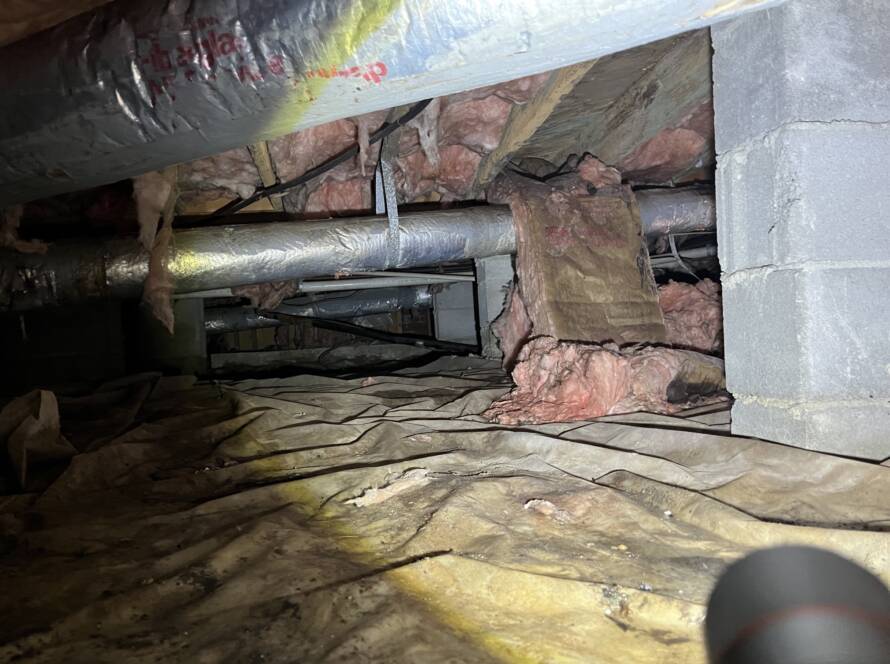
In coastal environments, HVAC systems often experience gradual moisture-related deterioration at the equipment level that is not immediately visible. Addressing these conditions proactively helps protect system components before guests return.
Why Is the off-season the Best Time for HVAC Maintenance in Vacation Homes?

The off-season allows HVAC systems to be serviced thoroughly without disrupting guests or rental schedules.
During peak rental periods, HVAC issues often require emergency response and can result in lost revenue or negative guest experiences. Off-season maintenance allows property managers to:
- Schedule detailed inspections without urgency
- Identify developing issues before system failure occurs
- Address moisture-related concerns common in coastal environments
- Avoid emergency repair costs during high-demand months
For beach houses and coastal properties, HVAC systems are exposed year-round to humidity and salt air. Winter maintenance provides an opportunity to evaluate how these environmental factors are affecting system performance before operational issues emerge during peak use.
What HVAC Problems Commonly Develop in Unoccupied Vacation Homes?
Even when a vacation home is vacant, HVAC systems and ductwork remain vulnerable to environmental conditions.
During off-season inspections, BioSweep commonly identifies issues that develop quietly in unoccupied properties, including:
- Moisture accumulation within ductwork
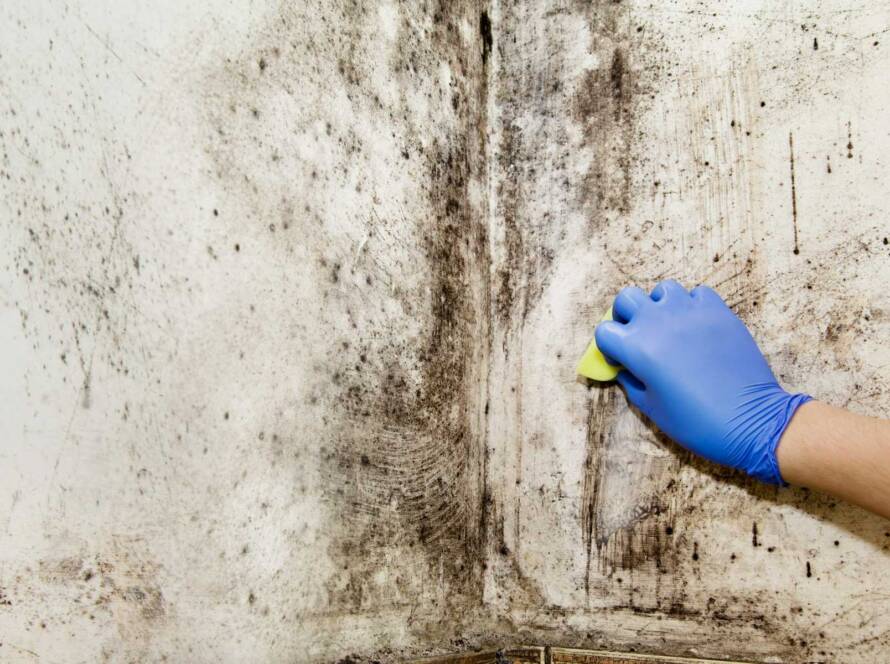
- Mold growth in air handlers or interior duct surfaces
- Corrosion on coils and HVAC components caused by salt air
- Dust and debris buildup that restricts airflow
- Odors caused by stagnant air circulation
In coastal properties, indoor relative humidity can remain above 60 percent even during cooler months. When air circulation is limited during extended vacancy, HVAC systems and ductwork can support mold growth without visible signs of water damage.
How Off-Season Duct Cleaning and Inspections Prevent Peak-Season Issues
Off-season duct cleaning and inspections help address issues that develop quietly while vacation homes are unoccupied. In low-use properties, dust, debris, and moisture can accumulate inside duct systems and remain undisturbed until HVAC systems return to regular operation.
During off-season evaluations, BioSweep technicians frequently identify duct-related issues specific to coastal and high-humidity properties, including:
- Loose or leaking duct connections
- Restricted airflow from shifted or compressed duct sections
- Insulation degradation caused by prolonged moisture exposure
- Air leaks that increase system strain once occupancy increases
Professional duct cleaning during the off season removes accumulated debris and microbial material before it is redistributed when systems return to full operation. When paired with inspections and targeted duct repairs, this approach supports consistent airflow, reduces odor-related complaints, and improves system reliability during peak season.
Can HVAC Optimization Reduce Long-Term Operating Costs?
Optimizing HVAC systems during the off-season helps improve efficiency and extend equipment lifespan.
Off-season optimization may include:
- Thermostat calibration for vacancy and efficiency settings
- Airflow balancing to reduce system strain
- Cleaning internal components to support proper heat exchange
- Moisture management to protect HVAC equipment
The U.S. Department of Energy estimates that HVAC efficiency losses caused by dirty components and airflow restrictions can increase energy use by up to 15 percent. Addressing these issues during the off season allows property managers to control operating costs while reducing wear on HVAC equipment before peak demand returns.
What Maintenance Should Property Managers Prioritize During the Off-Season?
Low-occupancy periods are well-suited for comprehensive system evaluations and corrective work, including:
- HVAC system inspections and performance testing
- Professional air duct cleaning
- Duct sealing or targeted duct repairs
- Moisture and mold assessments
- Mold spore air testing when concerns exist
Completing this work during the off season allows property managers to enter peak season with greater confidence in system reliability and indoor air quality performance.
Preparing Vacation Homes for Peak Season Starts in the Off Season
For vacation homes and beach properties, winter maintenance is an essential part of long-term property care. HVAC optimization and duct maintenance completed during low-occupancy periods reduce operational risk and support consistent system performance throughout peak season.
Proactive off-season planning helps property managers avoid emergency repairs, control energy costs, and maintain indoor environments that meet guest comfort expectations throughout peak season.
Off-Season HVAC and Duct Maintenance FAQs
Can mold grow in HVAC systems when vacation homes are vacant?
Yes. Mold can develop when moisture is present and air circulation is limited, even if the home is unoccupied. HVAC systems and ductwork are common areas where mold growth begins.
How often should air ducts be cleaned in vacation rentals?
Duct cleaning is typically recommended every 3 to 5 years, or more frequently in coastal properties, homes with high humidity exposure, or after extended vacancy.
Does off-season HVAC maintenance reduce emergency repairs?
Yes. Identifying airflow restrictions, moisture issues, or component wear during low-occupancy periods reduces the likelihood of system failure during peak rental demand.
Is winter maintenance necessary in warm coastal climates?
Yes. Even in mild winter climates, humidity and moisture continue to affect HVAC systems year-round, making off-season maintenance essential for system protection and indoor air quality control.
Schedule Off-Season HVAC and Duct Services with BioSweep
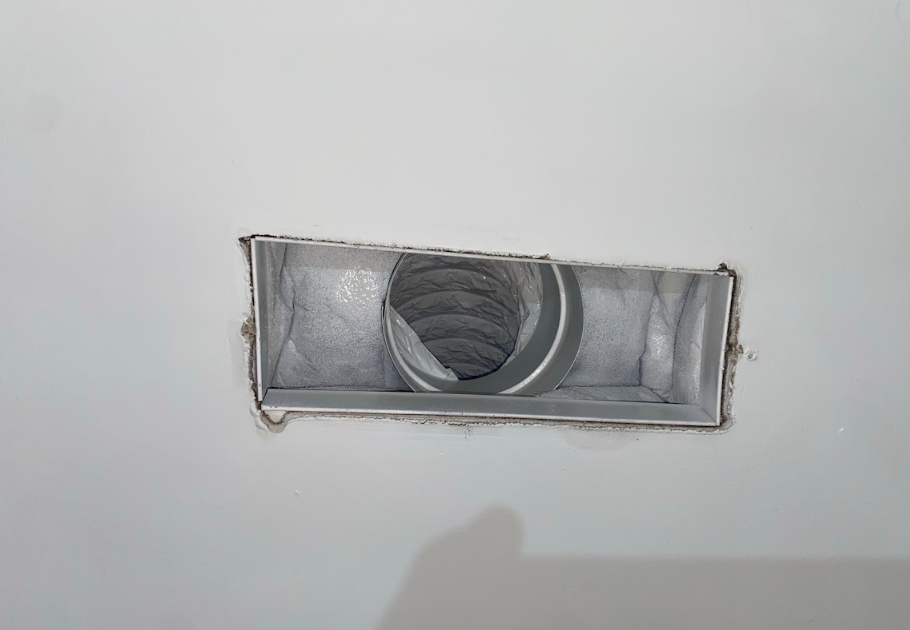
BioSweep works with property managers to complete HVAC inspections, duct cleaning, and indoor air quality evaluations during the off-season, before peak occupancy begins. Addressing moisture, airflow, and air quality concerns in advance helps reduce the risk of system failures, guest complaints, and unexpected issues once demand increases.
Property managers preparing for the upcoming season should schedule off-season evaluations early to ensure HVAC systems are ready before occupancy rises.