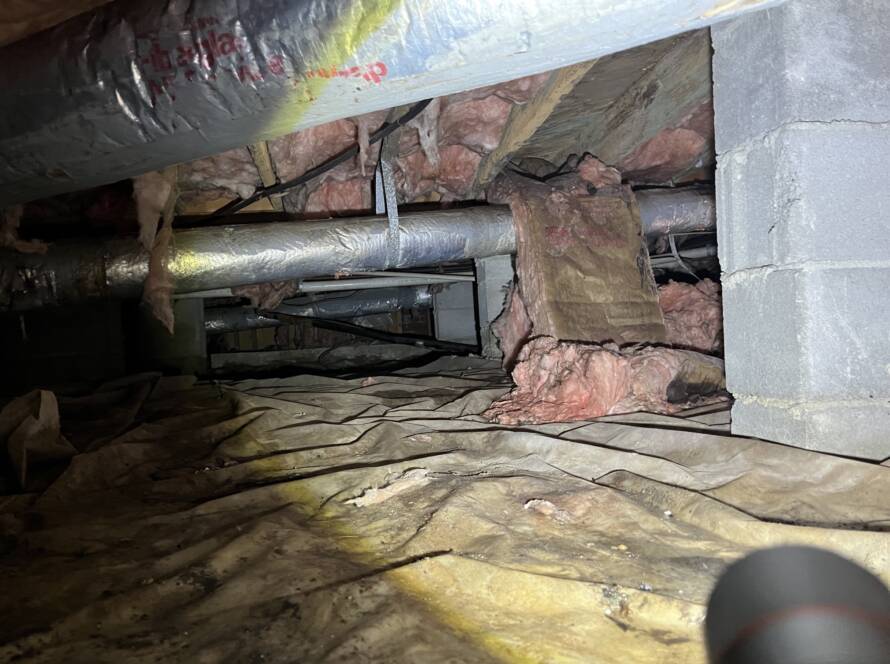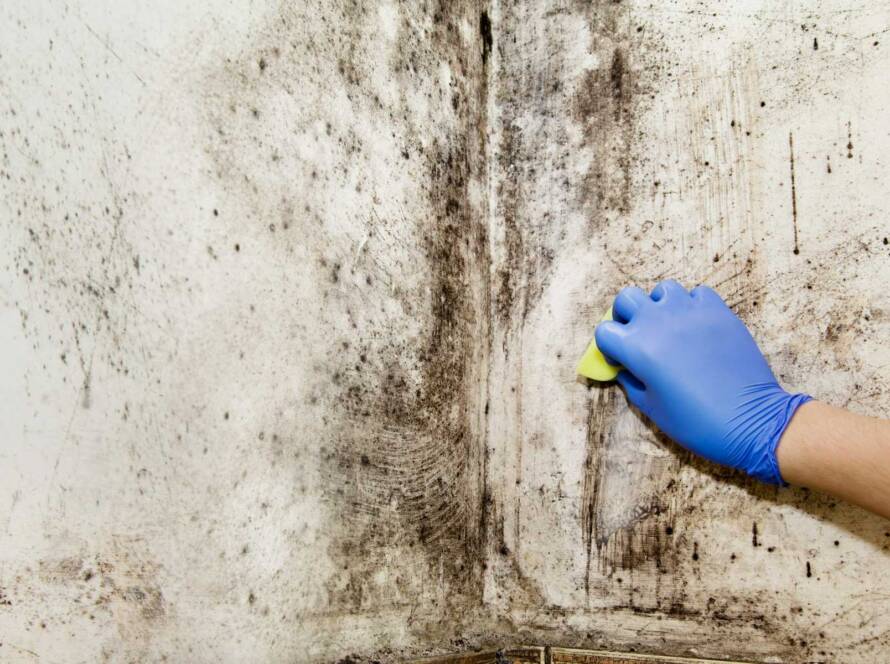

When water enters your home, it doesn’t just soak your floors. Furniture is often one of the first things affected. Whether the source is a burst pipe, storm flooding, or an overflowing appliance, the damage to your furniture can happen fast. What looks like a wet surface today can quickly become warped wood, moldy fabric, or even structural failure tomorrow.
This guide explains what happens to water damaged furniture, how different materials respond, and why professional help is the safest option for homeowners in South Carolina.
What causes water damaged furniture?
Furniture can be exposed to water for many reasons, including:
- Burst or leaking pipes
- Heavy rain, hurricanes, or flooding
- Roof or window leaks
- Dishwasher or washing machine overflows
No matter the source, once water damage seeps into wood, fabric, or padding, it sets off a chain reaction that can lead to swelling, rot, odor, and mold growth.
How does water affect wood furniture?
Wood furniture reacts to water in two key ways: swelling and warping. As wood absorbs moisture, it expands. When it dries too quickly, it shrinks unevenly, creating cracks and bends. Over time, waterlogged wood can also begin to rot.
Even solid hardwood, which is more durable than particleboard, is at risk if it remains wet for too long. Drawers can stick, joints can loosen, and finishes can peel. Particleboard and veneered furniture are especially vulnerable. Once the compressed material breaks down, it usually cannot be restored.
What happens to upholstered furniture after water damage?
Upholstered furniture is highly porous. The fabric, padding, and internal framing can all trap moisture. Within 24 to 48 hours, mold spores can begin to grow inside the cushions or fabric lining.
Signs of water damaged upholstery include:
- A musty odor that lingers even after the surface looks dry
- Visible mold or mildew spots
- Stains, sagging fabric, or changes in texture
Even if you blot the fabric or run fans, the water inside cushions and padding is difficult to remove without professional drying equipment. Attempting to save soaked upholstered items on your own often leaves hidden contamination behind.
Can leather furniture survive water damage?
Leather is durable but not waterproof. When exposed to water, leather can stiffen, crack, or lose its finish. Prolonged exposure may also cause discoloration and odor. While small spills can sometimes be cleaned, large-scale water damage requires professional treatment to preserve the leather and prevent long-term deterioration.
Why is mold such a concern with water damaged furniture?
The biggest hidden danger in water damaged furniture is mold. Mold thrives in damp, dark environments—exactly what exists inside soaked fabric, foam, and untreated wood.
Once mold begins to grow:
- It can trigger respiratory issues, allergies, and other health problems
- It weakens the furniture structure from the inside out
- It spreads quickly to other areas of the home
Because mold growth often starts where you cannot see it, many homeowners mistakenly think their furniture is safe after it “looks dry.” By the time visible signs appear, mold may already be widespread. To learn more about mold removal check out our complete mold removal guide.
Should you try to repair water damaged furniture yourself?
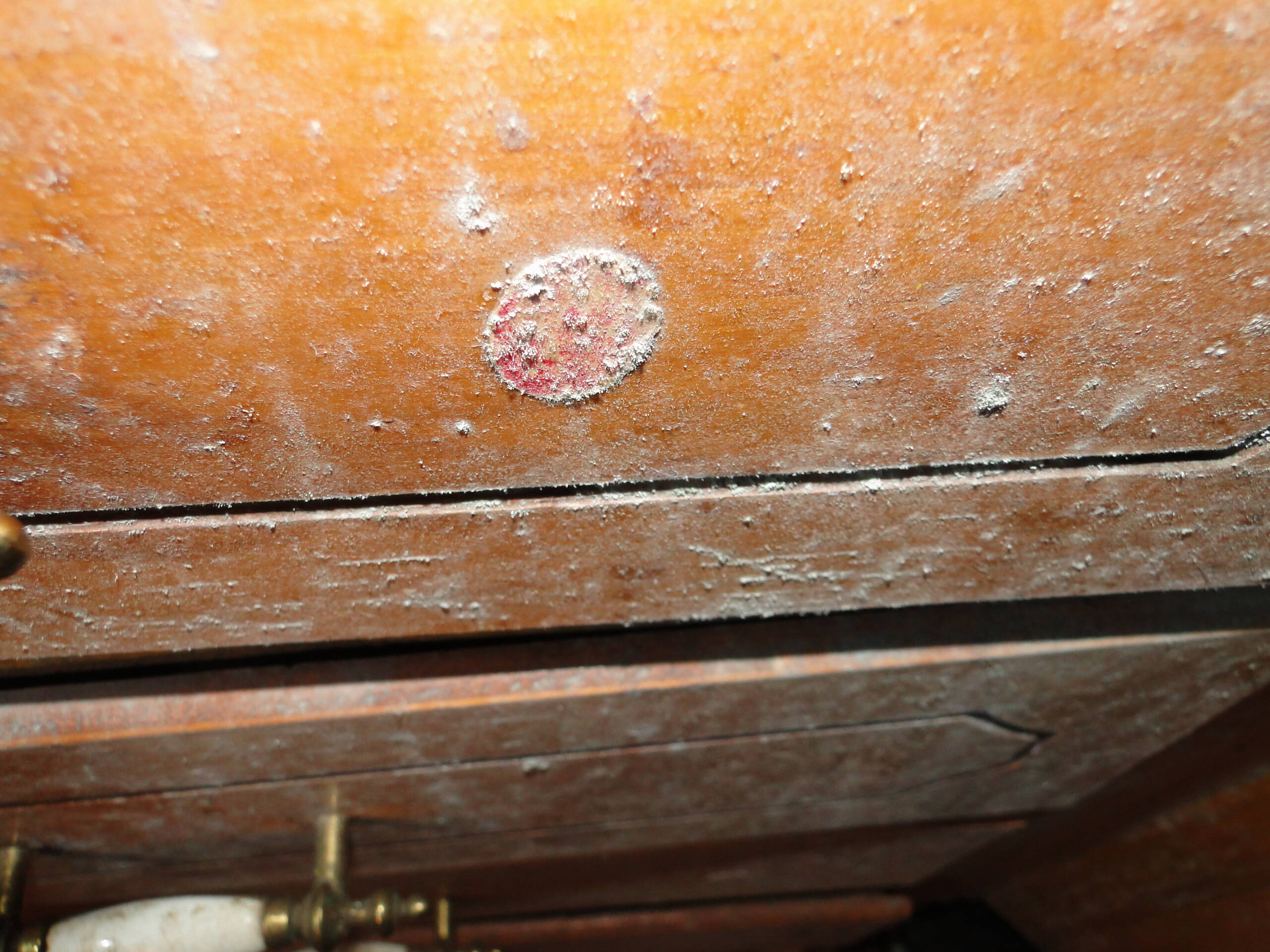
It’s natural to want to save furniture after water damage, but DIY fixes often create long-term problems. Drying wood too fast can cause warping, surface cleaning rarely removes hidden mold, and ordinary household fans cannot reach moisture deep inside fabric or cushions.
Professional restoration is the safer option. Experts have:
- Industrial drying and dehumidification tools that remove deep moisture
- Moisture meters to detect hidden water inside furniture
- Antimicrobial treatments to stop mold before it spreads
- Repair techniques for wood finishes, joints, and delicate fabrics
A quick professional assessment can also save you money by identifying what can realistically be restored versus what should be replaced.
Can any water damaged furniture be saved
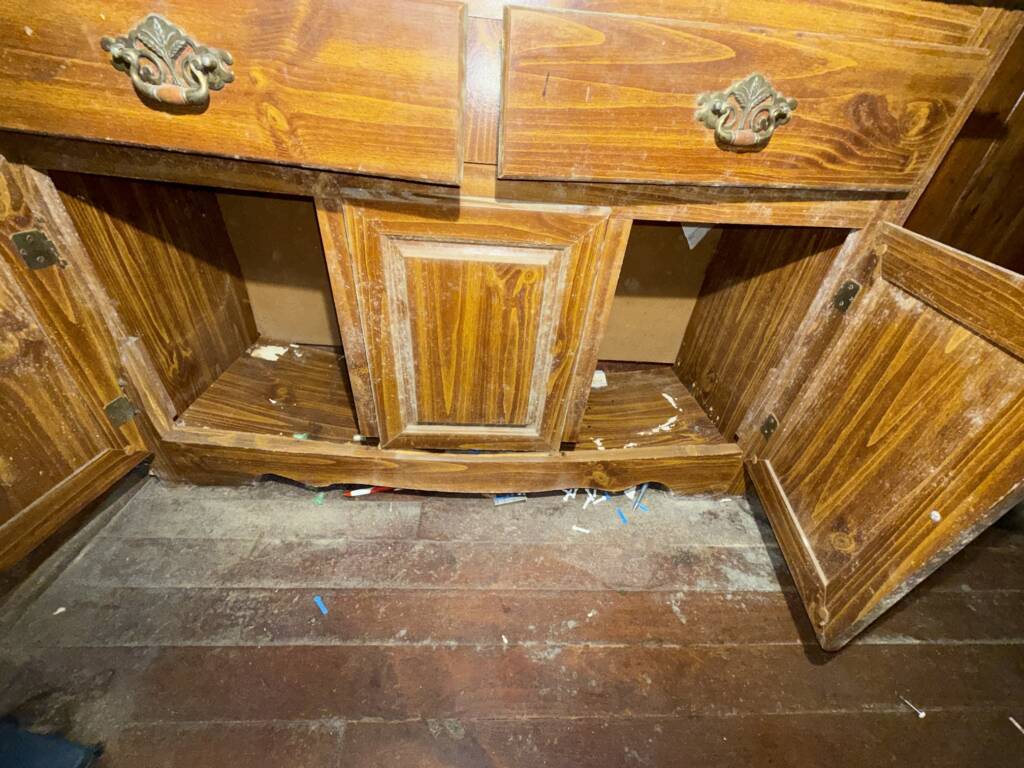
The answer depends on the material, the severity of the exposure, and how quickly you act.
- Often salvageable: solid wood furniture that hasn’t warped, leather exposed to clean water, some upholstered pieces with minor contact
- Often not salvageable: particleboard furniture, cushions soaked in floodwater, fabric with visible mold, heavily warped wood
A restoration professional can guide you through these decisions and provide documentation for insurance claims.
How can you protect furniture from future water damage?
While you can’t always prevent leaks or storms, you can reduce your risks:
- Keep furniture away from leaky windows and exterior walls
- Use waterproof coverings for valuable pieces if severe weather is expected
- Elevate furniture on blocks in flood-prone areas
- Schedule regular inspections of plumbing and roofing
If water damage does occur, move furniture out of standing water, elevate it if possible, and call a professional right away.
Take the right next step
Water damaged furniture is more than an inconvenience. It can hide mold, release odors, and create long-term health hazards if not handled properly. While it is natural to want to save as much as possible, do not risk your safety with DIY fixes.
BioSweep Southeast combines proven drying methods with advanced decontamination technology to restore homes and furniture safely. If you are dealing with water damaged furniture, our team can quickly assess what can be saved and ensure your home environment is healthy again.
Contact us today for a professional inspection and let us help you recover with confidence.