
When a traumatic incident occurs, families, property owners, and business managers are often left with an overwhelming list of responsibilities, and cleaning the scene is one of the most difficult. Crime scene cleanup requires far more than basic cleaning. It involves specialized training, protective equipment, strict safety protocols, and the ability to manage biohazard contamination with compassion and professionalism.
If you’re researching the cost of crime scene cleanup, you’ll quickly discover that pricing varies widely. Every situation is unique, and no responsible company can provide a flat rate without understanding the specific conditions on site. However, understanding how pricing works — and what may influence your total cost can help you feel more prepared during a stressful time.
Below, we break down what goes into pricing, what factors influence the final bill, and how assistance programs or insurance may help.
Why Crime Scene Cleanup Is More Specialized Than You Think
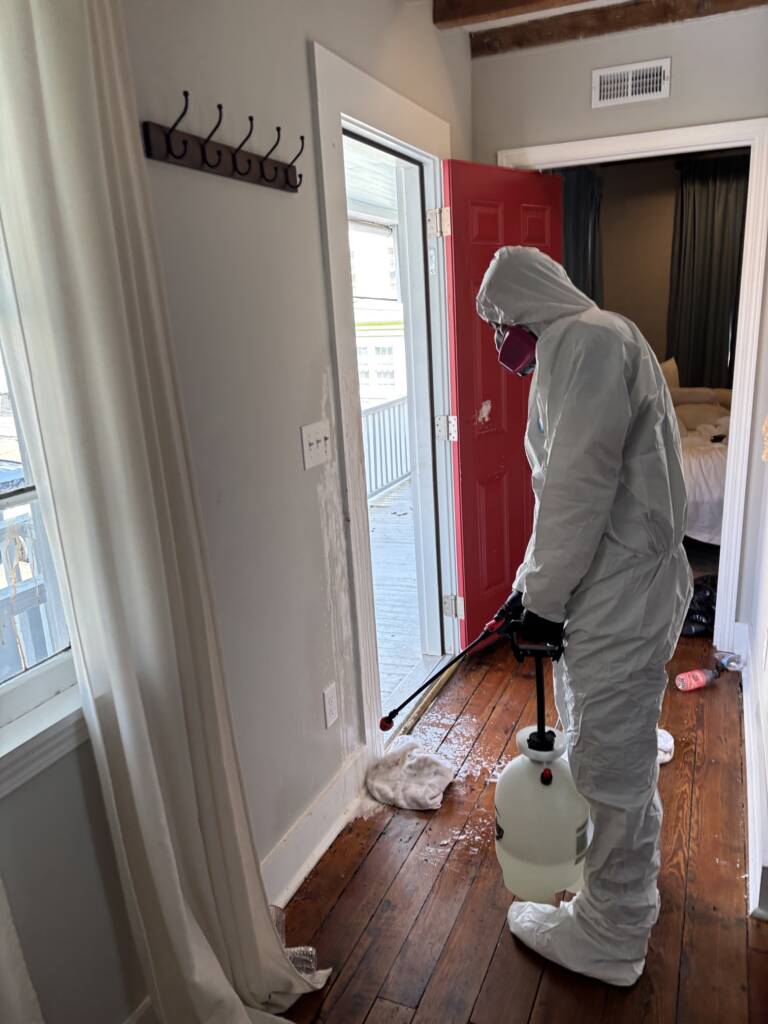
Crime scene cleanup is technically known as CTS decon (Crime and Trauma Scene Decontamination). Unlike standard cleaning, biohazard remediation must meet strict health, environmental, and safety protocols. Cleanup teams are trained in:
- Bloodborne pathogen handling
- Safe removal of biohazardous materials
- Odor remediation
- Sanitization and disinfection
- Proper disposal of hazardous waste
- Trauma-informed communication with families and survivors
This level of specialization contributes to the cost, but it also ensures the scene is fully restored and safe for re-entry.
Typical Cost Ranges — And Why They Vary So Widely
Most crime scene cleanup projects fall within a broad range of costs. A simple cleanup in one room may cost significantly less than a complex scene involving structural damage or advanced biohazard penetration.
While prices vary, many industry sources note that:
- Most scenes fall within the low to mid thousands.
- Extensive blood loss, decomposition, or multi-room contamination can increase costs.
- Large-scale events or structural damage may cost substantially more.
These numbers are not flat pricing, simply general ranges reported across the industry. Because every situation is unique, reputable companies conduct an on-site assessment before offering an estimate.
What Affects the Cost of Crime Scene Cleanup?
1. Type of Incident
Different situations require different protocols. Cleanups may involve:
- Homicide or violent trauma
- Suicide
- Unattended death or decomposition
- Biohazard contamination without a criminal act
- Property damage involving bodily fluids
- Industrial or workplace incidents
More severe contamination typically requires more labor, more containment, and more specialized equipment — all of which influence cost.
2. Amount of Biohazard Material
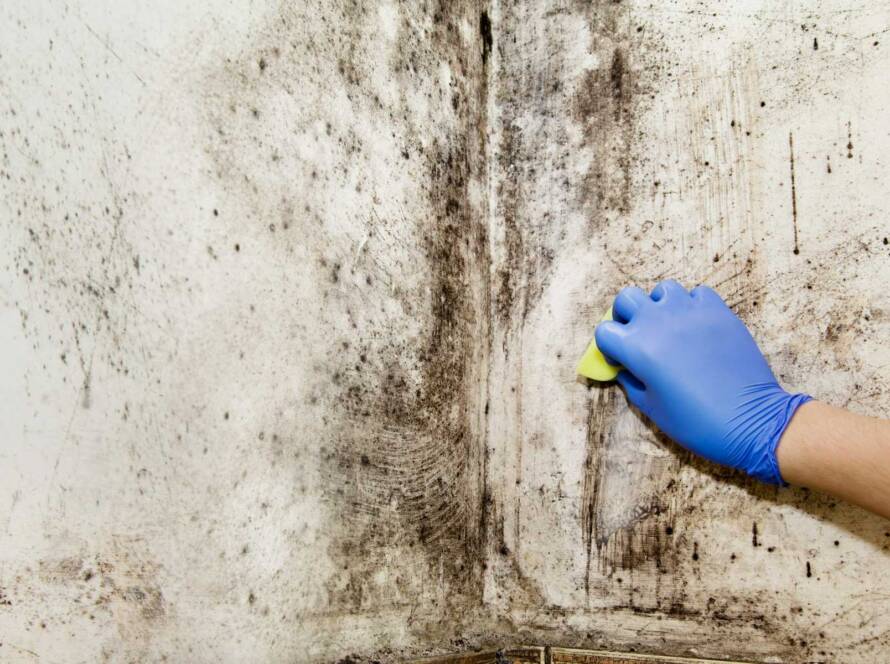
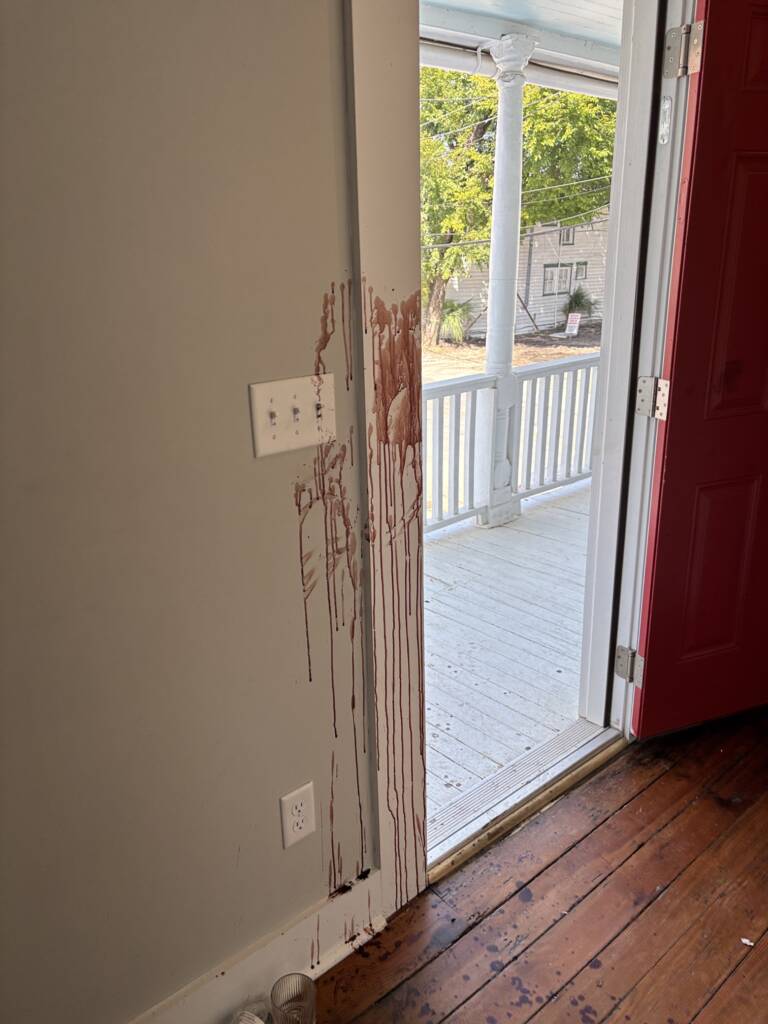
The amount and spread of blood or bodily fluids directly affects cleanup time and difficulty. In many cases, fluids seep into:
- Flooring
- Carpets and padding
- Tile grout
- Subflooring
- Walls or wall seams
- Baseboards
- Furniture
When fluids penetrate below surface level, cleanup can require carpet removal, floorboard extraction, odor remediation, or even partial demolition to ensure no hazardous material remains. More extensive remediation means a higher final cost.
3. Area Size and Number of Rooms
A single contained room requires fewer resources than contamination that spreads across multiple rooms or floors. Larger homes, multi-story buildings, or commercial properties often require more technicians and longer project timelines.
4. Odor Removal and Air Treatment
Certain events — such as unattended deaths — produce strong odors that require advanced techniques like:
- Air scrubbing
- Ozone treatment
- Hydroxyl technology
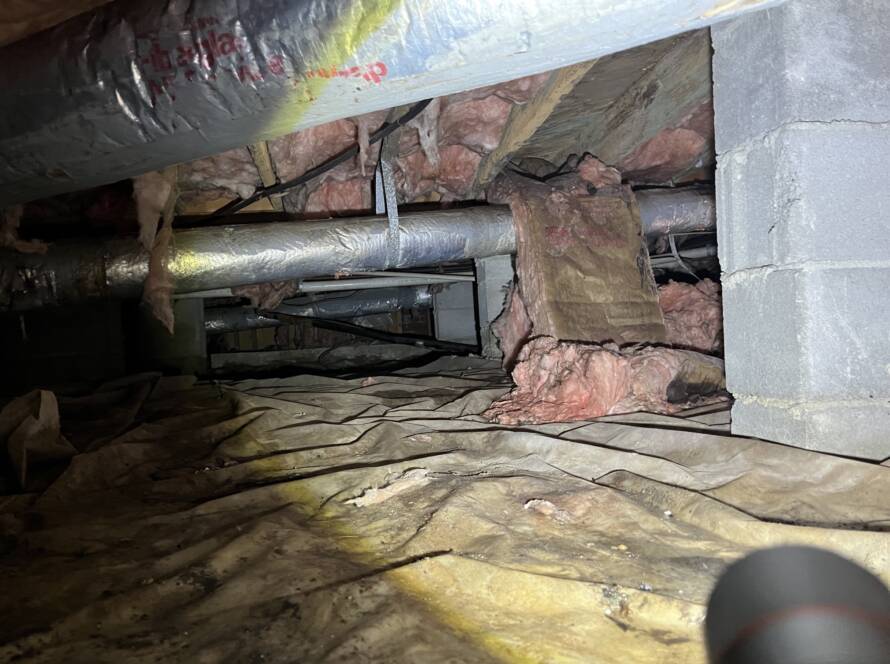
- Deep sanitization of HVAC or ducting systems (when contamination is present)
Odor removal services can increase the overall cost, depending on the severity.
5. Time Since the Incident
The longer a scene sits untreated, the more complex it may become. For example:
- Bodily fluids may seep deeper into materials.
- Odors intensify and spread.
- Insects or decomposition may be present.
- Contamination may widen beyond the original area.
Early intervention often reduces cleanup severity.
6. Structural Restoration Needs
In some cases, cleanup alone is not enough. If biohazard materials damage structural components, restoration may be required, which can include:
- Subfloor repair
- Wall replacement
- Drywall removal
- Flooring replacement
These costs vary dramatically depending on the extent of damage.
7. Hazardous Waste Disposal Requirements
All biohazard waste must be:
- Bagged in approved containers
- Transported according to state and federal regulations
- Disposed of at licensed facilities
Specialized disposal adds a standard but necessary expense to crime scene cleanup.
Is Crime Scene Cleanup Covered by Insurance?
In many cases, yes.
Homeowners, renters, auto, and business insurance policies may cover some or all of the cost of crime scene and biohazard cleanup. Coverage depends on:
- Policy type
- Deductible
- Cause of the incident
- Extent of damage
Many reputable cleanup companies can assist with filing claims or work directly with insurance adjusters.
Additionally, certain cases, such as homicides, may qualify for funding through Crime Victim Compensation Programs. These programs vary by state but may reimburse families for some cleanup expenses after other available resources are applied. Some programs offer a set reimbursement limit specifically for scene cleanup.
Why Hiring a Professional Cleanup Company Matters
Crime scene cleanup is physically, emotionally, and mentally demanding. Professional teams not only restore the space but also handle the process with discretion and compassion.
A qualified team brings:
- Fast response times are especially crucial in preventing the spread of contamination.
- Proper protective equipment to prevent exposure.
- Certified technicians trained in OSHA, EPA, and industry safety standards.
- Compassionate communication, understanding that survivors are dealing with trauma.
- A thorough, documented process that ensures the property is fully restored and safe.
Choosing the right company is just as important as understanding cost. Look for teams who are transparent, trained, and experienced, and who recognize the sensitivity of the situation.
What Happens During a Crime Scene Cleanup?
While each case is different, most cleanups follow a structured workflow:
- Assessment — Technicians inspect the scene and identify all affected areas.
- Containment — Barriers are installed to stop cross-contamination.
- Biohazard Removal — Fluids and affected materials are safely removed.
- Cleaning & Disinfection — Hospital-grade agents are used to sanitize the space.
- Odor Treatment — Equipment removes odors at a molecular level.
- Final Clearance — The area is inspected for safety and cleanliness.
This process protects both occupants and technicians from the health risks associated with bloodborne pathogens and decomposition.
Final Thoughts: What to Expect When Budgeting for Cleanup
The cost of crime scene cleanup depends on the unique circumstances of every case — the type of incident, the amount of contamination, the size of the affected area, and the required restoration all play a role. It’s impossible to provide a one-size-fits-all cost, but most projects fall within a general range unless the damage is extensive.
At BioSweep, we understand that crime scene cleanup isn’t just a technical service — it’s an emotional moment. Families, property owners, and businesses are often in shock, overwhelmed, or unsure of what to do next. That’s why our team approaches every scene with sensitivity, professionalism, and absolute discretion.
When you call BioSweep, you receive:
- Certified crime scene and biohazard remediation experts trained to meet OSHA and EPA standards.
- Advanced cleaning and decontamination technology, including our proprietary APO system, which uses vaporized hydrogen peroxide, purified ozone, and hydrogen radicals to eliminate harmful pathogens.
- Fast response times, helping prevent deeper contamination and reducing overall restoration needs.
- Guidance through insurance claims, including documentation, communication with adjusters, and support in cases where Crime Victim Compensation Programs may help reimburse your costs.
- Complete restoration, ensuring your property is not only cleaned but returned to a safe, odor-free, and habitable environment.
Most importantly, you’re treated with compassion. Our technicians understand the emotional impact of trauma scenes and work quietly, respectfully, and efficiently to relieve your burden during an incredibly difficult time.
If you need help understanding the potential costs of your situation or the next steps to take, BioSweep is here to support you from the initial call through to full restoration. You don’t have to navigate this alone — reach out anytime, and our team will guide you through the process with care and professionalism.