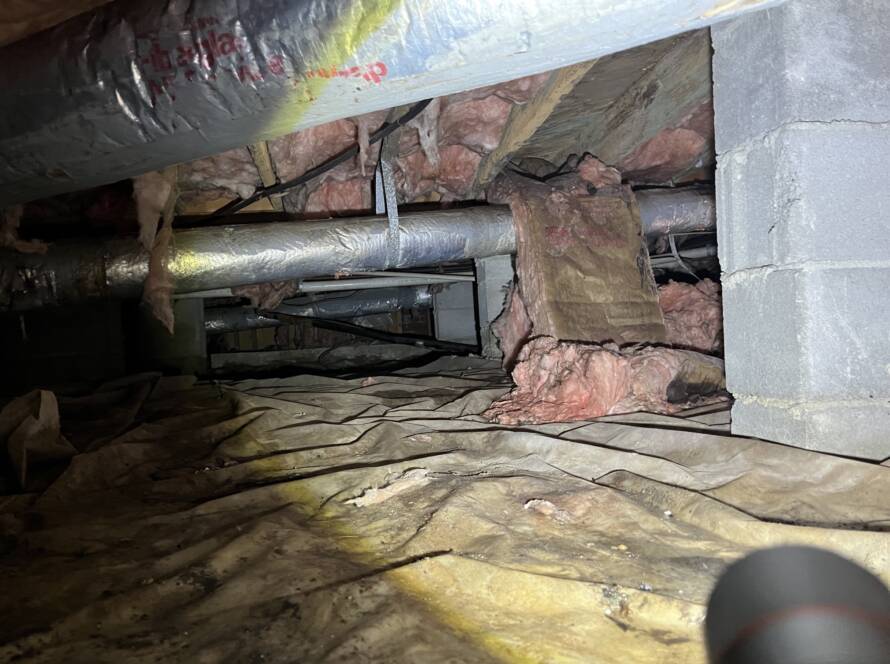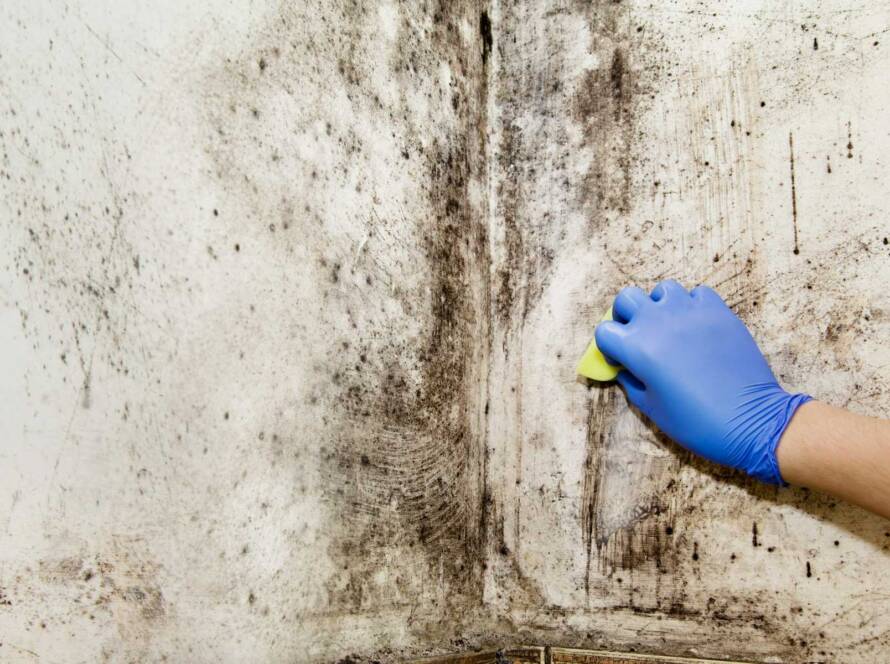

Green mold may not look as alarming as thick black patches or bright orange growths, but make no mistake, green mold is a serious threat to your property and your health. In 2025, rising humidity, aging homes, and increased moisture intrusion have made green mold one of the most common and rapidly spreading indoor contaminants across residential and commercial buildings.
Because green mold can grow behind walls, inside HVAC systems, beneath flooring, and within insulation, it often goes unnoticed until the contamination becomes significant. Effective green mold remediation requires professional detection, safe containment, and complete removal — not surface-level cleaning or temporary fixes.
If you’ve spotted green discoloration or noticed musty odors, here’s what you need to know about identifying green mold, understanding its health impacts, and why professional remediation is the only safe solution.
What Is Green Mold?
“Green mold” isn’t a single species. Instead, it refers to molds that appear green or greenish-olive due to their spores and growth patterns. The three most common species responsible are:
Cladosporium
A dark green to blackish mold commonly found on:
- Bathroom walls
- Window frames
- Upholstery
- Painted surfaces
- Damp wood
Cladosporium spreads quickly and frequently causes respiratory irritation.
Aspergillus
Often greenish-yellow, this mold thrives in:
- HVAC systems
- Damp insulation
- Areas with stagnant air
Certain strains produce mycotoxins, which can become airborne and circulate throughout the building.
Penicillium
Known for its blue-green color, Penicillium grows on:
- Wet drywall
- Carpets
- Wallpaper
- Behind walls
While well-known in medicine, exposure to indoor Penicillium can lead to allergic reactions and infections in sensitive individuals.
These molds reproduce through microscopic spores that travel through air currents, making early detection and containment essential.
Where Green Mold Typically Appears
Green mold grows anywhere moisture and organic material coexist. Common hotspots include:
Bathrooms
High humidity and poor ventilation create perfect conditions for:
- Grout
- Caulking
- Ceilings
- Under vanities
Kitchens
Water intrusion under sinks or behind appliances often leads to mold on:
- Drywall
- Cabinet bases
- Subflooring
Basements
Because basements naturally retain moisture, green mold frequently grows on:
- Concrete walls
- Wood framing
- Insulation
Attics
Roof leaks and condensation encourage mold on:
- Rafters
- Roof sheathing
HVAC Systems
One of the most dangerous locations — because spores circulate through:
- Vents
- Filters
- Duct linings
If mold is growing inside a ventilation system, it can impact every room in the property.
How to Identify Green Mold Early
Green mold can be subtle at first, and many homeowners confuse it with mildew or harmless staining. Early signs include:
Visual Indicators
- Fuzzy, velvety, or slimy green patches
- Colors ranging from mint to olive to blue-green
- Spread near water sources or humidity zones
Odors
A musty, earthy smell is one of the most reliable early indicators, especially when no mold is yet visible.
Surface Damage
Green mold often causes:
- Peeling paint
- Softened drywall
- Warped wood
- Stained flooring
Hidden Colonies
Even if you spot only a small patch, growth may be much larger behind:
- Wallpaper
- Carpets
- Baseboards
- Wall cavities
Because mold often grows where you can’t see it, professional inspection is essential.
Professional Inspection: Why It Matters
Green mold is unpredictable — two walls side-by-side may show very different levels of contamination. A professional assessment identifies the full extent of growth and the moisture source that caused it.
Certified inspectors use:
- Air sampling to measure airborne spore levels
- Thermal imaging to detect moisture behind surfaces
- Moisture meters to pinpoint unseen leaks
- Lab testing to identify mold species, if necessary
This data ensures that remediation targets all affected areas, not just what’s visible.
Green Mold vs. Other Mold Types
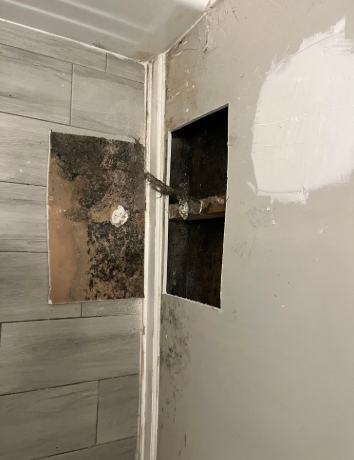
Many people assume green mold is minor compared to black mold — but that’s a misconception.
Here’s how green mold compares:
| Mold Type | Color | Typical Locations | Health Risks | Growth Rate |
| Green Mold (Cladosporium, Aspergillus, Penicillium) | Green, olive, blue-green | Bathrooms, basements, HVAC | Respiratory issues, allergies, possible mycotoxins | Fast |
| Black Mold | Dark green/black | Wet drywall, ceilings | Severe toxicity, neurological symptoms | Slow but aggressive |
| White Mold | White, powdery | Wood, fabric | Allergies, respiratory irritation | Rapid |
| Blue Mold | Blue-teal | Food, wallpaper | Moderate toxicity | Moderate |
Takeaway: Green mold may not always be as toxic as black mold, but it spreads quickly, damages structures, and can compromise indoor air quality.
Health Risks of Green Mold Exposure
Green mold exposure can affect anyone — but children, seniors, and individuals with respiratory conditions are especially vulnerable.
Common Health Symptoms
- Coughing and wheezing
- Nasal congestion
- Throat irritation
- Sneezing and sinus pressure
- Skin rashes
- Red or itchy eyes
Long-Term Exposure Risks
- Asthma attacks
- Chronic bronchitis
- Recurrent sinus infections
- Hypersensitivity pneumonitis
HVAC-Related Exposure
When green mold colonizes ducts, its spores spread throughout the home or workplace, continuously exposing occupants.
If symptoms worsen while indoors or improve when away from the property, mold may be the cause.
Why DIY Mold Cleaning Is Unsafe and Ineffective
Although the internet is full of DIY mold advice, green mold remediation should never be attempted without professional training. Here’s why:
- Surface cleaning only removes visible mold — hidden colonies remain.
- Bleach and household cleaners cannot effectively reach mold that is embedded in porous materials.
- Improper cleaning spreads spores into air vents and other rooms.
- DIY attempts often worsen the contamination and increase health risks.
- Mold returns quickly when moisture sources aren’t professionally addressed.
EPA guidelines recommend professional remediation for any area larger than 10 sq. ft., and for any contamination involving HVAC systems, attics, crawl spaces, or recurring moisture.
What Professional Green Mold Remediation Involves
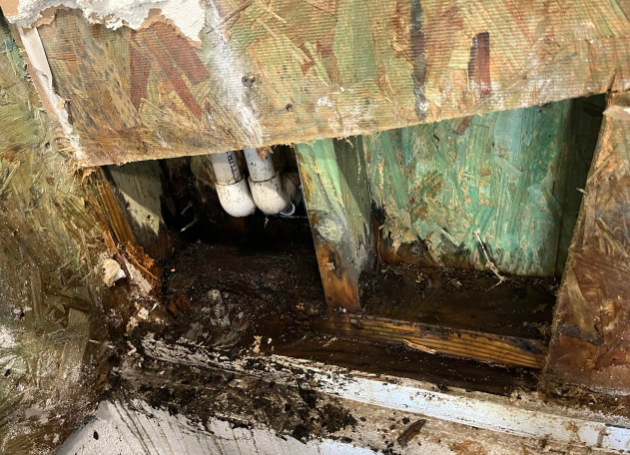
Professional remediation is a multi-stage, controlled process designed to eliminate mold safely while preventing cross-contamination.
A reputable remediation team will:
1. Identify the root moisture problem
Leaks, condensation, humidity, or building defects must be corrected to prevent mold from returning.
2. Establish containment zones
This prevents spores from spreading into clean areas.
3. Use negative air pressure machines
Air is pulled out of the containment area through HEPA filters.
4. Remove contaminated materials
Porous surfaces, such as drywall, insulation, carpet, or fiberboard, may need to be discarded if mold has penetrated deeply.
5. Apply antimicrobial and mold-inhibiting treatments
Professionals use approved products designed to neutralize spores and prevent regrowth.
6. Perform air cleaning and HEPA vacuuming
This removes airborne spores and improves indoor air quality.
7. Conduct post-remediation verification
Testing ensures mold levels return to safe conditions.
Professional work not only removes current growth but protects your property long-term.
When to Call a Professional Immediately
Seek professional remediation if:
- Mold covers more than 10 sq. ft.
- You smell mold but cannot see it
- Mold returns after cleaning
- Drywall, flooring, or framing shows damage
- HVAC systems show visible mold
- Occupants experience persistent health symptoms
- A real estate transaction requires clearance
Green mold spreads fast — don’t give it time to take over structural materials.
Final Thoughts: Protect Your Property with Proper Green Mold Remediation
Green mold is more than a cosmetic issue; it’s a sign of moisture intrusion, hidden contamination, and potential health risks. Quick action and professional remediation are the only effective ways to remove it safely.
With advanced inspection tools, strict containment protocols, and science-based remediation techniques, professionals can effectively eliminate green mold at its source and restore a safe and healthy indoor environment.
If you suspect green mold in your home or business, don’t take chances.
Contact us right away and protect your property before the damage spreads.