
A fire-damaged property is one of the most overwhelming situations a homeowner or business owner can face. In just minutes, a structure fire can destroy belongings, compromise building safety, and leave behind hazardous smoke, soot, and water damage. And long after the flames are extinguished, the emotional and logistical challenges begin.
Whether you’re dealing with a small kitchen fire, a multi-room blaze, or a large commercial loss, knowing what steps to take next is essential for protecting your property — and your well-being. This guide breaks down what happens after a fire, how restoration works, and how BioSweep’s advanced technologies help restore your property safely, thoroughly, and with compassion.
Understanding the Impact of a Fire-Damaged Property
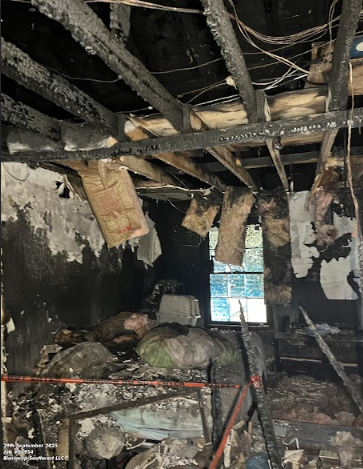
More than 350,000 structure fires occur each year in the United States. Beyond the visible burn damage, fires also create:
- Hidden structural weaknesses
- Smoke and soot contamination
- Lingering odors that penetrate deep into materials
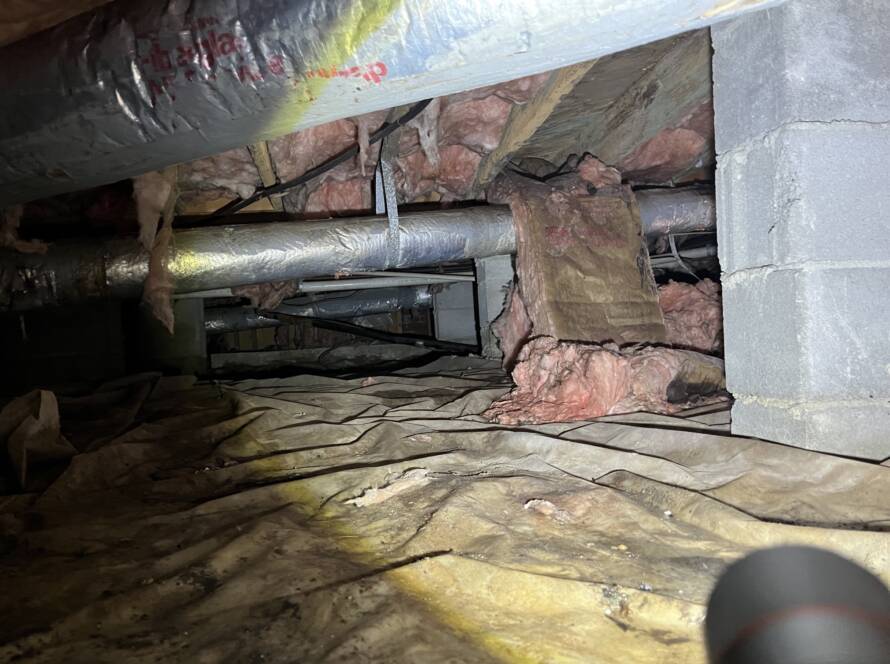
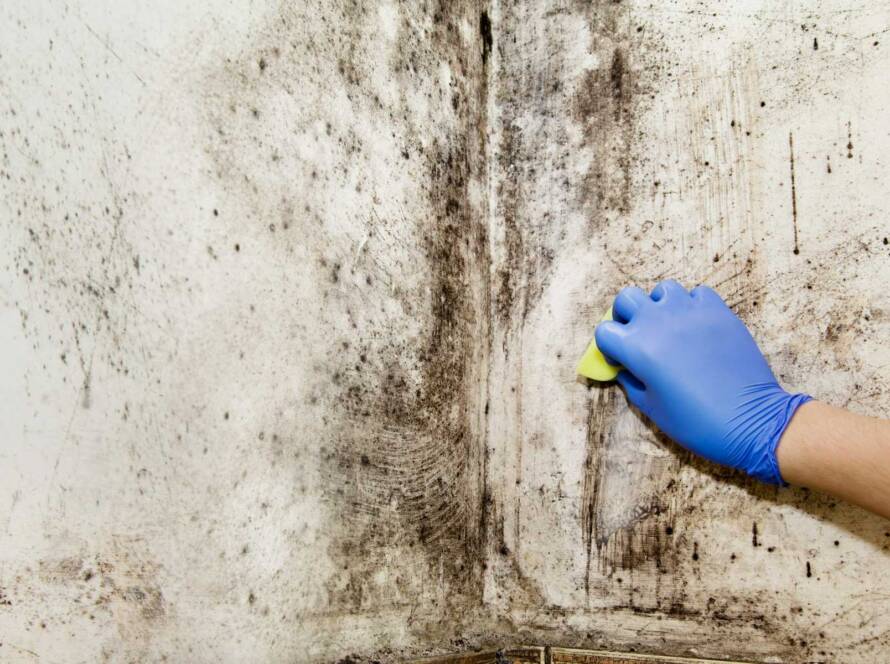
- Mold growth from firefighting water
- Air quality hazards that linger long after the fire
A fire-damaged property is far more complex than charred walls. Even seemingly “clean” rooms can contain toxic soot particles, and porous materials can trap harmful residues that affect indoor air quality long-term.
This is why professional restoration is not optional — it’s critical.
Step 1: Contact Your Insurance Company Immediately
Please notify your insurance provider as soon as possible. They will:
- Begin the claims process
- Advise you on temporary housing
- Document the damage
- Recommend an initial course of action
Keep receipts for every expense related to the fire. Many homeowners don’t realize how much of their day-to-day life can be reimbursed.
Step 2: Secure the Property
Once the fire department declares the building safe to enter, the structure should be secured to prevent:
- Weather damage
- Trespassing
- Animal intrusion
- Additional safety hazards
This may include boarding up windows, covering roof openings, and installing physical barriers. BioSweep teams can help quickly stabilize affected areas during the earliest stages of recovery.
Step 3: Assess the Damage — Visible and Hidden
Fire damage isn’t always obvious. While scorched areas are easy to spot, smoke and soot travel everywhere — behind walls, into HVAC systems, and into porous materials like drywall, insulation, and flooring.
A full assessment includes reviewing:
- Structural integrity (walls, beams, studs, subfloors)
- Smoke damage on surfaces and deep into materials
- Water damage from suppression efforts
- Possible mold growth
- Lingering odors that persist long after cleaning
Fire restoration requires a trained eye and professional testing equipment — especially when determining if a structure is safe to rebuild.
Step 4: Understand the Health & Safety Risks
After a fire, the property contains numerous hazards:
- Soot particles (linked to respiratory issues and long-term health effects)
- Chemicals released by burning materials
- Water-soaked areas are vulnerable to mold
- Weakened or unstable floors, stairs, and ceilings
DIY cleanup is extremely dangerous. Without proper protective equipment, industrial-grade cleaners, and safe disposal procedures, homeowners risk serious exposure to toxins.
Step 5: Begin Professional Cleanup and Decontamination
This is where BioSweep provides unmatched expertise.
Cleaning a fire-damaged property requires more than wiping soot off surfaces. It involves a specialized, multi-stage process including:
• Soot and Smoke Removal
Soot embeds itself into walls, ceilings, floors, wiring, vents, and insulation. BioSweep teams use industry-approved techniques to remove residues without spreading contamination to clean areas.
• Water and Moisture Mitigation
Water from fire suppression can cause extensive secondary damage. BioSweep focuses on:
- Moisture removal
- Drying and dehumidification
- Preventing mold growth before it starts
• Odor Elimination with Advanced APO Technology
This is where BioSweep stands apart from traditional fire restoration companies.
Our proprietary Advanced Photocatalytic Oxidation (APO) technology produces:
- Vaporized hydrogen peroxide
- Purified ozone
- Highly reactive hydrogen radicals
This combination destroys odor molecules at the molecular level — not just masking them. It penetrates deep into materials where smoke odors hide, delivering an exceptionally thorough deodorization process.
• Air Quality Restoration
Fire-damaged properties often suffer from contaminated air long after the visible cleanup is complete. BioSweep ensures your environment is healthy again, not just visually clean.
Step 6: Sorting, Salvaging, and Disposal
Some belongings can be saved — others must be discarded.
Professionals evaluate materials based on:
- Level of charring
- Smoke penetration
- Water damage
- Odor absorption
- Safety concerns
Metal, glass, ceramics, and some electronics may be restorable. Paper, fabrics, insulation, and porous furniture are often not salvageable.
BioSweep’s team handles these decisions with compassion, communicating clearly and respectfully.
Step 7: Structural Repairs and Rebuilding
Once the site is cleaned and safe, your property moves into the rebuilding phase. This can include:
- Replacing damaged framing
- Installing new drywall, flooring, and insulation
- Repairing roofing or siding
- Restoring electrical and plumbing systems
- Bringing the home up to modern building codes
BioSweep works seamlessly with your contractor or restoration team to ensure every repair occurs in a safe, fully decontaminated environment.
Why Fire Damaged Properties Require a Specialized Response
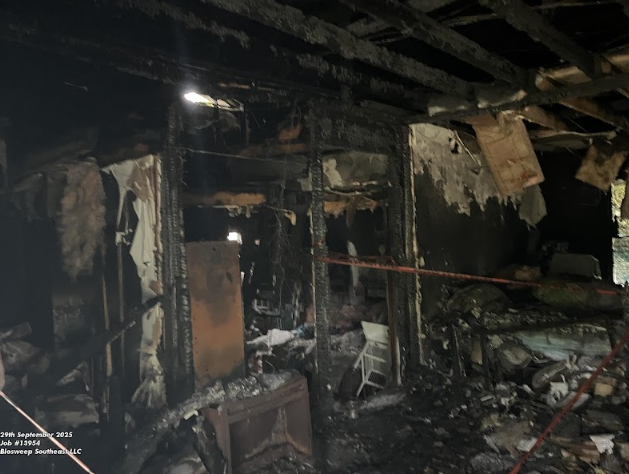
Many contractors, investors, and even real estate professionals underestimate the complexity of fire-damaged structures. The presence of:
- Soot
- Water
- Mold risk
- Compromised air
- Structural instability
…makes these jobs fundamentally different from standard renovations.
BioSweep understands these layers and knows how to restore stability, health, and safety efficiently and effectively.
How BioSweep Supports You Through Every Stage of Recovery
Dealing with a fire-damaged property is emotionally exhausting. You’re not just cleaning a building, you’re trying to reclaim a part of your life.
BioSweep stands beside you through the entire process:
• Fast, Compassionate Response
Our teams mobilize quickly because we know every hour matters.
• Advanced Technology That Goes Beyond Surface Cleaning
APO technology eliminates odors, pathogens, smoke molecules, and contaminants that traditional cleaning methods can’t reach.
• Experienced Fire & Smoke Remediation Specialists
Every technician is trained in biohazard protocols and structural safety.
• Insurance Guidance and Documentation
We help streamline the claims process and provide detailed reports for adjusters.
• Complete Restoration Pathway
From initial assessment to final air purification, BioSweep ensures your property is safe, healthy, and ready for rebuilding.
Final Thoughts: You Don’t Have to Face Fire Damage Alone
A fire-damaged property can make you feel overwhelmed, but recovery is absolutely possible with the right support. With BioSweep’s advanced technology, expert technicians, and compassionate approach, your property can be restored more quickly, safely, and thoroughly.
Whether you’re a homeowner, property manager, contractor, or investor, BioSweep provides the tools, expertise, and guidance you need to move forward after a fire.
When you’re ready to take the next step toward restoring your space, contact us, BioSweep is here helping you reclaim safety, comfort, and peace of mind.