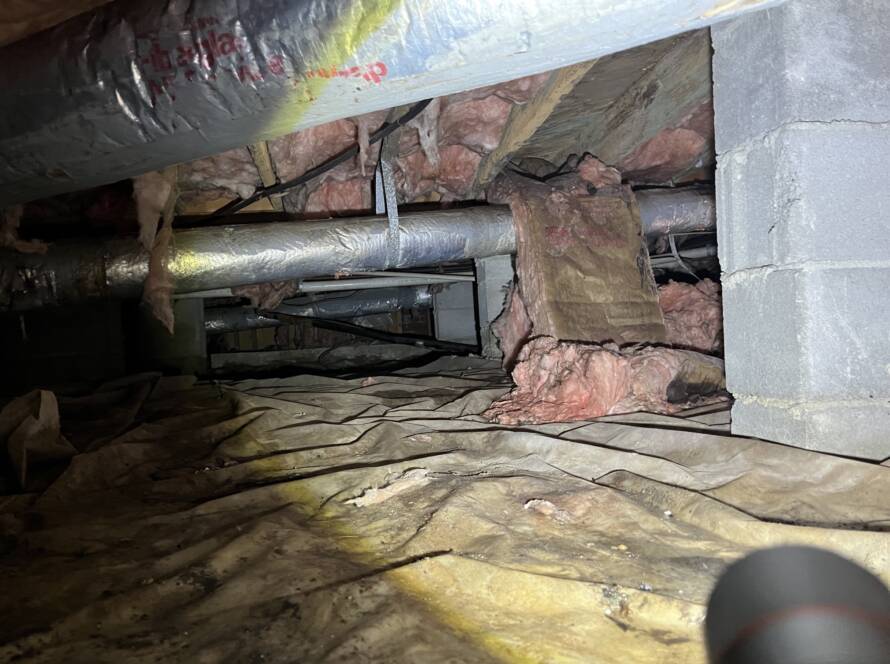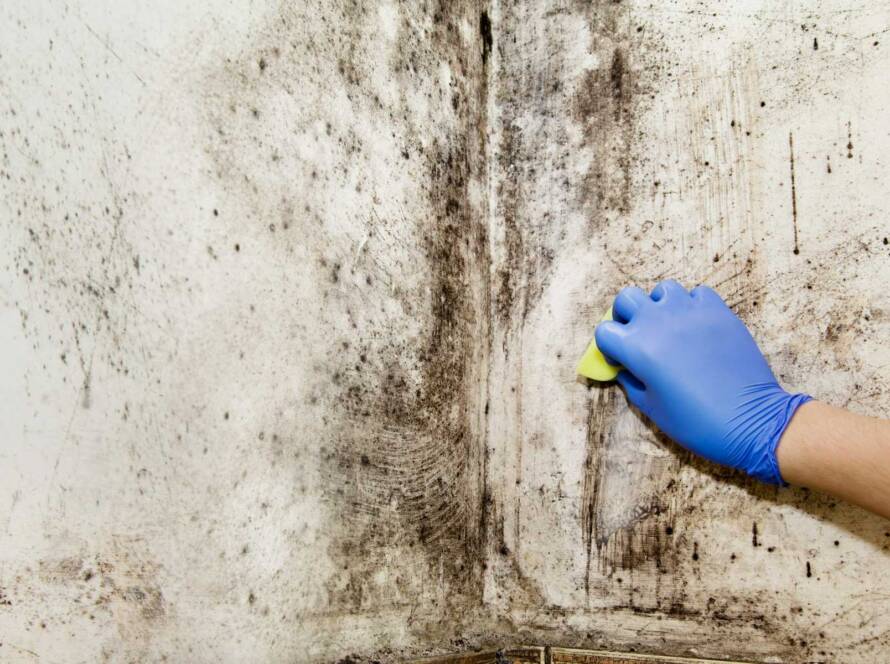

You’ve fixed the leak, removed damaged materials, and completed mold remediation. But how can you be sure your home’s air is truly safe to breathe?
Post-remediation testing, also known as air quality verification, helps confirm that the cleanup was successful and that your indoor environment has returned to normal. Here’s what every homeowner should know before requesting testing, and how BioSweep Southeast ensures lasting results.
There’s No “Zero Mold” Standard
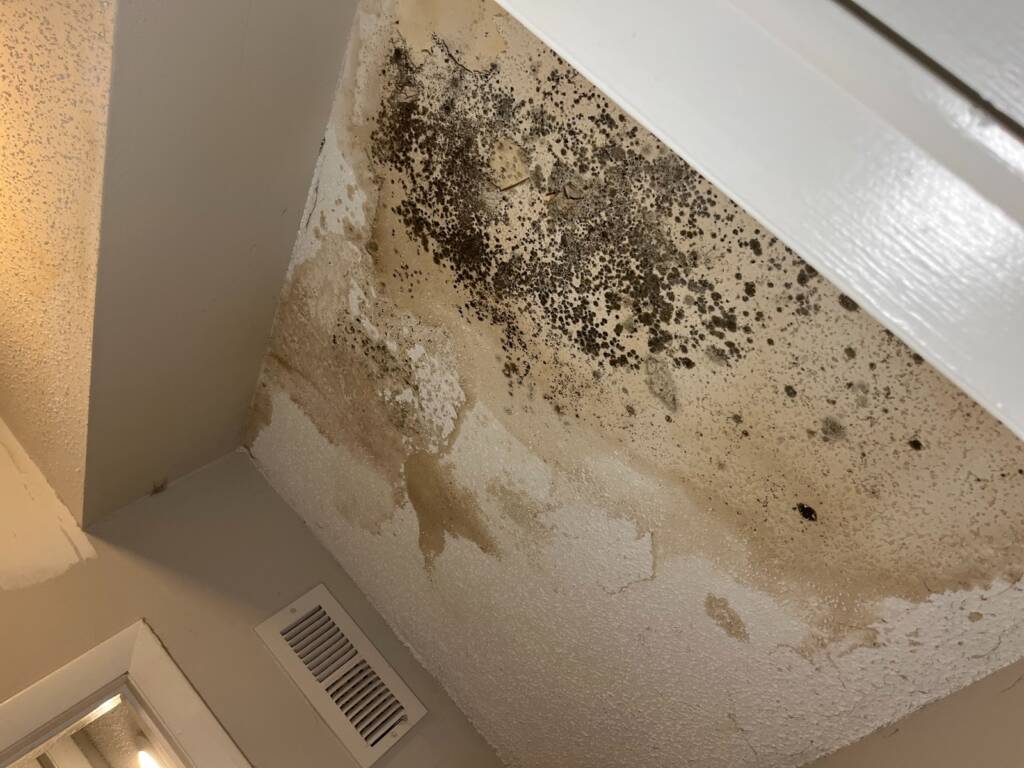
It’s important to understand that no indoor space is completely free of mold spores. They exist naturally both indoors and outdoors. According to the CDC and NIOSH, there are no health-based numerical standards for mold in indoor air. Instead, testing should confirm that spore levels inside are similar to or lower than those in outdoor air and that visible growth and musty odors are absent.
A truly safe home is dry, clean, and odor-free, not necessarily one with “zero” spores in the air.
What Post-Remediation Testing Should Include
After mold removal, testing should verify that moisture problems have been resolved and the area is visually clean. A thorough post-remediation verification (PRV) typically involves four steps:
1. Moisture Check
Your home should be completely dry. A moisture meter reading should confirm that all affected materials are below acceptable moisture levels. If water intrusion isn’t fixed, mold can return even after cleaning.
2. Visual & Odor Inspection
Inspectors look for any signs of remaining dust, discoloration, or mold growth. The area should also be free of musty odors, a key indicator of hidden contamination.
3. Surface Sampling (if needed)
Tape-lift or swab samples may be collected to verify that cleaned surfaces are free of spores. This step is often done when mold is widespread or materials are heavily contaminated.
4. Air Sampling (when appropriate)
Air samples can help confirm that airborne mold spore levels are back to normal. Testing involves comparing indoor samples to outdoor controls taken simultaneously.
If results show similar spore types and counts, the remediation is considered successful.
Why Visual and Moisture Inspections Matter Most
Many homeowners think air tests are the only way to prove safety, but that’s not true. In fact, the CDC and NIOSH emphasize that visual and moisture inspections are more reliable than short-term air tests.
Here’s why:
- Air samples represent just a snapshot in time.
- Mold levels can change hourly based on humidity, airflow, or even cleaning activity.
- A “clean” air test doesn’t guarantee there’s no hidden moisture issue.
That’s why BioSweep Southeast focuses first on confirming dryness, cleanliness, and containment integrity, then uses testing as a final confirmation tool, not the only metric.
When Air Testing Makes Sense
Air quality testing is most useful:
- Before and after remediation to compare results
- When occupants still experience symptoms or odors
- When there’s uncertainty about hidden growth
The process is simple: a calibrated air pump draws air through a cassette that traps mold spores. The sample is then analyzed by an accredited lab. Testing should always include at least one outdoor control sample for accurate comparison.
What a Good Result Looks Like
After successful remediation:
- Indoor air spore types and counts should closely match outdoor air.
- No unusual dominance of water-damage molds (like Stachybotrys or Chaetomium).
- Surfaces and HVAC components are visibly clean and dry.
- No musty odor is present.
When all four are true, your indoor environment is considered “back to normal background levels.”
Common Testing Mistakes to Avoid
Unfortunately, not every contractor follows best practices. Here are warning signs that testing may not be reliable:
- No outdoor control sample: Without it, lab results can’t be interpreted accurately.
- Testing before drying is verified: Moisture left behind means the problem isn’t solved.
- Using only air testing: Air samples alone don’t indicate whether surfaces are clean or if water damage has been resolved.
A professional evaluation should include both inspection and data, not just lab results.
The BioSweep Southeast Difference
At BioSweep Southeast, we take a scientific, step-by-step approach to confirming indoor air safety after remediation:
1. Source Control and Dryness Verification
We confirm that leaks, humidity issues, and water intrusion are fully resolved before any air testing begins.
2. Surface and Air Sampling (as needed)
Our trained specialists employ proper containment and collection techniques, adhering to recognized standards. Testing focuses on mold spore comparison, not arbitrary “safe numbers.”
3. APO Air Purification (Optional)
If odors linger after cleaning, we can apply our proprietary Advanced Photocatalytic Oxidation (APO) process. This vapor-phase treatment neutralizes airborne bacteria and mold spores, restoring genuine indoor freshness.
4. Clear Reporting
You’ll receive a short, plain-language report with readings, photos, and any recommendations for maintenance or follow-up.
Note: BioSweep Southeast provides air testing for mold spores only. We do not test for VOCs, formaldehyde, or allergens. We also offer surface testing for lead and asbestos, not air testing.
When to Schedule Air Quality Testing
Timing matters. Schedule post-remediation testing:
- After all visible mold and contaminated materials have been removed
- Once the affected surfaces are dry
- Before rebuilding or painting
- After cleaning the HVAC system (if involved)
Testing too early, before drying and cleanup, can lead to false readings and unnecessary rework.
Your Next Step
If you’ve recently completed mold remediation, don’t skip the final step of verifying your air quality. Professional testing provides confidence that your home is healthy, safe, and ready to live in again.
BioSweep Southeast specializes in post-remediation verification and indoor air restoration across Charleston, Mount Pleasant, Summerville, and surrounding areas.
📞 Call today to schedule your air quality testing and restoration consultation.
Let’s ensure your home’s air is as clean as it appears.