
If your home was built before 1978, there’s a strong chance that lead-based paint was used somewhere inside or outside your property. For decades, lead was added to paint to make colors brighter and surfaces more durable. Unfortunately, as that paint ages, it can chip, peel, and break down into fine dust. Dust that’s toxic to people and pets, especially children and pregnant women.
You might not see it, but even invisible traces of lead dust can contaminate the air you breathe, the floors you walk on, and the surfaces you touch every day. That’s why removing lead paint is not just another home improvement task; it’s a serious health and safety project that requires professional expertise.
At BioSweep Southeast, we help homeowners across the region identify, contain, and safely eliminate lead contamination from their living spaces. Here’s what every homeowner should know before touching that old paintbrush or scraper.
Why Lead Paint Is So Dangerous
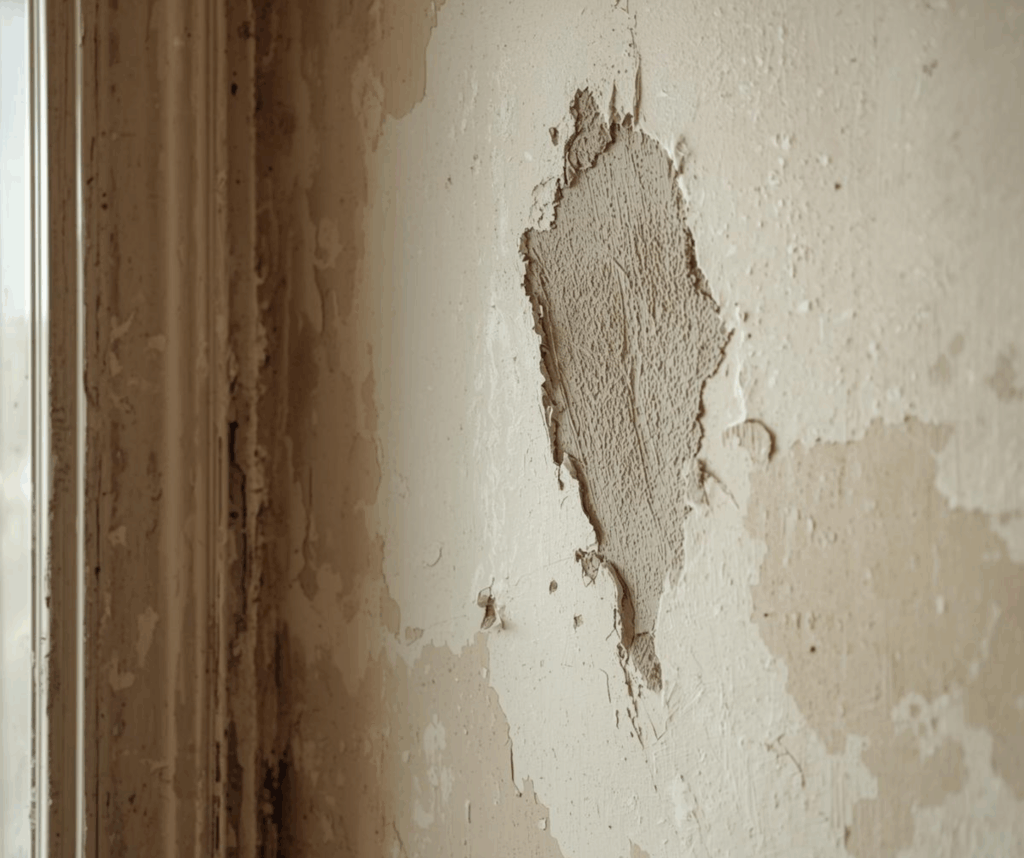
Lead is a heavy metal that doesn’t leave your body once it’s absorbed. Even small amounts can cause serious health issues over time. Children are at the greatest risk because their bodies absorb lead more easily and because they tend to touch, crawl, and put things in their mouths.
Health effects of lead exposure include:
- Developmental delays and learning problems in children
- Headaches, fatigue, and irritability
- High blood pressure and kidney damage
- Pregnancy complications and low birth weight
Simply disturbing old paint by sanding, scraping, or cutting can release toxic lead dust into your home’s air. Once that dust settles, standard cleaning isn’t enough to remove it.
Can I Remove Lead Paint Myself?
Technically, yes—but it’s highly unsafe and strongly discouraged. Even with the right tools and equipment, lead paint removal is one of the most hazardous renovation tasks a homeowner can attempt.
Many well-intentioned DIYers exacerbate the problem by using methods that spread contamination throughout their homes. According to the EPA, using the wrong tools—such as power sanders, torches, or shop vacs—can aerosolize lead dust and create a significantly larger health hazard than leaving the paint in place.
In other words:
Unless you have EPA certification, specialized training, and industrial-grade HEPA filtration systems, you should never try to remove lead paint on your own.
What Professional Lead Paint Removal Looks Like
When you call BioSweep Southeast, we take a science-based approach to identify and remediate lead contamination, ensuring your household’s safety. Here’s what a safe, professional process involves:
1. Testing and Inspection
We begin by testing painted surfaces and surrounding dust for the presence of lead using surface sampling and lab verification. BioSweep Southeast offers surface testing for lead and asbestos, two common contaminants commonly found in older homes. (Note: we do not perform air testing for lead, only surface-level testing to determine contamination.)
2. Containment and Safety Setup
Before any paint is disturbed, our technicians seal the area using heavy plastic sheeting (6-mil thick) and tape to isolate the work zone. HVAC vents are covered, and negative air machines with HEPA filters are installed to capture any airborne dust. This prevents contamination from spreading to other rooms or outdoor soil.
3. Controlled Removal
Depending on the condition and location of the paint, our specialists may use a combination of safe, EPA-approved methods, such as:
- Wet scraping or wet sanding with HEPA filtration
- Chemical stripping using low-toxicity paint removers on trim and woodwork
- Encapsulation using specialized coatings that permanently seal lead paint beneath a durable barrier
- Replacement of contaminated materials like trim, window sashes, or doors when removal isn’t feasible
We never use unsafe methods such as open-flame burning, unfiltered sanding, or power washing without containment. Those techniques are illegal in many states and can contaminate your entire property.
4. Decontamination and Clean-Up
After removal or sealing, all surfaces are cleaned using HEPA vacuums and wet-wipe methods. Regular household vacuums cannot trap microscopic lead dust and can actually spread it. Once the area has passed final clearance, any waste materials are double-bagged and disposed of in accordance with EPA and local regulations.
Our process may also include BioSweep’s proprietary Advanced Photocatalytic Oxidation (APO) technology to neutralize airborne contaminants and restore healthy indoor air quality once physical removal is complete.
What Not to Do
If you suspect or know your home contains lead paint, avoid these common and dangerous mistakes:
- Do not dry-sand, grind, or burn the paint. These methods release high concentrations of lead particles into the air.
- Do not use a shop vacuum or standard vacuum. They aren’t equipped with HEPA filters and will circulate lead dust back into your home.
- Do not power wash painted surfaces unless you have a way to capture all runoff water and debris.
- Do not ignore areas with chipping or peeling. Even a small patch can release hazardous dust each time it’s disturbed.
Safe Alternatives to Full Removal
In some cases, full removal may not be necessary or may be too invasive for your situation. BioSweep Southeast can recommend safer, cost-effective alternatives, such as:
- Encapsulation: Applying a specialized coating that bonds to existing paint and locks in lead particles. This is ideal for walls or ceilings in good condition.
- Enclosure: Covering painted surfaces with new drywall, tile, or vinyl to seal off the lead-based layer underneath.
- Interim controls: Repairing and maintaining painted surfaces, adding protective barriers, and improving cleaning routines to reduce exposure risk until a full remediation can be done.
What Happens to Lead Paint Waste?
Proper disposal is critical. All debris, dust, and cleaning materials from lead removal must be handled as hazardous waste. Our technicians:
- Use 6-mil plastic sheeting to collect debris.
- Double-bag all contaminated waste.
- Filter and safely dispose of rinse water.
- Never dump liquid waste or burn materials.
These procedures ensure that contamination doesn’t move from your home into surrounding soil or groundwater.
The Safest Step: Call a Certified Professional
Removing or disturbing lead paint without proper training can turn your home into a toxic environment in a matter of hours. That’s why the EPA requires contractors performing lead paint removal to be Lead-Safe Certified.
BioSweep Southeast partners with certified professionals who meet or exceed all state and federal safety standards. We provide:
- Surface testing for lead contamination
- Safe, compliant removal and containment
- Advanced deodorization and air purification (APO technology)
- Post-project air and surface restoration
When you work with BioSweep Southeast, you can trust that every step—from containment to cleanup—is handled with care, precision, and documented safety.
Warning Signs You May Have Lead Paint
You should schedule a lead paint inspection if:
- Your home was built before 1978
- You see cracking, chipping, or peeling paint
- You notice paint dust collecting on window sills or floors
- You’re planning a renovation or paint removal project in an older home
- You’ve experienced unexplained health symptoms (especially in children)
Don’t wait for a renovation to expose a problem—testing early can prevent issues before they arise.
Protect Your Family and Your Home
If you’ve discovered old paint layers in your home or are planning to remodel an older property, take the safe route: do not attempt to remove them yourself. The risk of lead exposure is too high, and the consequences are long-lasting.
BioSweep Southeast’s team combines proven safety practices with advanced air purification technology to restore clean, healthy indoor environments without compromising your family’s or property’s safety.
Breathe Easier with BioSweep Southeast
Our mission is straightforward: to create homes that are as safe, healthy, and beautiful as they are.
If you suspect lead paint in your home, contact BioSweep Southeast for professional testing and guidance on remediation. We proudly serve homeowners throughout Charleston, Mount Pleasant, Summerville, and surrounding areas.
📞 Call us today to schedule your lead surface inspection and let our experts handle the rest safely, thoroughly, and responsibly.