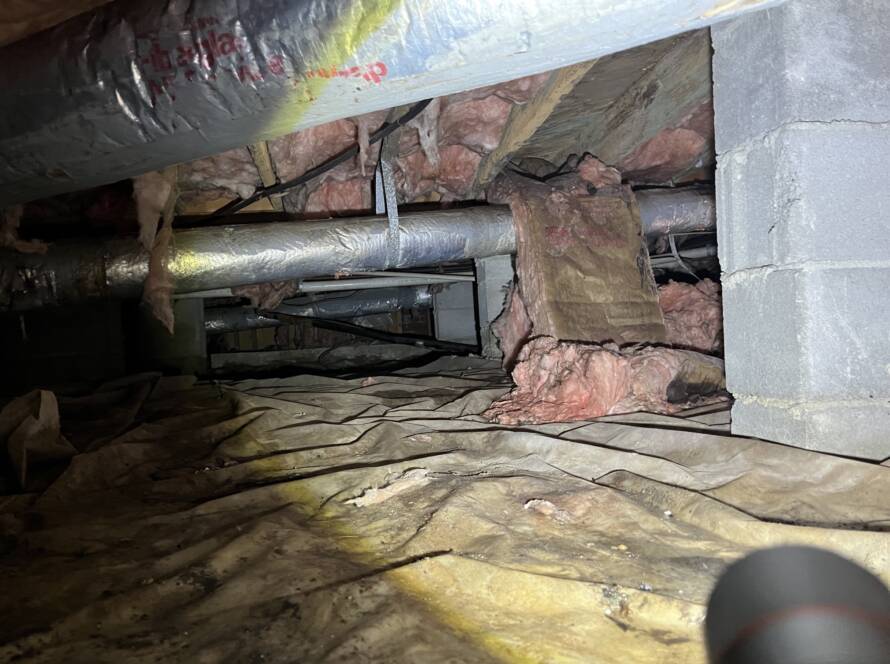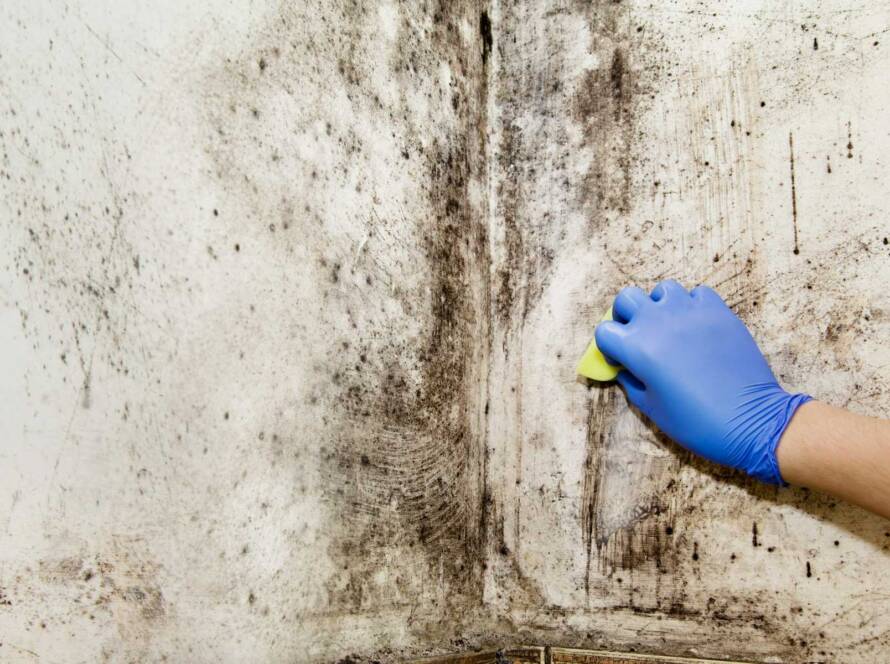

Water damage is one of the fastest-escalating hazards in any building—especially when it reaches your ceiling. Ceiling damage doesn’t stay surface-level for long. Moisture can infiltrate insulation, framing, electrical components, and HVAC systems, leading to mold growth, structural instability, and costly repairs if left untreated.
At BioSweep Southeast, we respond to ceiling water damage every day across commercial and residential properties. Whether caused by storms, roof leaks, burst pipes, or hidden plumbing failures, early detection is the key to preventing major losses.
This guide covers the top signs of water damage on your ceiling, the causes of it, and why prompt professional intervention is crucial.
What Does Water Damage on a Ceiling Look Like?
When water intrudes above your ceiling, whether from a roof, attic, plumbing line, or HVAC system it leaves behind recognizable warning signs. The quicker these are spotted, the easier it is to stop damage from spreading.
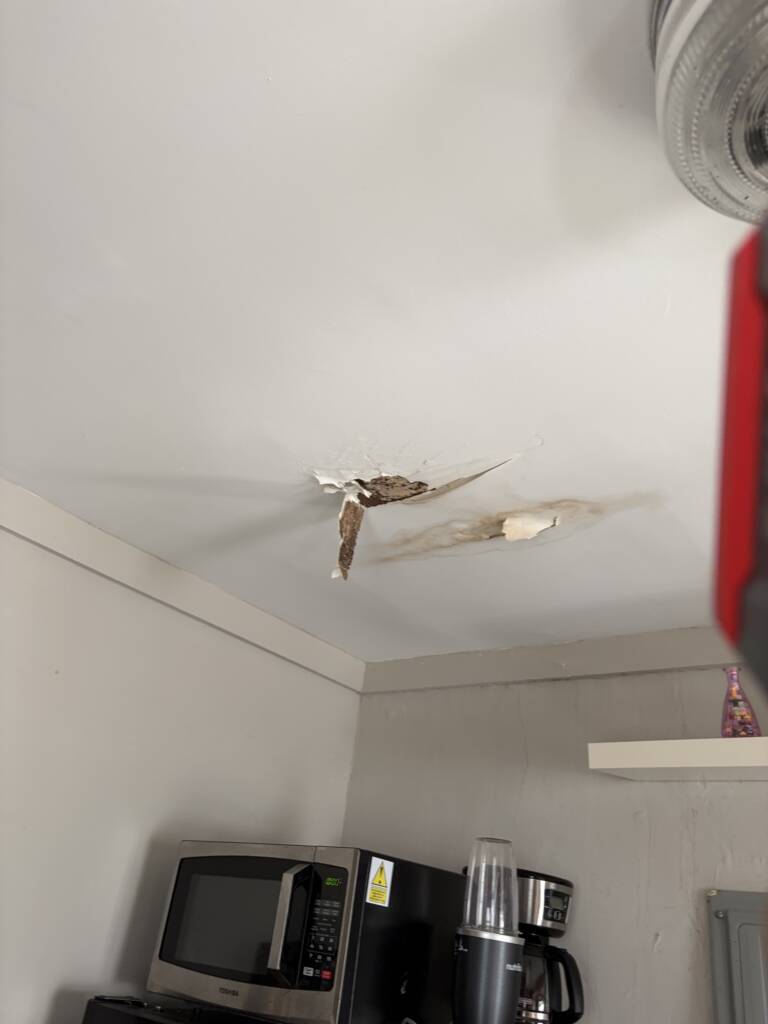
1. Water Stains or Yellow-Brown Rings
Water stains are the #1 most visible sign of ceiling water damage.
They usually appear as:
- Light brown, yellow, or rust-colored patches
- Circular “rings” that expand over time
- Irregular stains that spread outward after each moisture event
These stains indicate an ongoing leak above the ceiling, even if the surface has dried.
2. Peeling, Bubbling, or Flaking Paint
When moisture pushes through drywall or plaster, it disrupts the bond between paint and surface material. You may see:
- Bubbles forming under the paint
- Sheets of paint peeling
- Fine cracks or spiderweb-like patterns
This is a strong indicator that water is actively collecting above the ceiling.
3. Sagging or Bowed Ceiling Panels
A ceiling that sags, softens, or bows downward is experiencing significant water saturation.
This sign requires immediate action because:
- Waterlogged drywall can collapse without warning
- Structural elements may already be compromised
- Mold growth accelerates rapidly in saturated materials
Any noticeable dip or softness is an emergency.
4. Musty or Damp Odors
Sometimes moisture is hidden, but the smell gives it away.
Musty odors often point to:
- Hidden mold growth
- Long-term moisture exposure
- Slow, undetected leaks inside the ceiling cavity
If you smell moisture before you see damage, the ceiling may already be compromised behind the surface.
5. Visible Mold or Mildew on the Ceiling
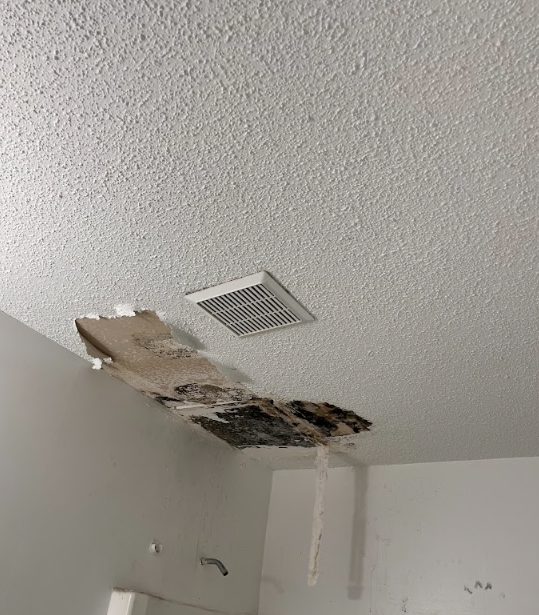
Mold thrives in dark, enclosed spaces—exactly what a wet ceiling provides.
You may see:
- Black, green, or gray spotting
- Mold along seams where ceilings and walls meet
- Fuzzy or patchy growth appearing in humid rooms
BioSweep Southeast uses proprietary APO technology to eliminate mold spores and restore indoor air quality after moisture damage.
6. Cracks: Straight Lines or Spiderweb Patterns
Ceiling cracks are often dismissed as cosmetic, but many are linked to hidden moisture.
Water-related cracks may appear as:
- Thin hairline fractures
- Spreading spiderweb cracks
- Straight lines running along framing
When combined with stains or peeling paint, cracking is a clear sign that moisture is weakening the ceiling’s structure.
7. Discoloration That Appears After Storms or Heavy Rain
If stains or moisture marks show up only after weather events, the issue is likely tied to:
- Roof leaks
- Damaged flashing
- Compromised shingles
- Gutter overflow and pooling water
Weather-dependent patterns help identify the source of intrusion.
8. Sounds of Dripping or Trickling Water
Sometimes, you hear the damage before you see it.
Listen for:
- Dripping behind the ceiling
- Soft crackling or bubbling noises
- Intermittent trickling during or after water use
This often indicates an active leak inside ceiling cavities.
Common Causes of Ceiling Water Damage
Understanding the source helps prevent future issues. The most frequent causes we find include:
1. Roof Leaks
Storms, aging shingles, damaged underlayment, or clogged gutters can allow water to enter the attic and seep through to the ceiling.
2. Burst or Leaking Pipes
Plumbing failures above a ceiling can cause rapid and severe water intrusion.
3. HVAC or Air Handler Issues
Condensation, drain overflow, and faulty AC lines often leak unnoticed for long periods.
4. High Indoor Humidity
Especially common in Florida and similar regions, high moisture can result in condensation buildup on ceiling surfaces.
5. Appliance Leaks on Upper Floors
Water heaters, washing machines, and bathrooms above the ceiling can contribute to long-term moisture deterioration.
Why You Shouldn’t Ignore Ceiling Water Damage
Even minor stains can reveal significant underlying issues.
Untreated ceiling water damage can lead to:
- Structural weakening or collapse
- Mold growth within 24–48 hours
- Electrical hazards in ceiling cavities
- Reduced indoor air quality
- Damage to insulation and HVAC systems
- Odors that persist long-term
- Significant restoration costs
Water intrusion rarely resolves on its own—moisture spreads, wicks through materials, and introduces secondary damage.
How BioSweep Southeast Identifies and Treats Ceiling Water Damage
Ceiling issues require professional restoration—not patching or painting over the damage. At BioSweep Southeast, we use advanced technologies and proven restoration methods to protect your property.
Our ceiling water damage process includes:
- Moisture detection using thermal imaging and professional meters
- Stopping the source of water immediately
- Drying and dehumidification using commercial-grade equipment
- APO technology to eliminate mold spores and restore healthy indoor air
- Safe removal of contaminated materials
- Full reconstruction of affected ceiling areas
Our process ensures not only cleanup, but also long-term protection and verified air quality improvement.
How to Prevent Water Damage on Ceilings
While not all water emergencies can be avoided, you can reduce the risks by:
- Scheduling regular roof inspections
- Maintaining gutters and downspouts
- Insulating attic plumbing lines
- Servicing your HVAC system annually
- Monitoring indoor humidity
- Responding immediately to water stains or odors
Early detection is the most cost-effective prevention method.
If You Notice Ceiling Water Damage, Contact BioSweep Southeast Immediately
Ceiling water damage accelerates quickly and can create unsafe conditions without warning. Whether you see stains, sagging areas, mold spots, or notice musty odors—your property needs professional attention.
BioSweep Southeast specializes in fast, thorough, and technology-driven water damage restoration. Our team is available 24/7 to assess your ceiling, stop the source of water, and restore your building to a safe and healthy condition. Call us today for your mold remediation needs.
Need immediate help? Contact BioSweep Southeast today.
Protect your structure. Protect your indoor air. Protect your people.