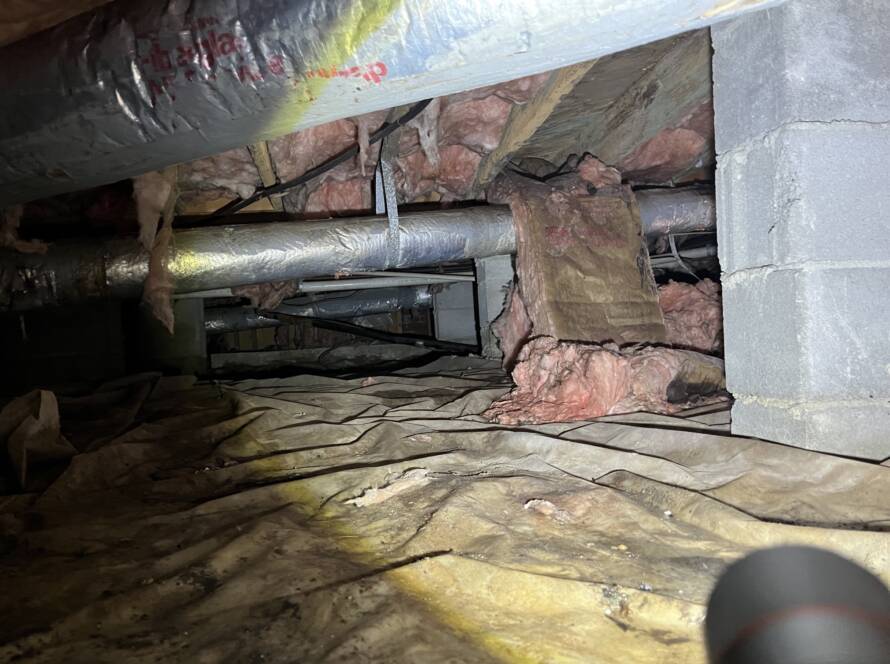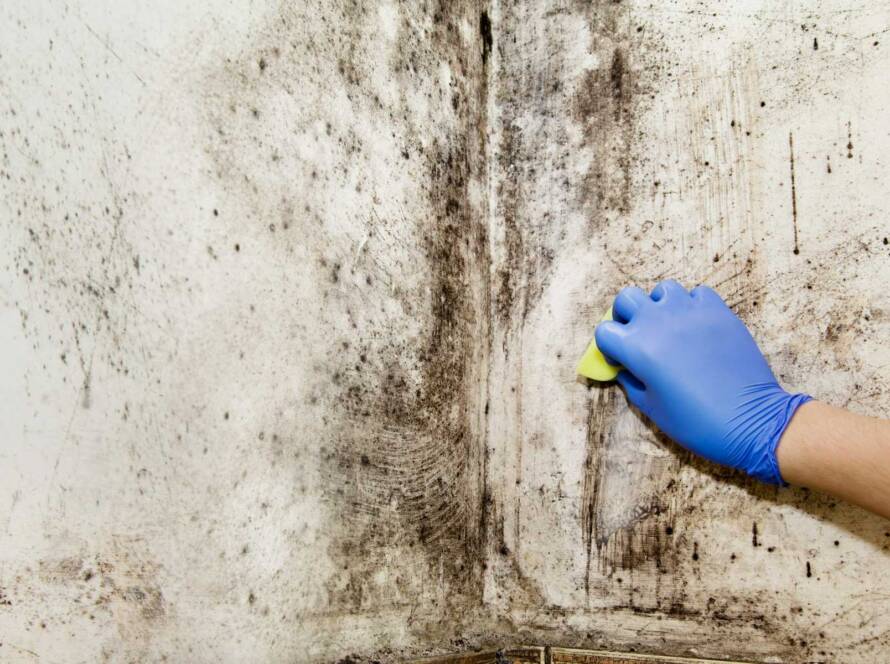

When a fire damages your property, the problems go beyond what you can see. Flames, smoke, water, and heat often create hidden structural issues and hazardous residues. That’s why BioSweep offers comprehensive fire damage assessment and inspection services. Our process ensures your property is safe, restoration is properly planned, and your insurance claim is fully supported.
Below, we’ll answer the most common questions property owners ask after a fire and explain how BioSweep Southeast approaches each step.
What is a fire damage assessment?
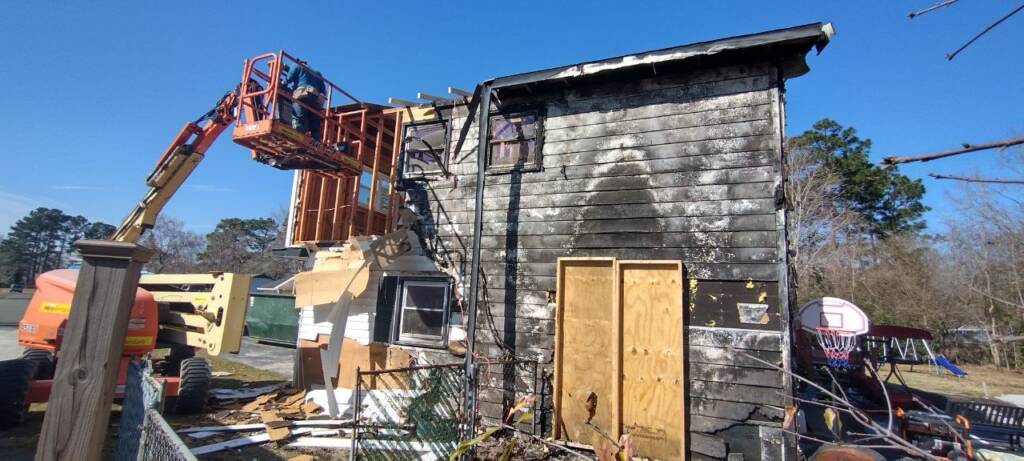
A fire damage assessment is a professional evaluation of a property after a fire to identify both visible and hidden damage.
At BioSweep, our inspectors check structural integrity, analyze smoke and soot contamination, and identify hazardous materials. We also document findings in a detailed report that supports your insurance claim and guides a safe, complete restoration.
What does a fire damage inspection include?
BioSweep follows a structured process to ensure nothing is missed:
- Visual inspection – Identifying surface-level damage like charring, water stains, and warping.
- Structural testing – Evaluating whether framing, foundations, and supports are still sound.
- Smoke and soot analysis – Detecting contamination in drywall, insulation, and air systems.
- Material sampling – Sending questionable materials to labs for testing.
- HVAC inspection – Ensuring smoke particles haven’t infiltrated your ducts.
- Hazard screening – Checking for asbestos, lead paint, or chemical residues.
- Documentation – Providing photos, diagrams, and prioritized repair recommendations.
- Cost estimation – Giving you an accurate projection of restoration expenses.
With BioSweep’s process, you’ll know exactly what must be repaired, what can be restored, and how much it will cost.
How does BioSweep test structural safety after a fire?
Fires weaken more than just surfaces — they often compromise the structural safety of a building. During a fire damage assessment, BioSweep identifies visible signs of warping, cracking, or instability and documents areas that may require further evaluation. If advanced structural testing is needed, BioSweep coordinates with licensed engineers to ensure foundations, framing, and load-bearing elements are thoroughly examined. This way, no hidden risks are overlooked, and the property can be restored with confidence.
Why is smoke and soot analysis important?
Smoke and soot are often more destructive than flames. They can:
- Penetrate walls and insulation
- Leave behind dangerous toxins
- Cause long-lasting odors
BioSweep specializes in advanced smoke and soot analysis. We not only detect contamination but also eliminate it using our proprietary Advanced Photocatalytic Oxidation (APO) technology. This process neutralizes particles and restores clean, safe air throughout your property.
What hazards do BioSweep inspectors look for after a fire?
Fires often disturb dangerous materials, especially in older buildings. Our inspections screen for:
- Asbestos released from insulation or flooring
- Lead dust from old paint
BioSweep ensures hazardous materials are identified early and handled safely during restoration.
How much does fire damage restoration cost?
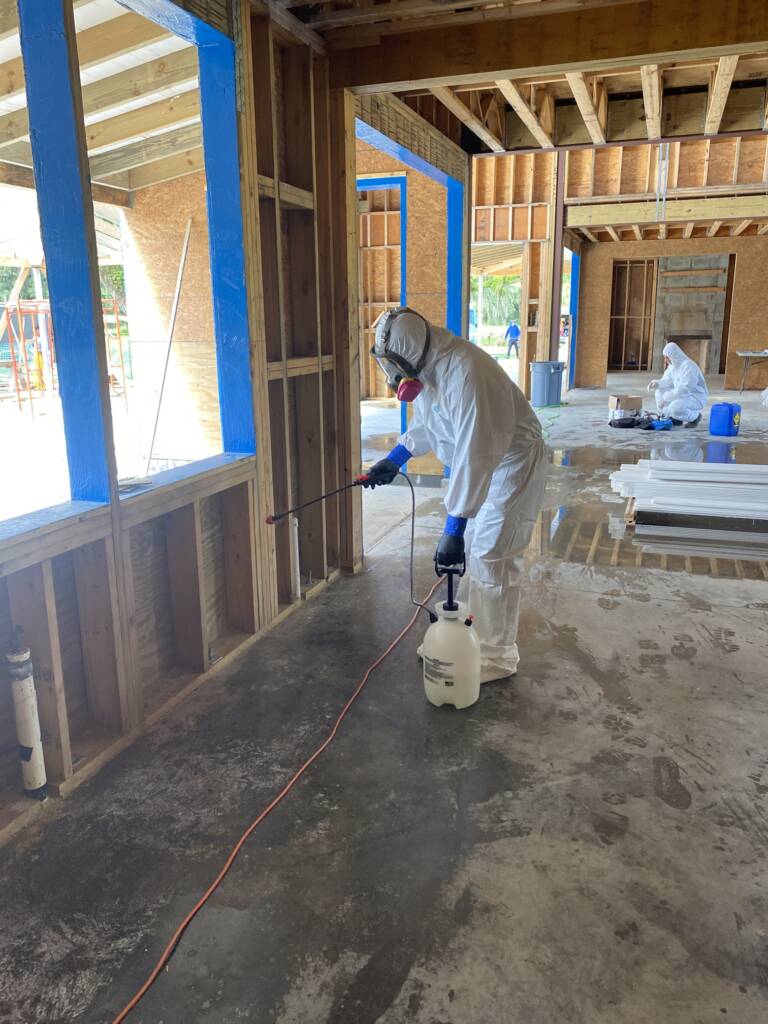
Costs depend on the size of your property and the extent of the damage. Industry data shows:
- National average range: $58,000–$91,700 (Angi)
- Typical per square foot: $4–$7, with an average of $5.50 (Royal Restoration)
For a 2,600-square-foot home, that’s roughly $14,300 at $5.50/sq. ft.
BioSweep provides a customized estimate after inspection, so you’re never left guessing.
How does a BioSweep fire damage assessment help with insurance claims?
Insurance adjusters want clear, objective documentation. BioSweep provides exactly that.
Our reports include photographs, diagrams, lab results, and itemized recommendations. This ensures you receive fair compensation and avoids disputes about coverage. In many cases, insurance companies prefer working with professional documentation from certified firms like BioSweep.
What should property owners expect during the BioSweep process?
Here’s how a typical BioSweep fire damage restoration assessment works:
- Consultation – We gather details about the fire.
- On-site inspection – Our team performs structural and environmental checks.
- Testing – Samples are taken if materials look compromised.
- Hazard screening – Asbestos, lead, etc..
- Documentation – A full report is delivered to you and your insurer.
- Cost estimate – We provide a realistic projection of repair and restoration costs
- Restoration planning – BioSweep’s team and partners use the report as a roadmap.
Why should you choose BioSweep for fire damage inspections?
Skipping a professional inspection risks hidden damage, unsafe structures, and denied insurance claims. Choosing BioSweep ensures:
- Advanced testing methods for complete accuracy
- APO technology to eliminate smoke and soot contamination
- Licensed, certified professionals experienced with fire recovery
- Reports tailored to meet insurance requirements
When it comes to restoring safety, air quality, and peace of mind, BioSweep is the trusted partner for fire damage assessment and inspection services.
Final Takeaway
Fire damage is overwhelming, but with BioSweep’s assessment and inspection services, you don’t have to face it alone. Our process identifies hidden risks, provides accurate costs, supports your insurance claim, and ensures your property is restored safely.
If your home or business has suffered fire damage, contact BioSweep Southeast today. An expert inspection is the first and most important step toward full recovery.