
Last updated: June 2026
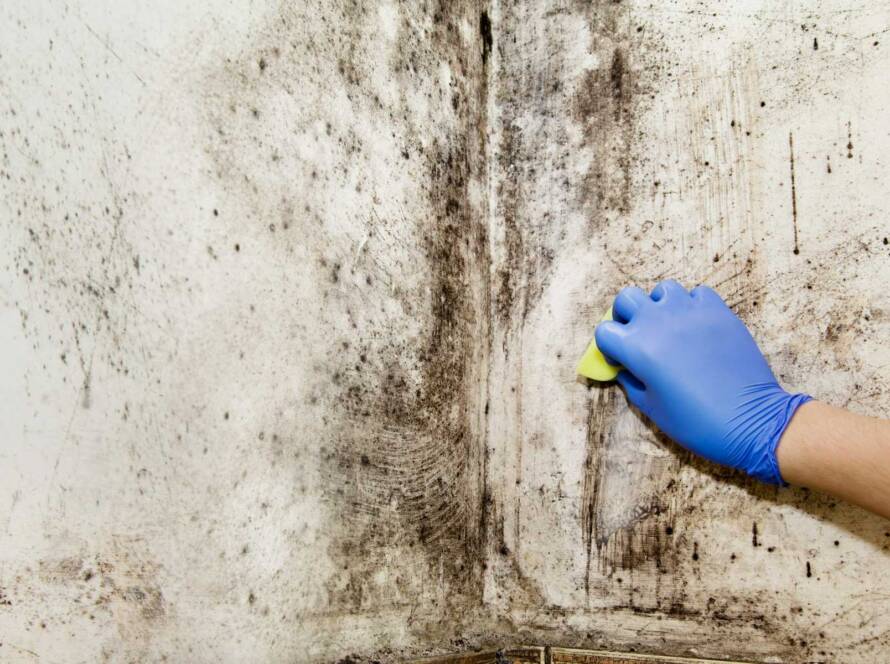
Finding mold in your home shifts your thinking immediately to one question: how long until this is behind us? The honest answer is that most residential mold remediation in Charleston takes 2 to 7 days from inspection through drying, with restoration adding anywhere from a single day to several weeks, depending on what needs to be rebuilt.
That range exists because mold remediation covers a wide spectrum of situations. A contained patch on a bathroom wall resolves quickly. Mold in a crawlspace that has spread to floor joists with an unresolved moisture source is a multi-phase project. What controls the timeline is not just the size of the problem, but several specific variables — and understanding them helps you know what you’re actually dealing with before you pick up the phone.
For a full overview of what professional mold remediation involves from start to finish, our complete guide to mold removal covers every phase in detail. This article focuses specifically on the timeline: what drives it, what each stage involves, and what realistic expectations look like for homes in the Lowcountry.
What Is the Typical Mold Remediation Timeline?
Most residential mold remediation follows this general structure:
| Phase | Typical Duration |
| Inspection and assessment | Day 0 to 1 |
| Containment and filtration setup | Day 1 |
| Mold removal and surface treatment | Day 1 to 3 |
| BIOSWEEP® decontamination | Day 3 to 5 |
| Structural drying and dehumidification | Day 2 to 4 |
| Clearance testing (if required) | Day 5 to 7 |
| Restoration | 1 day to several weeks |
These phases overlap in practice. Drying begins during removal, not after it. Decontamination follows removal once the affected area is cleared. The total elapsed time from first assessment to completed remediation before restoration typically falls between 2 and 7 days for most residential projects.
Restoration is a separate timeline entirely, driven by what structural materials need to be replaced and the scope of rebuilding required.
What Factors Determine How Long Mold Remediation Takes?
Size and Extent of Contamination
The most obvious variable is the area affected. Practical ranges:
- Contained area (under 10 sq ft): 1 to 2 days
- Moderate contamination (10 to 100 sq ft): 3 to 5 days
- Extensive contamination (over 100 sq ft or multiple areas): 5 to 10 or more days, not counting restoration
These are not fixed categories. A 15 square foot patch of mold on sheet metal cleans faster than a 15 square foot patch on gypsum wallboard — because the material matters as much as the footprint.
Type of Materials Affected
The ANSI/IICRC S520 Standard for Professional Mold Remediation (4th ed., 2024) establishes the foundational principle: porous materials contaminated with mold typically require physical removal rather than cleaning. Non-porous surfaces can often be treated and retained. Source: IICRC S520
What does that mean for the timeline:
- Non-porous surfaces (metal, glass, sealed concrete): Can be cleaned and treated in place. Faster resolution.
- Semi-porous surfaces (finished wood, concrete block): Cleanable depending on depth of penetration. Timeline varies case by case.
- Porous materials (drywall, insulation, carpet, ceiling tiles, untreated wood): Require removal and disposal. Every porous material that comes out adds removal time on the front end and restoration time on the back end.
Moisture Source and Drying Conditions
This is the variable most homeowners underestimate. Mold cannot be sustainably remediated without eliminating the moisture source that caused it. If active moisture is still present when remediation begins, drying time increases, and the risk of recurrence is high.Identifying and addressing a leaking supply line takes hours. Addressing moisture intrusion through a foundation, crawlspace, or compromised roof may require coordination with a separate contractor before remediation can advance to the next phase. That coordination time is part of the project timeline, even if it doesn’t involve our crew directly
Structural drying after mold remediation typically takes 2 to 4 days with commercial dehumidifiers and air movers. In the Lowcountry, that range often runs toward the longer end covered in the next section.
Testing and Documentation Requirements
Some situations require mold spore testing before, during, or after remediation. These add time and are sometimes non-negotiable.
Situations that typically require formal testing:
- Real estate transactions where a buyer or lender requires clearance documentation
- Insurance claims requiring documented pre- and post-remediation conditions
- Landlord-tenant situations with legal documentation obligations
- Projects involving immunocompromised occupants or sensitive populations
Clearance testing requires 24 to 48 hours after the remediation and drying phases are complete, during which airborne spore counts settle before accurate sampling is possible. Build this into any timeline that requires testing.
Our guide on testing air quality after mold remediation covers what clearance testing involves and what the results confirm.
Why Does Mold Remediation Take Longer in the Lowcountry?
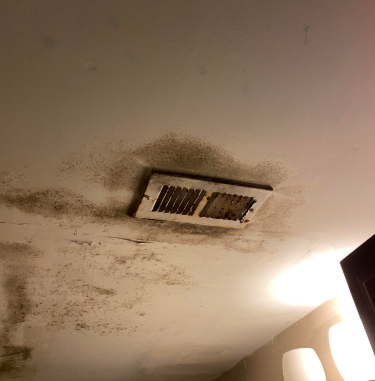
Charleston’s coastal climate adds a variable that generic timelines don’t account for: ambient humidity.
Structural drying works by creating a gradient between the moisture in building materials and the moisture in the surrounding air. In a dry climate, commercial dehumidifiers efficiently drive that gradient. In the Lowcountry, where outdoor relative humidity regularly exceeds 80 percent during summer months, the gradient is narrower and drying takes longer.
This affects the timeline in two ways. First, structural components take longer to reach an acceptable moisture content before restoration can safely begin. Second, any remediation performed without fully resolving the moisture source is more likely to fail in a humid environment, because mold has less competition re-establishing itself.
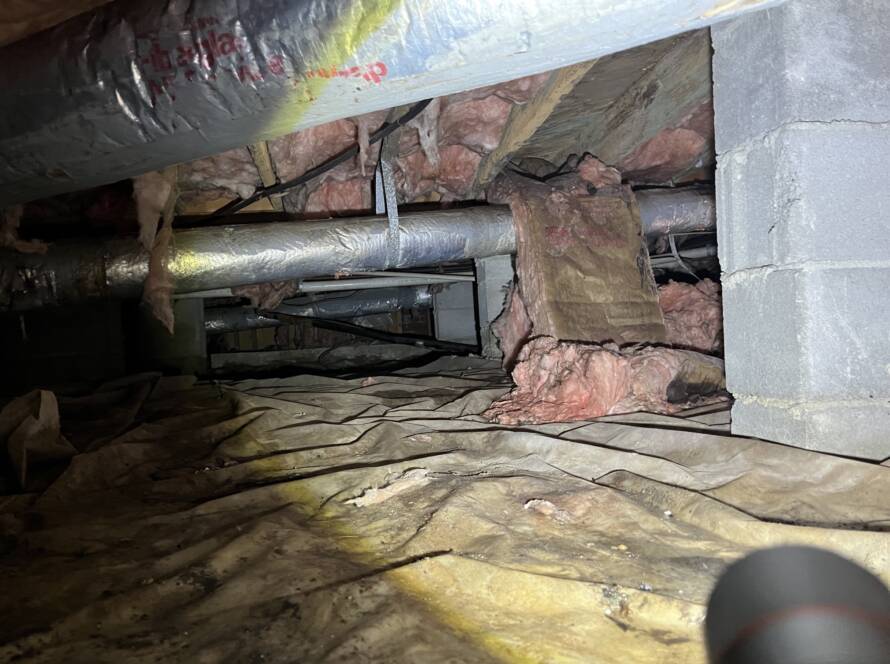
Homes with unencapsulated crawl spaces face this problem year-round. Ground moisture enters the structure year-round, sustaining the humidity conditions that allow mold to return after treatment. Crawl space encapsulation is often the most important step in ensuring remediation results hold long-term.
Managing realistic expectations in the Lowcountry means planning for drying times at the longer end of standard ranges, especially during warmer months. We account for this in every project estimate.
What Happens at Each Stage of the Mold Remediation Process?
Our process follows the ANSI/IICRC S520-4th edition (2024) standards, the benchmark for professional mold remediation. Source: ANSI/IICRC S520-2024
Day 0 to 1: Inspection and Assessment
Before any work begins, we conduct a full assessment using moisture meters and thermal imaging to identify both visible and hidden contamination. You receive a written remediation plan before we start — scope, process, and timeline in writing.
Optional mold spore testing is available at this stage and recommended when a documented baseline is needed for insurance, real estate, or legal purposes.
Day 1: Containment and Filtration Setup
We establish negative air pressure containment using sealed barriers and HEPA air scrubbers. This prevents cross-contamination from spreading to unaffected areas of the home during the removal process. Containment stays in place through the end of the remediation phase.
Day 1 to 3: Mold Removal and Surface Treatment
Contaminated porous materials are removed safely and disposed of in accordance with the IICRC S520 protocol. Remaining salvageable surfaces receive EPA-registered antimicrobial treatment. The duration of this phase depends on the extent of material removal required and the accessibility of the affected areas.
Day 3 to 5: BIOSWEEP® Decontamination
After physical removal is complete, the BIOSWEEP® Multi-Phase Oxidation Treatment System neutralizes residual mold spores, bacteria, and odors at the molecular level throughout the treatment area. It is non-toxic, residue-free, and safe for your family, pets, and the environment, with no harsh chemicals.
This step addresses what antimicrobial surface treatment alone cannot reach: airborne spores, microscopic contamination in surface irregularities, and embedded odors from the mold event. For homes with persistent odor from mold or water damage, BIOSWEEP® decontamination is backed by our Odor-Free Guarantee — if the smell returns, so do we, at no additional charge.
Day 2 to 4: Structural Drying and Dehumidification
Commercial dehumidifiers and air movers run continuously until building materials reach target moisture content. Our technicians monitor moisture readings daily. The moisture source must be fully resolved before this phase can close. Beginning restoration before materials have reached acceptable moisture levels leads to recurring problems.
Day 5 to 7: Clearance Testing
When remediation is complete, we verify that the work meets the IICRC S520 goal: returning the building to a normal fungal ecology comparable to an unaffected reference area. For projects requiring formal clearance documentation, independent third-party testing is the appropriate standard. We provide full documentation to support that process.
Variable: Restoration
Restoration begins after clearance is confirmed. The timeline depends on the extent of structural work required:
- Patching and repainting a small area: 1 to 2 days
- Replacing a section of drywall or subfloor: 3 to 5 days
- Rebuilding a bathroom, wall system, or damaged ceiling: 1 to 3 weeks or more
Structural restoration work exceeding $5,000 in South Carolina requires a licensed General Contractor. We handle restoration in-house, so you work with one team from assessment through completion, without coordinating two separate contractors.
Can You Stay in Your Home During Mold Remediation?
In many cases, yes — provided containment barriers fully isolate the affected area and no occupants have significant sensitivities.
The situations that typically require temporary relocation:
- Large projects where containment covers most of the home’s living space
- Occupants with asthma, compromised immune function, or significant respiratory sensitivities
- The BIOSWEEP® decontamination phase, during which we recommend that sensitive occupants step out until the treatment cycle completes
For most single-area remediations where the rest of the home remains accessible, temporary relocation is not necessary. We give you a clear recommendation based on your specific situation before work begins.
Most properties are ready for full re-entry 24 to 48 hours after remediation and drying are complete.
What Gets Discarded vs. What Gets Cleaned?
The answer follows the surface type, not the mold’s visible appearance.
Dispose of:
- Drywall and gypsum board with mold penetration beyond the painted surface
- Insulation of any type that has been exposed to mold or sustained moisture
- Ceiling tiles
- Carpet and padding
- Upholstered furniture with confirmed contamination
- Paper goods, cardboard, and similar porous materials
Clean and treat (when structurally sound):
- Metal, glass, and sealed concrete surfaces
- Finished hardwood with surface mold only, assessed on a case-by-case basis
- Concrete block and poured concrete
When there is uncertainty, the IICRC S520 protocol applies: if effective cleaning cannot be confirmed, removal is the correct choice. Leaving contaminated porous material in place because it appears clean on the surface is one of the most common reasons mold problems return.
How Do You Prevent Mold From Returning After Remediation?
Remediation removes mold from affected surfaces. It does not prevent mold from returning if the conditions that caused it remain in place. Every mold project has a moisture source — identifying and eliminating it is what determines whether the remediation holds.
The most common moisture sources in Lowcountry homes:
- Plumbing leaks, including slow leaks inside walls or under slabs
- Roof or flashing failures that allow water penetration during storms
- HVAC condensation issues or blocked drain lines
- Unencapsulated crawlspaces allow continuous ground moisture intrusion
- Poor exterior drainage directs water toward the foundation
After the moisture source is addressed, maintaining indoor humidity below 50 percent is the ongoing defense. For Charleston homes, this typically requires a dehumidifier running seasonally — or year-round in crawlspaces. Our mold removal service includes assessment of the moisture source as part of every project, not as an afterthought.
Frequently Asked Questions
How long does mold remediation take for a single bathroom?
Most single-bathroom remediations are complete in 2 to 3 days, including removal of affected drywall, treatment, and drying. Restoration adds 1 to 2 days, depending on what needs to be replaced.
Will mold remediation smell?
Some antimicrobial treatments produce a temporary odor during application. At the end of a properly completed remediation, there should be no detectable mold odor. Our Odor-Free Guarantee backs this outcome for every BIOSWEEP® decontamination job.
What is clearance testing, and do I need it?
Clearance testing is independent air-quality sampling performed after remediation to confirm that mold spore counts have returned to normal levels. It is not required for every project, but is strongly recommended for insurance claims, real estate transactions, or any situation involving occupants with health sensitivities. Our article on testing air quality after mold remediation covers the process and how to interpret the results.
Does homeowner’s insurance cover mold remediation?
Coverage varies by policy and the cause of the mold. Mold resulting from a covered water event, burst pipe, or storm damage is more likely to be covered than mold from long-term humidity or deferred maintenance. We provide full documentation of the damage, process, and outcomes to support your claim regardless of the coverage outcome.
How is commercial mold remediation different from residential?
Commercial projects involve larger systems, more complex containment requirements, coordination around tenant and business schedules, and typically more detailed compliance documentation. Our dedicated guide on the commercial mold remediation timeline covers what property managers and facility operators should expect.
How do I know if I have mold I can’t see?
Persistent musty odors, unexplained indoor allergy symptoms, or a recent water event are all reasons to schedule an assessment before visible growth appears. Our guide on how to spot mold in your home covers the signs most homeowners miss.
Schedule Your Mold Assessment in Charleston and the Lowcountry
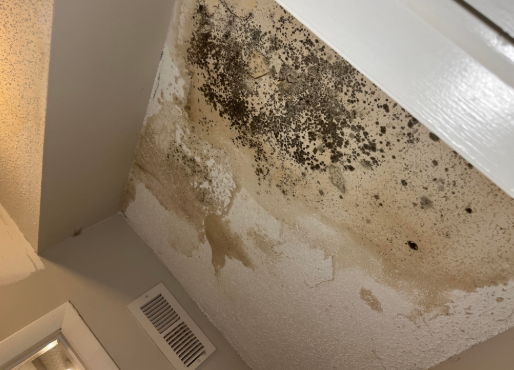
Mold grows within 24 to 48 hours of moisture exposure and spreads to adjacent materials over time. A contained problem today can become a multi-room project if left unaddressed.
BioSweep Southeast serves Charleston, Mount Pleasant, Summerville, Goose Creek, and the surrounding Lowcountry communities. Our IICRC Certified team follows ANSI/IICRC S520 standards from assessment through clearance, and we handle restoration in-house, so you work with one team from start to finish.
Schedule your free on-site assessment. We’ll walk you through exactly what we find and provide a written remediation plan before any work begins.
Call 843-375-6627 or contact us online. We’re available 24/7 for emergency response.