
A fire doesn’t have to burn through your living room to cause serious damage. Smoke moves through a home in minutes, settling into walls, furniture, insulation, and ductwork long before the flames are out. What’s left behind is often more extensive than it looks, and homeowners who don’t know what to document, or when to get a professional assessment, frequently walk away with a settlement that doesn’t cover the full scope of what was lost.
This guide walks through what qualifies as smoke damage for an insurance claim, what your policy is likely to cover, how to file correctly, and where claims most often fall short.
What Qualifies as Smoke Damage for an Insurance Claim
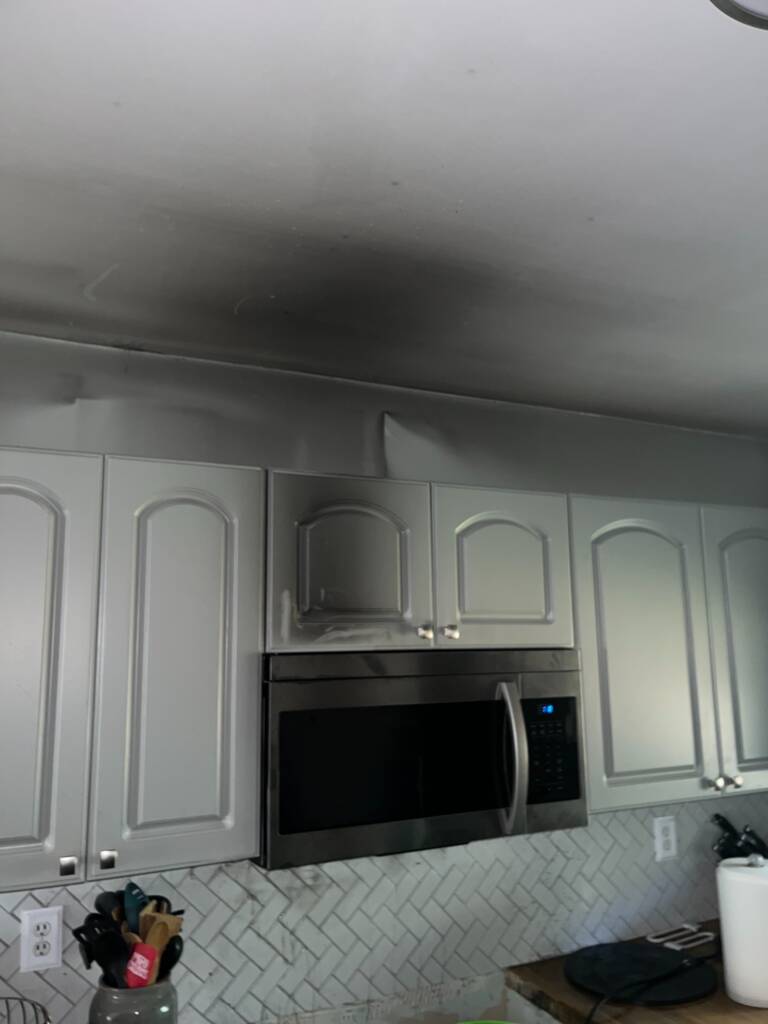
Smoke damage is any physical loss or contamination to a structure or its contents caused by smoke, soot, ash, or chemical byproducts of combustion, including hidden contamination in HVAC systems, wall cavities, and insulation that is not visible from a standard inspection.
For insurance purposes, that definition is broader than most homeowners expect. Here is what it actually includes.
Visible Damage vs. Hidden Contamination
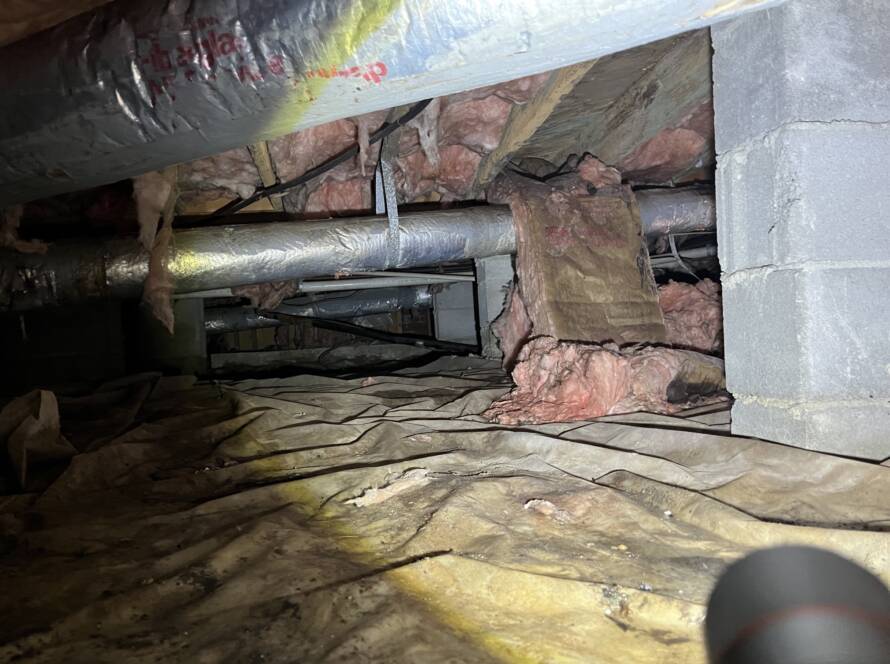
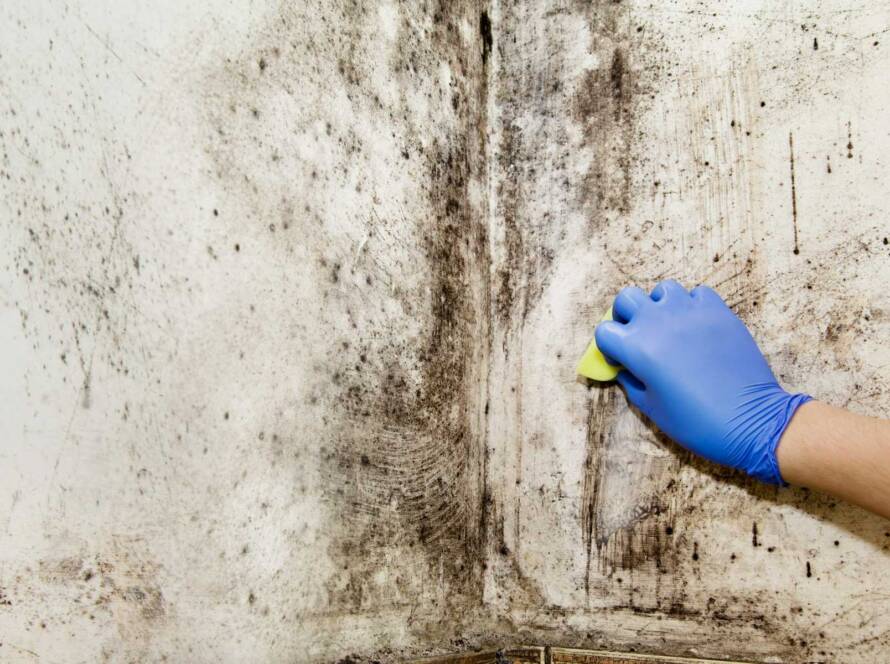
Visible smoke damage is the easy part: discoloration on walls and ceilings, soot on surfaces, and smoke odor embedded in upholstery and clothing. Hidden contamination is where claims get complicated. Smoke infiltrates HVAC systems and circulates through every room the ductwork reaches. It settles into insulation inside wall cavities. It embeds in subfloor material beneath flooring that looks undamaged from above. It penetrates electronics, appliances, and the contents of closed cabinets.
All of these are legitimate components of a smoke damage claim, but they require documentation that goes beyond what a visual walkthrough captures.
Does Smoke from a Neighbor’s Fire or Wildfire Count?
In most cases, yes. Standard homeowners’ insurance policies cover smoke damage as a named peril, and that coverage typically applies whether the smoke originated from a fire inside your home, a structure fire next door, or a wildfire in the surrounding area. The key factor is that the damage must be sudden and accidental, not the result of ongoing exposure or neglect.
If smoke from a contained kitchen incident, a neighbor’s structure fire, or regional wildfire activity has affected your home, contact your insurer to confirm your policy language before assuming you are not covered. Coverage varies by carrier and policy terms, so a direct conversation with your agent is always the right first step.
What Homeowners Insurance Typically Covers
Structure and Contents
A standard homeowners policy covers two primary categories of smoke damage loss.
Dwelling coverage applies to the physical structure of your home: walls, ceilings, flooring, insulation, HVAC systems, built-in appliances, and any structural component affected by smoke or soot. This is the portion of a claim that most frequently involves hidden damage, and where professional documentation has the most impact on settlement outcomes.
Personal property coverage applies to your belongings: furniture, clothing, electronics, appliances, and other contents. Policies typically reimburse either the actual cash value (ACV) of damaged items, accounting for depreciation, or the replacement cost value (RCV), which covers the cost of replacing the item new. The difference between ACV and RCV can be significant — check your policy to confirm which applies.
According to the Insurance Information Institute, fire and lightning claims averaged $88,170 per incident between 2019 and 2023, with non-catastrophe fire losses averaging $130,752 over the following five-year period. Those figures reflect the full scope of fire and smoke damage once hidden contamination is properly accounted for.
Additional Living Expenses
If smoke damage makes your home uninhabitable during remediation, most policies include loss-of-use coverage, also called additional living expenses (ALE). This covers reasonable costs for temporary housing, meals, and other expenses above your normal cost of living while repairs are underway. Keep all receipts and document these expenses from day one.
What Policies Commonly Exclude
Coverage for smoke damage is not universal across all situations. Common exclusions include:
- Damage from agricultural burning or industrial smoke not caused by a sudden fire event
- Long-term or gradual smoke exposure, such as years of indoor cigarette smoking
- Damage the insurer determines to be cosmetic rather than structural
- Losses that exceed your policy’s coverage limits or sub-limits for specific categories
This matters more than many homeowners realize. Fire and smoke account for 21.6% of all homeowners’ insurance losses, making it one of the most claimed and most contested peril categories in residential insurance. Adjusters and carriers are experienced at applying exclusions narrowly. Review your policy declarations page and speak with your agent before assuming a situation is covered or excluded. When in doubt, file the claim and let the adjuster make the determination — an exclusion is not the same as a denial, and both can be challenged with proper documentation.
How to File a Smoke Damage Claim: Step by Step
Step 1 — Notify Your Insurer Immediately
Contact your insurance company as soon as it is safe to do so. Most policies require prompt notification and set deadlines for submitting a proof of loss form, often within 60 days of the event. Missing these windows can jeopardize your claim regardless of how strong your documentation is. Have your policy number ready, and ask specifically what the filing deadline and required documentation are for your policy.
Step 2 — Document Everything Before Cleanup Begins
Before anything is cleaned, moved, or discarded, thoroughly document every affected area. Use your phone to take photos and videos of every room, including areas that appear undamaged. Open cabinets and closets. Pull back rugs. Document what you smell, not just what you see. Create a written inventory of damaged personal property with estimated ages and values.
Do not discard any damaged items without your insurer’s approval. Adjusters need to assess the loss in place. Disposing of damaged property before the inspection can reduce or void coverage for those items.
Step 3 — Prevent Further Damage Without Destroying Evidence
Your policy likely requires you to take reasonable steps to prevent additional damage after a covered loss. This can mean boarding broken windows, covering roof openings, or running air movers to reduce moisture from firefighting efforts. Document every temporary repair with photos and save all receipts.
The line between preventing further damage and destroying evidence is important. Do not begin deep cleaning, painting over soot, or refinishing surfaces until after the adjuster has completed their inspection and you have received written confirmation of what is approved.
Step 4 — Schedule a Professional Remediation Assessment
A professional remediation company does more than clean. A written assessment from a certified firm documents the full scope of smoke damage, including contamination in areas a standard adjuster walkthrough may not reach. That written report becomes part of your claim file and gives you a basis for challenging any settlement that undervalues hidden damage.
At BioSweep Southeast, our free on-site assessments include a written estimate detailing every affected area and the required scope of work. We carry IICRC Certified Firm status, and our documentation reflects the standards that adjusters and insurers recognize. Scheduling an assessment early in the claims process, before repairs begin, puts you in a significantly stronger position when the settlement offer arrives.
Step 5 — Work With the Adjuster and Submit Your Claim
Your insurer will assign an adjuster to inspect the property and assess the loss. Be present for this inspection. Walk the adjuster through every area you have documented, including spaces they may not check without prompting, such as attic insulation, crawlspace conditions, and HVAC access points. Provide your remediation assessment and your personal property inventory at this meeting.
Once you receive the initial settlement offer, review it against your documentation before accepting. If the offer does not reflect the full scope of damage your assessment identified, you have the right to request a re-inspection or submit a supplemental claim with additional evidence.
What Adjusters Commonly Miss in Smoke Damage Claims
The initial adjuster walkthrough is a visual inspection conducted under time pressure. Adjusters assess dozens of properties, and the extent of smoke contamination is not always apparent from a standing position in a room. These are the areas most frequently underdocumented in smoke damage claims.
HVAC and Ductwork Contamination
When smoke enters a home’s HVAC system, it circulates through the entire duct network. Soot and chemical residue coat the interior surfaces of ductwork, settle in the air handler, and contaminate filters and coils. Every room the system serves becomes a secondary contamination zone, including rooms with no visible smoke damage.
HVAC decontamination is a documented, reimbursable component of a smoke damage claim, but only if it is identified and included. An adjuster who does not inspect the interior of the ductwork or request an air quality assessment may not include it in the initial estimate. A remediation company that inspects the full system and documents contamination in writing closes that gap before the settlement is issued.
Insulation, Wall Cavities, and Subfloor
Smoke travels through gaps in drywall, around electrical outlets, and into wall and ceiling cavities where it saturates insulation. The wall’s surface may look clean. The material behind it may be heavily contaminated. The same applies to subflooring beneath finished floors that appear undamaged from above.
These materials typically require removal and replacement rather than surface cleaning. That distinction matters significantly to claim value. An assessment that identifies and documents contamination in wall cavities and subfloor areas provides a much more complete picture of settlement than a visual walkthrough alone.
Personal Property and Odor-Embedded Contents
Smoke odor embedded in upholstered furniture, clothing, bedding, and soft goods is a covered loss, but it requires documentation. Items that cannot be cleaned to pre-loss condition are candidates for replacement under personal property coverage. The standard for “cannot be cleaned” is not a judgment call you make alone. A professional assessment that documents odor penetration and determines restorability versus replacement gives your adjuster a defensible basis for including these items in the settlement.
How a Professional Remediation Assessment Supports Your Claim
Insurance adjusters determine settlement value based on documented scope. The more thoroughly the damage is identified and recorded, the more accurately the settlement reflects the actual cost of restoring the property.
A professional remediation assessment from a certified firm typically documents:
- Every affected surface and system, including areas not visible in a standard walkthrough
- HVAC and ductwork contamination scope
- Wall cavity and insulation conditions requiring removal or treatment
- Personal property restorability determinations
- Pre-treatment and post-treatment records for dispute or supplemental claim support
BioSweep Southeast has worked with Charleston and Lowcountry homeowners through the full arc of smoke and fire damage events, from the initial call to post-remediation clearance. Our written assessments follow IICRC-recognized standards, and our documentation provides a professional record for the adjuster’s inspection.
Our process is non-toxic, residue-free, and safe for your family and belongings during your home’s assessment and restoration. And if odor is part of what you’re dealing with, every treatment we perform is backed by our Odor-Free Guarantee: if the smell returns, so do we.
Frequently Asked Questions
How long do I have to file a smoke damage claim?
Most policies require prompt notification and set a proof-of-loss deadline, typically 60 days from the date of the event. Some carriers allow longer windows, and state regulations may also affect the timeline. Contact your insurer immediately after the event to confirm your specific deadlines. Missing a filing window is one of the most common and avoidable reasons a valid claim is reduced or denied.
Will filing a smoke damage claim raise my insurance rates?
It can, depending on your insurer, your claims history, and your state. Some carriers offer claim forgiveness for a first event; others will adjust your premium at renewal. The size and nature of the claim also factor in. This concern is legitimate, but it should be weighed against the cost of uncovered restoration, which, for fire and smoke damage, averages well above $80,000 per incident, according to Insurance Information Institute data. Speak with your agent about the likely impact before deciding not to file.
What if my smoke damage claim is denied?
A denial is not final. Review the denial letter carefully for the specific clause or exclusion the insurer cited. Compare it against your policy language. Submit a written appeal with additional documentation, including a professional remediation assessment if you did not provide one with the original claim. If the denial stands and you believe it is unjustified, you can file a complaint with the South Carolina Department of Insurance or consult a public adjuster or insurance attorney. Insurers are required to investigate claims in good faith, and a well-documented appeal with professional support can significantly change the dynamic.
Do I need a public adjuster for a smoke damage claim?
Not always, but for complex or high-value claims, it can be worth considering. A public adjuster works on your behalf rather than the insurer’s, and typically charges a percentage of the settlement. For claims involving extensive hidden damage, disputed scope, or a prior denial, their involvement can increase the final settlement. For straightforward claims with clear documentation, a professional remediation assessment and an organized claim file often accomplish the same goal without the additional cost.
Get a Professional Assessment Before Your Adjuster Leaves
Smoke damage spreads quickly and goes farther than most homeowners expect. The sooner you have a professional assessment and a complete damage record, the better positioned you are when the adjuster arrives.
BioSweep Southeast offers free on-site assessments with written estimates for fire and smoke damage throughout Charleston, Mount Pleasant, Summerville, Goose Creek, and the South Carolina Lowcountry. We are IICRC-certified, SC DHEC-certified for environmental services, EPA-certified, and carry an A+ BBB rating. Learn more about our smoke and fire damage restoration services or call us to schedule your assessment.
843-375-6627 | Available 24/7 for emergency fire and smoke damage response.