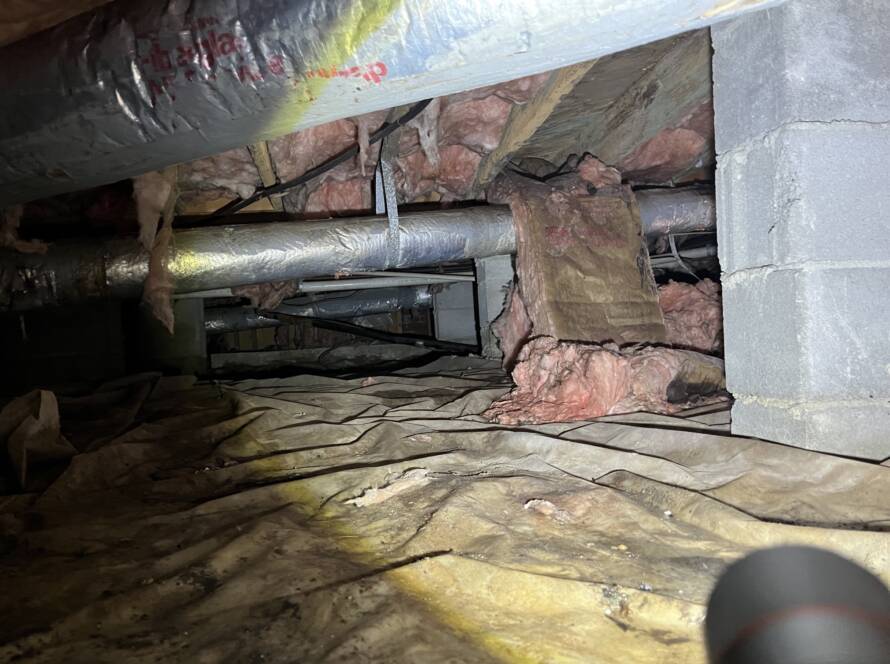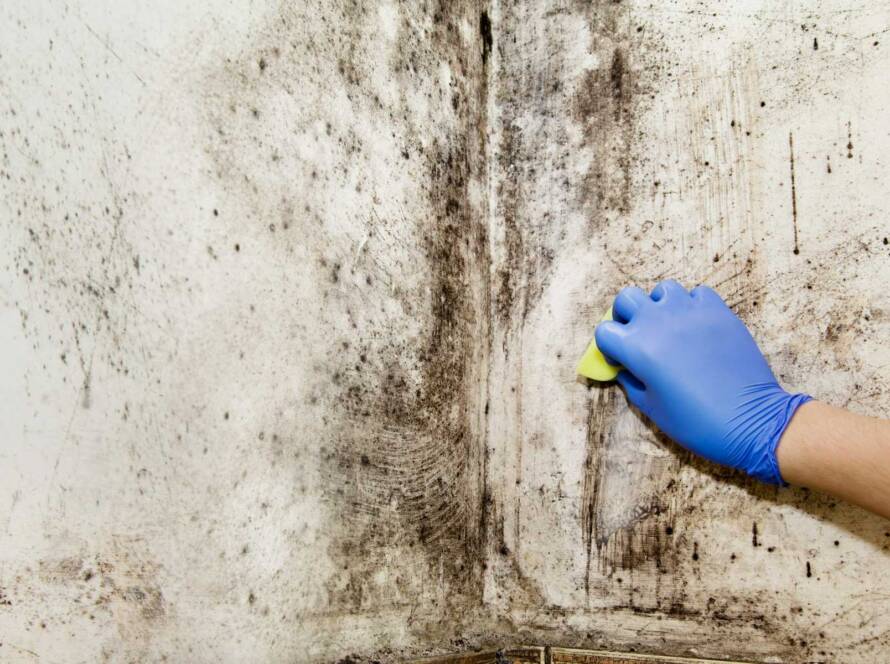

Mold in your air ducts isn’t just an HVAC issue—it’s a serious health and indoor air quality concern. Once mold finds its way into your ductwork, every time your air conditioning or heat turns on, those spores can be circulated throughout your home. If you’re experiencing persistent musty odors, allergic reactions, or poor air quality, it may be time to consider professional air duct mold remediation.
At BioSweep Southeast, we specialize in removing mold from air ducts and restoring clean, healthy airflow to your home or building. Below, we break down the critical steps involved in the professional remediation process and explain why fast action is key.
Why Mold Grows in Air Ducts
Mold thrives in dark, moist, and warm environments—making air ducts a common hiding place, especially in humid regions like the Southeast. Several conditions can contribute to mold development in ductwork, including:
- Excessive indoor humidity
- Clogged or improperly sloped drain pans
- Leaky or poorly insulated ductwork
- Standing water under evaporator coils
- Uncontrolled condensation due to blocked vents or poor airflow
Once mold establishes itself in your ducts, it doesn’t stay contained. The spores can circulate throughout your HVAC system, leading to widespread contamination and serious respiratory health risks.
Signs You May Have Mold in Your Air Ducts
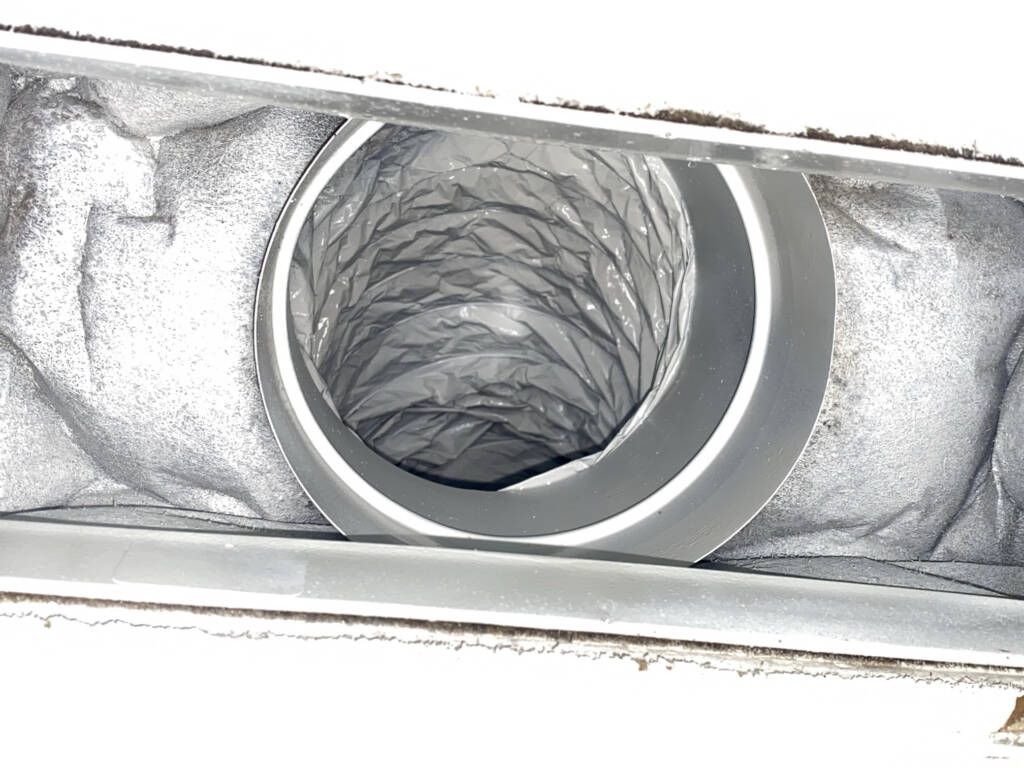
Not all mold growth is visible, but there are several warning signs homeowners should watch for:
- A persistent musty odor when the HVAC system is running
- Worsening allergy or asthma symptoms, especially indoors
- Black or white patches around air vents or inside duct openings
- Dust that smells damp or earthy
- A history of recent water damage or flooding in the HVAC system area
If you notice any of these signs, it’s time to schedule a professional mold inspection. At BioSweep Southeast, our mold remediation specialists use advanced diagnostics to confirm the presence of mold in air ducts and provide next steps.
Steps For Mold Removal in Air Ducts
Removing mold from air ducts requires a specialized approach. The process must address both visible growth and microscopic spores while ensuring the underlying conditions that allowed mold to thrive are corrected. Here’s how BioSweep Southeast approaches this service:
1. HVAC System Shutdown and Containment
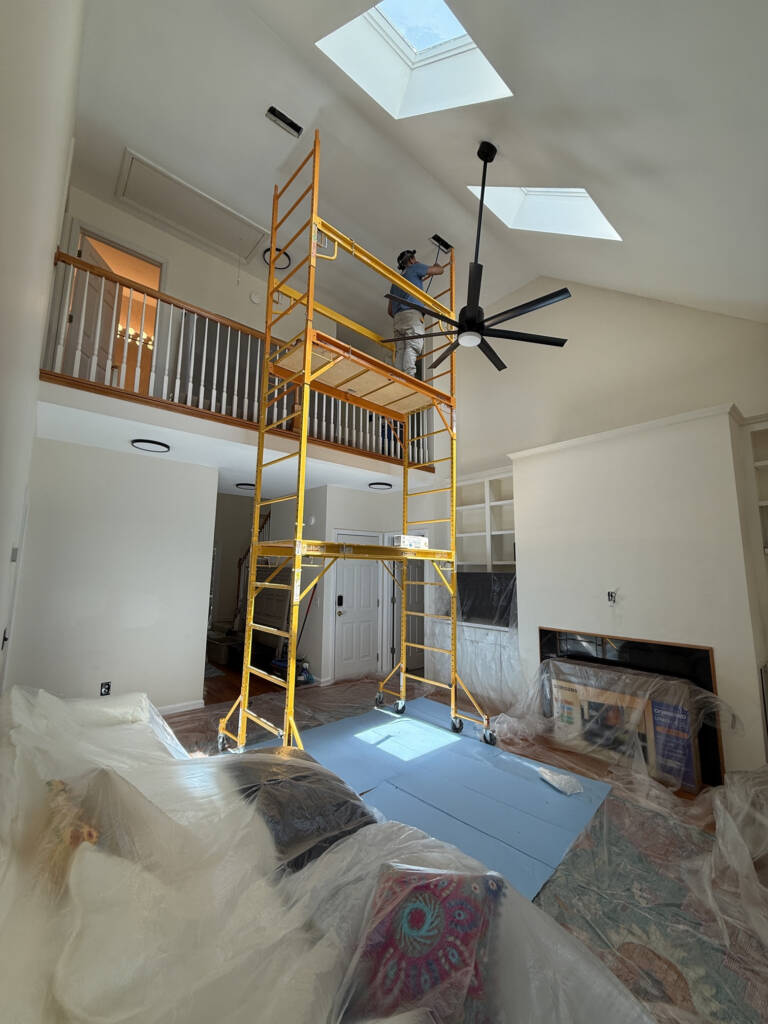
To prevent mold spores from spreading during cleaning, we begin by turning off your HVAC system and sealing off affected areas. Containment ensures that airborne mold particles are not dispersed throughout the home during the remediation process.
2. Inspection and Testing
We inspect both the accessible parts of the duct system and the interior of your HVAC components—including evaporator coils, drain pans, blower motors, and ductwork junctions. We may also work with certified indoor environmental professionals (IEPs) to perform lab-based mold testing, particularly if the contamination is widespread or recurring.
3. Mechanical Cleaning of Ducts
BioSweep uses specialized, industry approved mechanical cleaning tools to dislodge and remove mold and debris from inside the ductwork. This includes:
- Agitation devices like rotary brushes or compressed air whips
- High-efficiency particulate air (HEPA) vacuum systems to capture spores
- Cleaning and disinfection of vents, grilles, and diffusers
This step is essential for removing mold colonies and biofilms from the interior duct surfaces, especially in rigid sheet metal ducts.
4. Disinfection and Antimicrobial Treatment
After cleaning, we apply EPA-registered antimicrobial solutions to all affected surfaces. This treatment neutralizes any remaining mold spores and inhibits future growth. Products used are carefully selected based on duct material type and are safe for use in air handling systems.
It’s important to note that certain duct materials, such as internally lined fiberglass, may not be salvageable once contaminated. In those cases, BioSweep will recommend full duct replacement to ensure the system is safe.
5. Air Quality Restoration
As an added layer of protection, BioSweep may recommend installing a whole-home air purifier, such as a UV-C light system or bipolar ionization unit. These systems neutralize airborne pathogens—including mold spores, bacteria, and viruses—before they can circulate through your living space.
We also advise upgrading to a high-efficiency HVAC filter (MERV 11 or higher) to trap finer particles and prevent recontamination.
Can Mold in Air Ducts Make You Sick?
Yes. Exposure to mold in HVAC systems is known to cause a variety of health issues, particularly for those with allergies, asthma, or compromised immune systems. Common symptoms include:
- Coughing and sneezing
- Sinus congestion or chronic runny nose
- Skin irritation or rashes
- Eye irritation
- Fatigue or headaches
- Worsening respiratory conditions
Even if you don’t see visible mold, the presence of spores in the air can pose a silent, ongoing risk to everyone in the household. That’s why immediate professional intervention is essential if mold is suspected.
Preventing Mold in Air Ducts After Remediation
Mold removal is just one part of the solution. Preventing future growth requires correcting the conditions that allowed mold to flourish in the first place. After remediation, BioSweep Southeast provides guidance on long-term mold prevention, including:
- Routine HVAC inspections and filter changes
- Installing or maintaining dehumidifiers in high-humidity homes
- Ensuring drain pans are clean, sloped, and draining properly
- Sealing duct leaks to prevent condensation and water intrusion
- Clearing blockages in supply and return vents to improve airflow
- Upgrading attic or crawl space ventilation to stabilize building moisture levels
Our team may also recommend a preventative maintenance plan to monitor HVAC performance, moisture levels, and potential microbial issues over time.
Trust BioSweep Southeast for Air Duct Mold Remediation
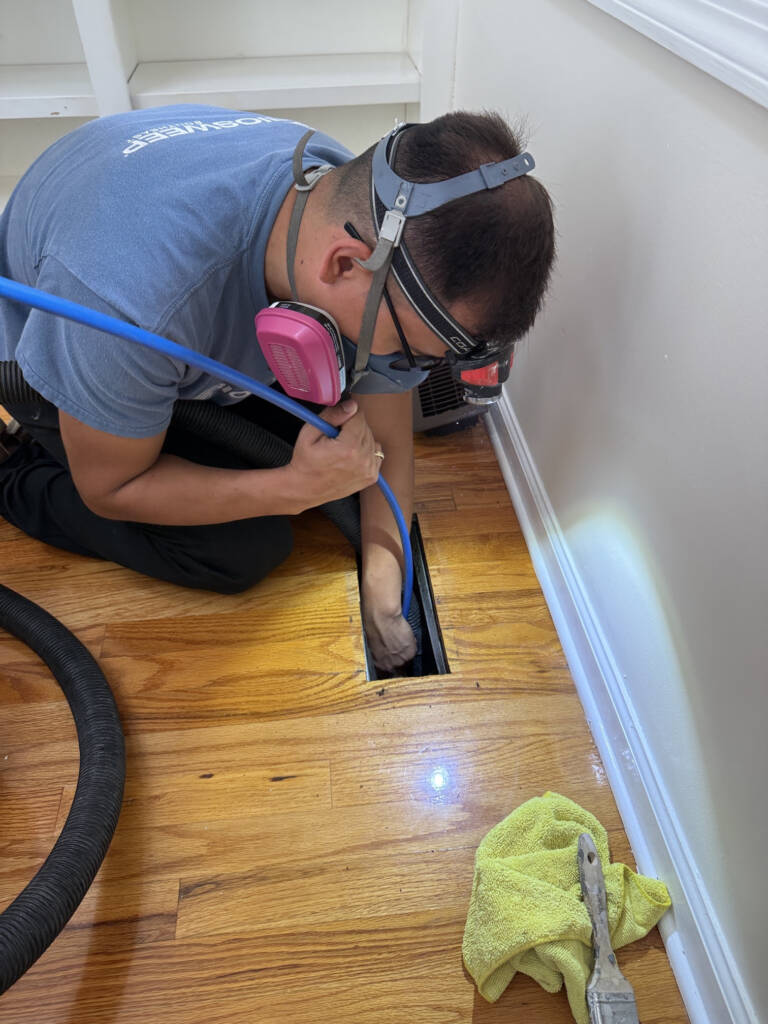
Removing mold from air ducts requires more than just surface cleaning—it demands deep system knowledge, certified techniques, and a commitment to long-term air quality.
At BioSweep Southeast, we don’t just eliminate the mold you see. We go beyond the visible symptoms to restore healthy indoor environments, using advanced remediation technologies like:
- APO (Advanced Photocatalytic Oxidation) for complete space disinfection
- HEPA-grade air scrubbing to capture airborne mold spores
- Specialized containment systems to protect the rest of your property
If you suspect mold is hiding in your ductwork, don’t ignore it. Call our team today to schedule an inspection and learn more about how we can help restore safe, breathable air to your home.