
Quick answer: Black mold inhalation symptoms develop from breathing in mold spores and mycotoxins that circulate through the air in homes with active mold growth. Inhalation is the primary route by which indoor mold affects your health. Symptoms often build gradually and are mistaken for persistent allergies or a recurring cold before the environmental source is identified. Repeated, sustained exposure in a home with active mold growth is a significant health concern, and those symptoms often point to an indoor environment problem that requires professional assessment.
If you are experiencing respiratory symptoms, fatigue, or a persistent allergy-like illness that does not resolve with standard treatment, this article will help you recognize the pattern and understand what to do about the underlying cause.
Why Inhalation Is the Primary Source of Black Mold Symptoms
Black mold inhalation symptoms occur when mold spores and the toxic compounds become airborne and are inhaled over time. In a home with active mold growth, those particles circulate continuously and are breathed in every time someone occupies the space. Unlike a single encounter with a mold-affected area, chronic indoor exposure means the body absorbs these compounds repeatedly over weeks and months, which is the exposure pattern most commonly linked to mold-related health concerns.
What Does “Black Mold Exposure” Actually Mean?

When people search for symptoms of black mold exposure, they are almost always describing what happens from living or working in a space with active indoor mold growth. Exposure occurs primarily through inhalation of mold spores, and mycotoxins become airborne and are inhaled over time.
One clarification worth making early: “black mold” is the common term people use for Stachybotrys chartarum, a specific species associated with water-damaged buildings. Mold color does not confirm species or toxicity. A mold that appears black may not be Stachybotrys chartarum, and molds of other colors can also produce harmful compounds. Accurate identification requires lab testing, not visual inspection.
What Are the Symptoms of Breathing In Black Mold?
Symptoms depend largely on how long exposure has been occurring and whether the person has underlying health conditions. Short-term exposure in a mold-affected space produces different symptoms than months of living with active mold growth in the home.
| Exposure Type | Primary Symptoms | Onset |
| Brief exposure (one-time visit to mold-affected space) | Nasal congestion, eye irritation, sneezing, mild throat irritation | Within hours; typically resolves after leaving |
| Chronic indoor mold exposure | Persistent coughing, wheezing, nasal congestion, sore throat, fatigue, headaches, skin rash | Gradual, worsening over weeks or months |
| High-risk individuals (either type) | Severe allergic reaction, difficulty breathing, asthma attack, fever | Variable; can be rapid |
Symptoms From Brief Inhalation Exposure
Spending time in a space with visible mold or a strong musty odor can produce immediate upper respiratory irritation, sneezing, a runny nose, watery eyes, and mild throat irritation. For most healthy adults without mold allergies, these symptoms subside once they leave the affected environment.
People with mold allergies or asthma can have more pronounced reactions even from a brief encounter: wheezing, chest tightness, and worsened asthma symptoms. For these individuals, even limited exposure in a heavily mold-affected space warrants medical attention.
Symptoms of Chronic Indoor Mold Exposure
Ongoing indoor mold exposure produces a broader symptom picture that builds gradually and is frequently mistaken for persistent allergies or a recurring cold. The CDC documents the following from sustained indoor mold exposure: stuffy nose, sore throat, coughing or wheezing, burning eyes, and skin rash. For people with asthma or existing mold allergies, these reactions can be significantly more severe, including worsened asthma attacks and chronic sinus inflammation.
What makes chronic indoor exposure particularly difficult to identify is the pace at which symptoms develop. The pattern builds slowly, including: a cough that started a few months ago, fatigue that has been increasing, and congestion that does not respond to standard allergy medication. By the time symptoms are noticeable enough to prompt concern, the mold growth driving them is often more extensive than a surface inspection suggests.
Who Is Most at Risk From Black Mold Exposure?
Children, elderly adults, immunocompromised individuals, and people with asthma or mold allergies face a greater health risk from indoor mold exposure. For these groups, the same exposure that causes mild symptoms in a healthy adult can trigger significantly more serious reactions.
Factors that increase risk include:
- Mold allergies: immune response activates even at lower exposure levels
- Asthma: Mold exposure can trigger and worsen asthma attacks
- Compromised immune system: including those undergoing chemotherapy, living with HIV/AIDS, or taking immunosuppressant medications
- Chronic lung conditions, such as COPD, which reduce respiratory resilience to airborne irritants
- Infants and young children, whose immune and respiratory systems are still developing
How Serious Is Black Mold Exposure for Most People?
For most healthy adults, brief or limited exposure to mold is unlikely to cause serious illness. The Cleveland Clinic states directly that for most people, black mold will not make you very sick. Spending limited time in a mold-affected space typically does not cause lasting harm in people without underlying health conditions.
The risk equation changes with chronic exposure. Research published by the National Institutes of Health found that mycotoxins, toxic compounds produced by certain mold species, can alter intestinal barrier function and disrupt the balance of gut microbiota over time, enabling harmful bacteria to take hold. This is not the result of a single exposure event. It reflects what repeated, sustained inhalation of mycotoxin-producing mold does to the body over weeks and months.
The distinction matters because it changes what the appropriate response is. A brief, one-time encounter warrants monitoring. A persistent indoor mold source warrants investigation and remediation.
When Should You See a Doctor After Black Mold Exposure?
See a doctor if you experience difficulty breathing, persistent coughing or wheezing, fever, chest tightness, or signs of an allergic reaction, such as swelling, hives, or worsened asthma, after mold exposure. These symptoms indicate a response the body cannot resolve on its own.
For ongoing indoor mold exposure, seek medical evaluation if respiratory symptoms, fatigue, or headaches persist beyond a few weeks without another identifiable cause, particularly if multiple people in the same household share similar complaints.
BioSweep Southeast is not a medical provider. If you are experiencing health symptoms, your first call should be to a physician. The call we can answer is what is happening in your home environment and what it takes to fix it.
How Do You Know If Indoor Mold Is Making You Sick?
The clearest indicator is a pattern. Symptoms that improve when you spend time away from home and return when you come back, or symptoms shared by multiple people in the same household, strongly suggest the indoor environment is the source rather than an unrelated illness.
Other signals worth taking seriously:
- A persistent musty odor in one or more rooms, even after cleaning
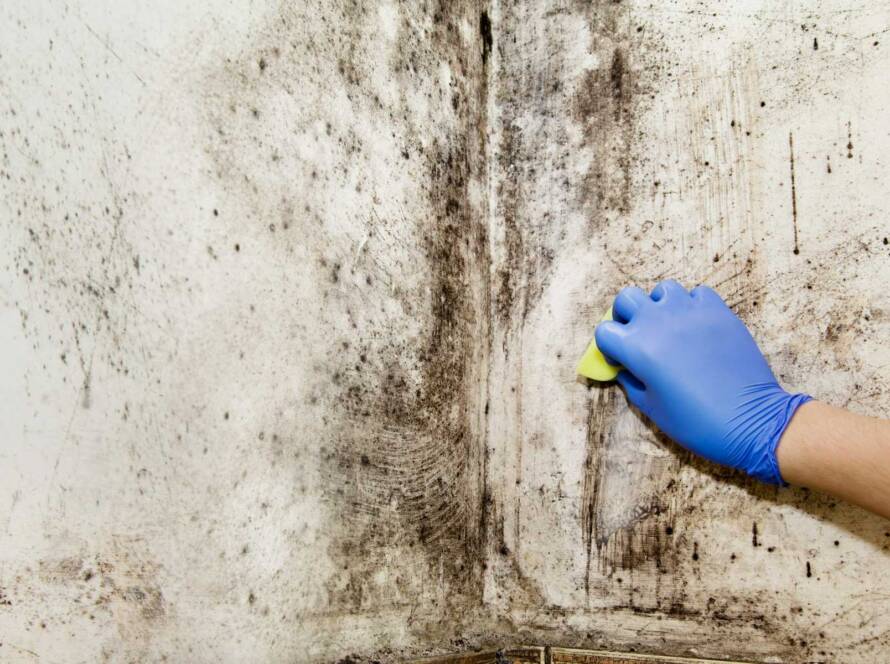
- Visible mold growth or water staining on walls, ceilings, or around windows
- Symptoms that worsen in specific rooms or areas of the home
- Respiratory symptoms that do not respond to standard allergy or cold treatment
- A history of water damage, flooding, or slow leaks anywhere in the home
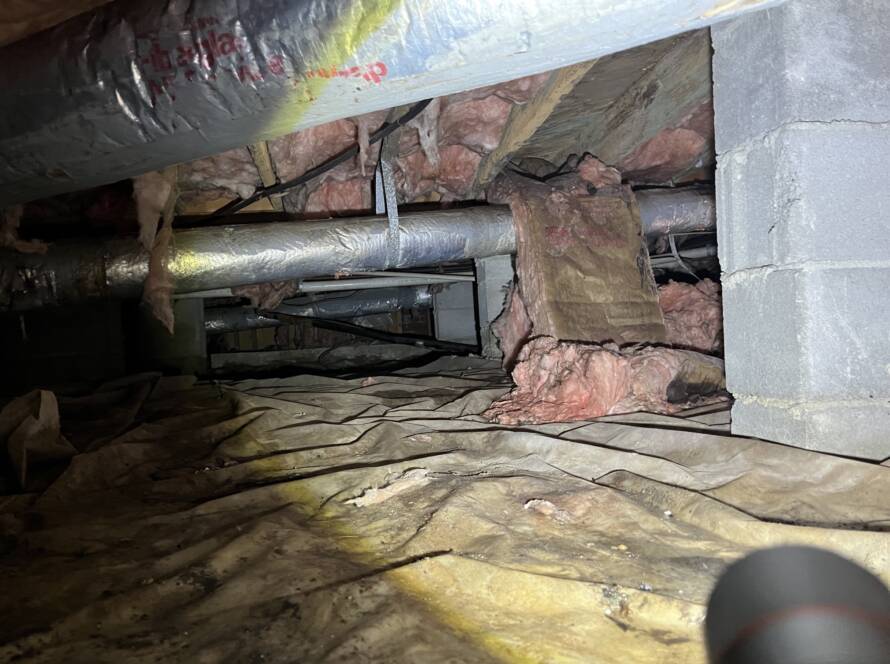
In the South Carolina Lowcountry, indoor mold is particularly common in crawlspaces, bathrooms, and rooms near exterior walls where coastal humidity infiltrates the building envelope. Charleston’s climate creates conditions where mold can establish and grow for months before becoming visible or producing a strong enough odor to prompt concern. By the time symptoms appear, the growth is often more extensive than a surface inspection suggests.
If you are noticing signs of mold spread beyond one area of your home, our article on green mold remediation covers how different mold species behave and why early professional intervention matters in coastal climates.
What Should You Do If You Suspect Black Mold in Your Home?
Contact a professional for an on-site assessment to identify the moisture source, evaluate the extent of mold growth, and test indoor air quality. That is the environmental parallel to seeking medical care for symptoms: addressing the source, not just managing the reaction.
At BioSweep Southeast, a free on-site assessment starts with a full evaluation of your indoor environment. We identify where moisture is entering and accumulating, assess how far mold growth has extended beyond what is visible, and provide a written picture of what we found before any remediation begins.
For mold remediation, we follow IICRC S520 standards, the Institute of Inspection, Cleaning, and Restoration Certification’s established protocol for professional mold remediation. That means the physical removal of mold from affected materials, proper containment, HEPA filtration, and post-remediation air-quality verification. Our article on testing air quality after mold remediation explains what clearance testing involves and what the results mean for your family.
For odors that have become embedded in the space even after visible mold is removed, our BIOSWEEP® Multi-Phase Oxidation Treatment System eliminates odor-causing compounds at the molecular level on treated surfaces, without harsh chemicals or residue. We back every odor treatment with our Odor-Free Guarantee: if the smell returns, so do we.
Addressing the mold in your home does not replace a conversation with your doctor about symptoms. It eliminates the source driving the exposure, which ends the cycle.
Frequently Asked Questions
What are the first signs of black mold exposure?
The most common early signs are nasal congestion, coughing, eye irritation, and skin rash. People with asthma or mold allergies may experience wheezing or more pronounced respiratory symptoms early on. Symptoms from chronic indoor mold exposure often develop gradually and are frequently mistaken for persistent allergies before the environmental source is identified.
Can you get sick from smelling black mold?
Yes. Inhalation is the primary route of exposure to indoor mold. Breathing in mold spores can cause upper respiratory symptoms, coughing, wheezing, and allergic reactions. The CDC links sustained indoor mold exposure to respiratory illness in otherwise healthy people and to worsened asthma in those with the condition.
How long does it take to get sick from black mold?
It depends on the exposure. Brief contact with a mold-affected space may cause immediate upper respiratory irritation that resolves once you leave. Symptoms from chronic indoor mold exposure develop gradually over weeks or months and are frequently mistaken for persistent allergies or recurring illness before the environmental source is identified.
What does black mold exposure feel like?
Commonly reported symptoms include persistent fatigue, respiratory irritation, nasal congestion, headaches, and worsening allergy-like symptoms. People with asthma often notice their condition becoming harder to control. If you are not sure whether your home is the source, a free on-site assessment from BioSweep Southeast will tell you what is actually there.
Can black mold exposure cause long-term health problems?
Chronic, repeated exposure to indoor mold has been linked to sustained respiratory symptoms. Serious long-term complications are more likely in immunocompromised individuals, children, and people with pre-existing respiratory conditions. For most healthy adults, health effects resolve once the source of the mold is identified and remediated.
How do I test my home for black mold?
Professional air quality testing is the most reliable method. Visual inspection identifies surface mold, but mold growing inside walls, under flooring, or in crawlspaces requires professional assessment tools. BioSweep Southeast provides free on-site assessments with written findings for homeowners in the Charleston area and the surrounding Lowcountry.
Why Lowcountry Homeowners Choose BioSweep Southeast
If your symptoms are pointing you toward home, the next step is to find out what is actually there.
BioSweep Southeast has served Charleston, Mount Pleasant, Summerville, Goose Creek, and the South Carolina Lowcountry since 2009. As an IICRC Certified Firm with A+ BBB accreditation and EPA certification, we bring third-party verified credentials to every assessment. When you call us, you speak with the people doing the work.
Our assessments go beyond the visible. We trace moisture sources, evaluate air quality, and provide a complete written report of our findings before any remediation begins. Whether the mold is in a crawlspace, behind a wall, or moving through your HVAC system, we find it, document it, and resolve it.
Mold in your home is an environmental problem with a health consequence. We handle the environmental side. One call, one team, from assessment through restoration.
Call us at 843-375-6627 or schedule your on-site assessment.